VW Jetta Timing Chain: Symptoms, Diagnosis, and Replacement
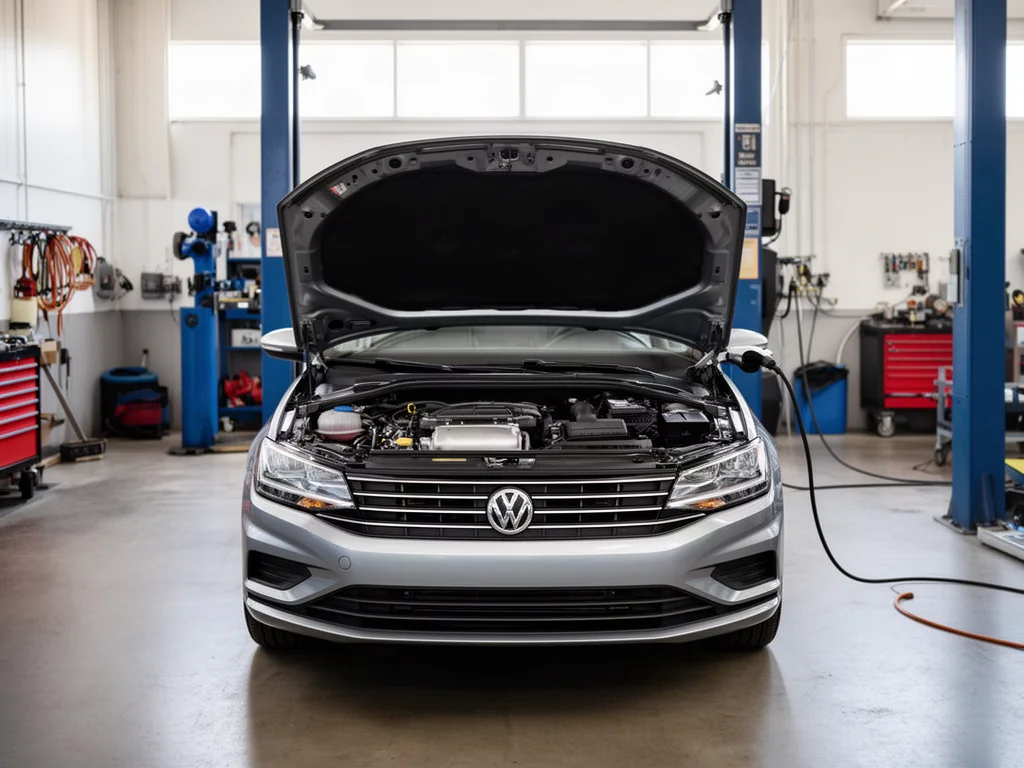
A Volkswagen Jetta timing chain keeps camshaft timing aligned with the crankshaft so valves and pistons stay in the intended relationship. Whether a given Jetta uses a chain depends on year and engine, not the nameplate alone. Confirming the hardware first, then interpreting startup noise, scan data, and a replacement estimate against that engine, is the practical way to decide whether chain work is actually warranted.
Confirm Your Jetta’s Engine and Timing Setup
Timing hardware on a Jetta follows the engine, not the nameplate. Two cars of similar age can use a chain, a belt, or different cam drive layouts. Confirm the model year, the engine code stamped or labeled on the vehicle, the market the car was sold in, and VIN-linked service information before treating chain wear as the default diagnosis. With that information, a shop can match camshaft drive parts and procedures to the engine actually in the car.
Ask a qualified shop or check the owner's documentation to verify the timing setup before requesting a chain job. Once the engine is identified as chain-driven, replacement guidance should stay focused on that configuration rather than generic Jetta advice. Skipping the engine code on a VW Jetta timing chain job can send owners toward the wrong parts and the wrong labor plan. Shops use the VIN to pull the correct procedure, because camshaft timing hardware, tensioners, and guides differ across Jetta engines.
Symptoms That Warrant a Timing Chain Assessment
A cold-start rattle, a metallic noise that continues after the engine warms, rough running, hard starting, or a warning light can all justify a timing chain inspection on a chain-equipped Jetta. Those clues matter because a stretched chain, a weak timing chain tensioner, or worn timing chain guides can change the relationship between crank and cams. They do not, however, prove the chain has failed. Similar noises and drivability complaints can come from oil-pressure problems, accessory components, ignition faults, or sensor issues unrelated to the cam drive.
Write down when the noise or misfire appears, how long it lasts, and whether a recent oil service or engine repair preceded it. Note oil specification and level if they are known, because chain tensioners often rely on oil pressure, but do not race the engine or recreate a loud knock on purpose. If the engine produces severe mechanical noise, an oil-pressure warning, or a sudden loss of power, stop in a safe place and arrange a tow. Continuing to drive then can turn a timing concern into broader internal damage.
How a Shop Investigates Suspected Chain Trouble
A shop investigating a VW Jetta timing chain complaint starts with the owner's notes, oil-change history, and a scan of stored and pending faults. Those results are only a starting point. Manufacturer-dependent codes must be confirmed against the exact vehicle and engine before anyone treats them as a chain failure. A correlation or camshaft timing code can point toward the cam drive, a sensor, oil supply, or another control issue. The code is evidence to interpret, not proof that a chain, tensioner, or guide has failed.
From there, technicians follow engine-specific inspection procedures rather than a generic Jetta checklist. They look at oil pressure and oil condition because hydraulic tensioners need adequate supply to keep the chain taut. Where the procedure calls for it, they check crankshaft correlation against camshaft timing and inspect mechanical timing without jumping to parts replacement. That assessment can include listening for chain rattle, reviewing live data, and examining accessible timing components. Any further opening of the engine belongs in a shop with the correct tools and the published method for that engine.
What Timing Chain Replacement May Include
Once the engine configuration is confirmed as chain-driven, replacement is not a single fixed kit for every Volkswagen Jetta. The written repair plan follows the confirmed fault and the service procedure for that engine code. A shop may evaluate the chain, timing chain tensioner, timing chain guides, related seals, and the fasteners the procedure specifies as single-use. Some jobs stop at those cam-drive parts. Others expand if inspection shows the chain jumped or the engine lost camshaft timing, because pistons and valves may have made contact.
If timing was lost, the shop should assess for bent valves, piston damage, or other internal injury before a replacement estimate is treated as final. That extra inspection is not padding; it determines whether a chain job restores the engine or whether further repair is required. Timing work also depends on specialized locking and measuring equipment and on following the published assembly sequence for that engine. After the parts are fitted, professional verification of camshaft timing and crankshaft correlation is what confirms the engine is back in the intended relationship.
Understanding a Jetta Timing Chain Estimate
A Jetta timing chain replacement estimate depends on the engine layout, access to the cam drive, diagnostic time already spent, and damage found once covers are off. Access is not the same on every Jetta engine, so labor hours cannot be borrowed from a different powerplant. Request an itemized scope that lists parts, labor, the fluids the procedure calls for, and any extra inspections still pending. That breakdown makes it possible to compare shops on the same job rather than on a single headline number.
Ask the shop to identify the evidence that supports replacing the chain rather than another component, and to mark which extra repairs need your authorization if more damage appears. Useful questions include how parts are specified for this engine code, what workmanship coverage applies to the timing job, and what happens if further internal damage is found after work starts. Those answers keep the estimate honest. A vague quote that bundles diagnosis, chain, tensioner, and unknown engine work into one figure is harder to judge than a staged plan with stop points.
Maintenance and Checks After the Repair
After timing chain work on a VW Jetta, the shop should explain how it confirmed engine operation, checked for leaks, and cleared or rechecked relevant diagnostic faults. That conversation is part of the job, not a courtesy. Keep the diagnostic findings, the itemized invoice, and the recorded mileage with the vehicle file. Those documents show what was actually replaced, what codes were present, and at what mileage the work was done, which matters if a later noise or warning light appears and another shop needs the history.
Chain tension and guide life depend on oil quality and oil pressure, so use the oil specification and change interval published for that exact engine. A universal timing chain replacement interval does not apply across every Jetta. Some engines have documented inspection guidance; others are assessed only when symptoms or findings appear. Future service should follow the vehicle-specific maintenance schedule and the inspection notes from this repair rather than a one-size-fits-all mileage figure copied from another Volkswagen Jetta timing chain discussion.