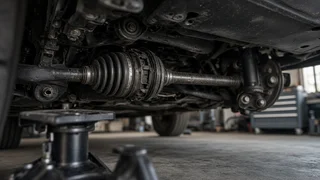
VW inner CV joint rebuild
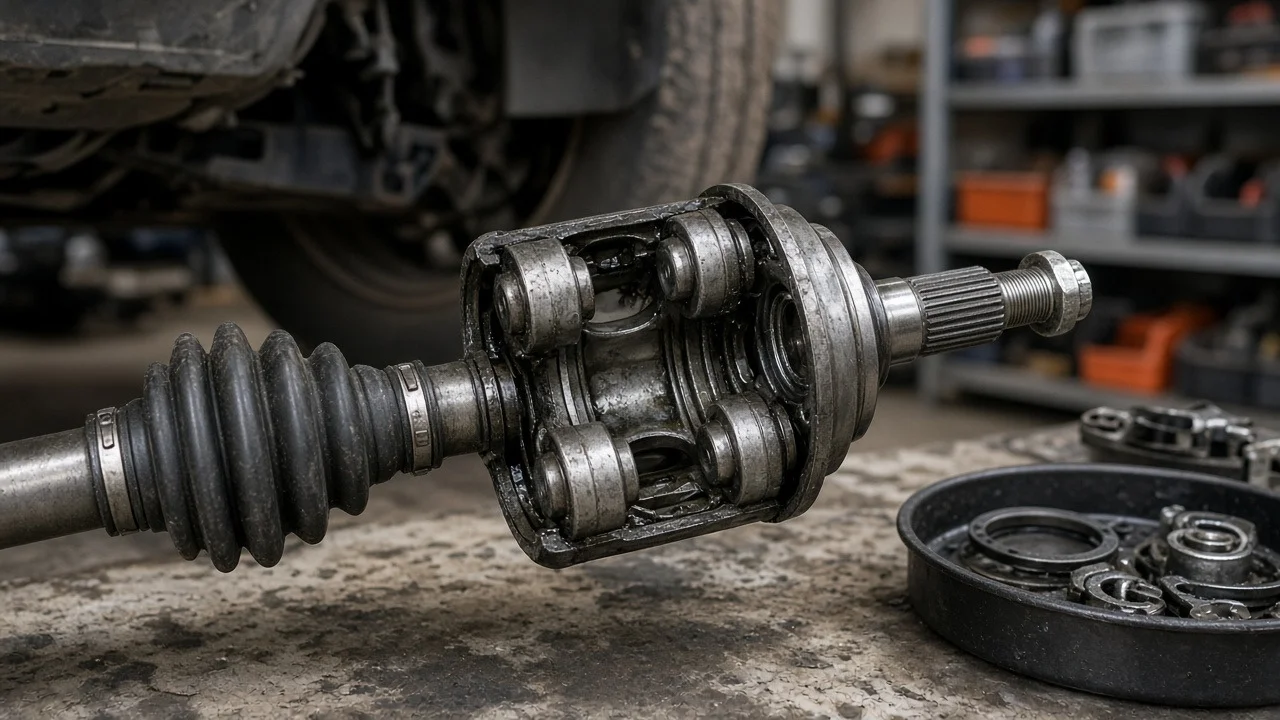
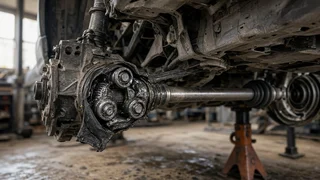
A clicking or rumbling Volkswagen axle often points past the outer boot to a less visible wear point: the inner CV joint. A vw inner cv joint rebuild restores the plunge joint that keeps torque flowing while the suspension and drivetrain move through travel. On front-drive and many AWD transverse VWs, this inboard joint absorbs angular and axial input near the transmission flange. Understanding its wear pattern helps a home mechanic judge whether regreasing and installing a fresh protective boot and cage is enough, or whether damaged races demand axle shaft replacement.
Essential answer
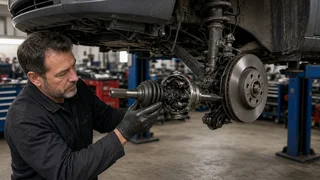
A vw inner cv joint rebuild usually means disassembling the inboard constant velocity joint, cleaning its hardened steel components, replacing the protective boot and grease, and reassembling it on the same axle shaft. The inner joint is designed as a plunge-type mechanism that allows the halfshaft to change effective length as the control arms move through their arc. Unlike the outer fixed joint, which primarily handles steering articulation, the inner unit must accommodate suspension compression and droop while continuing to transmit drivetrain loading without binding.
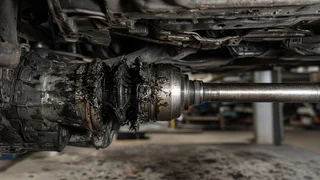
The direct answer is that a rebuild is a practical option when wear is limited to degraded grease, a split boot, or minor polished contact marks on the cage and race. If the inner joint exhibits deep pitting, galling, or excessive axial looseness on the spline fit or retaining clip area, the hardened surfaces may be beyond practical refurbishment. In that case, replacing the complete axle assembly can be more reliable than trying to restore a joint that has already lost its engineered clearances.