VW Golf R32 Wheel Offset
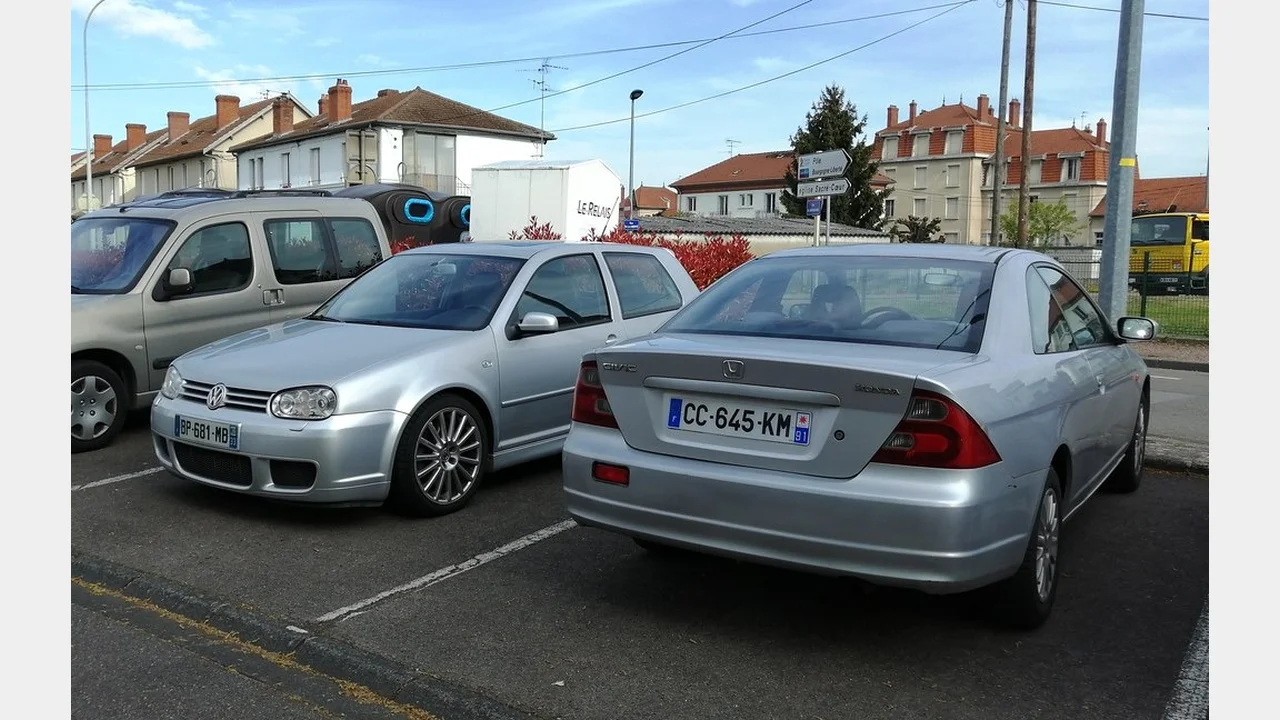
Wheel offset on a Golf R32 shapes more than appearance; it changes steering feel, clearance, and suspension loading. Offset describes where the wheel mounting face sits relative to the rim centerline, so even a small change shifts the tire package inward or outward. For an R32 owner researching a replacement or wider setup, understanding this value helps avoid fender contact, brake interference, and altered scrub radius. The correct measurement depends on rim width, rim diameter, and the intended tire compatibility for the specific platform.
Essential answer
The Golf R32 wheel offset is best understood as a range that keeps the aftermarket or factory wheel positioned correctly within the arch. Offset is usually expressed as a positive ET number in millimeters, meaning the hub mounting surface sits toward the outside face of the wheel. Without a confirmed factory stamp, a useful reference is that many original-equipment R32 wheels use a moderately high positive offset near the middle of the expected front-drive platform range. The exact figure should be confirmed from the back of an original wheel or a reliable fitment reference.
Offset cannot be evaluated alone because it interacts with rim width and tire section width. A wheel with more positive offset moves the tire inward, potentially reducing strut and suspension clearance. A lower positive offset pushes the package outward, increasing fender clearance concerns. On the R32, those limits matter more than on a standard Golf because the larger brakes and specific arches leave less room for error. Matching bolt pattern and hub dimensions remains equally important, but offset determines where the added width sits relative to the suspension and body.