VW Golf Mk1 inner CV joint
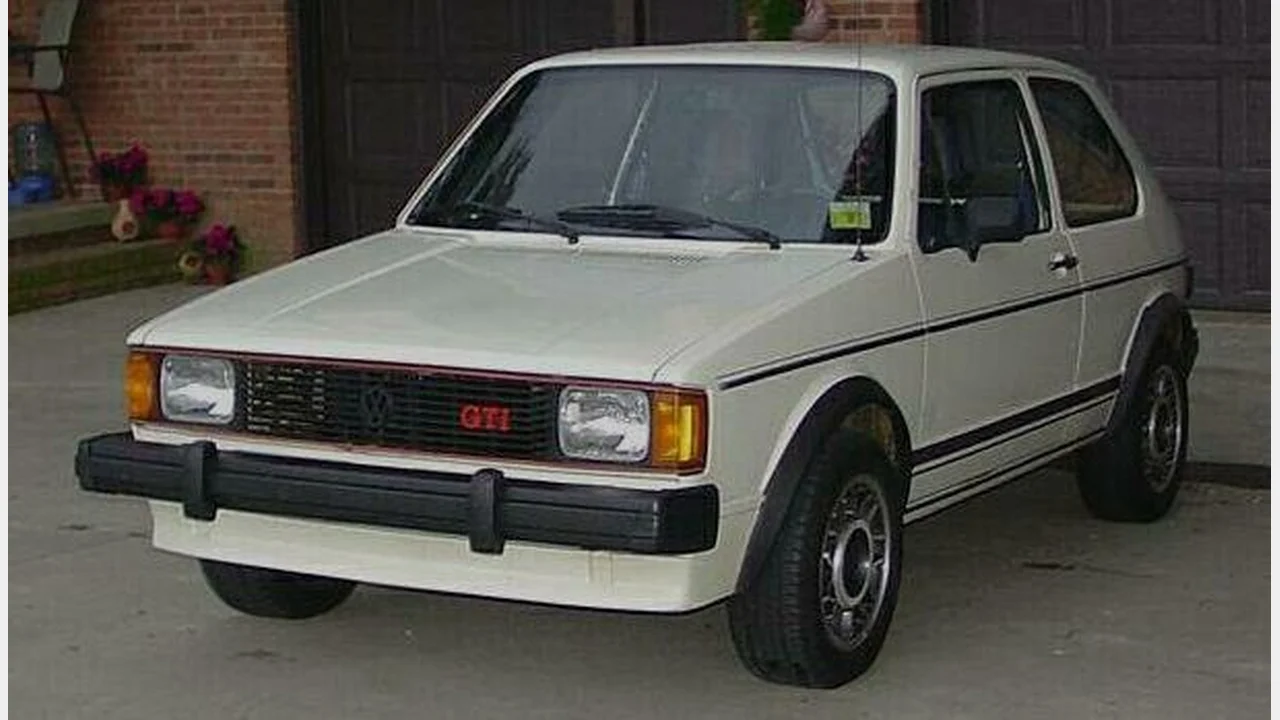
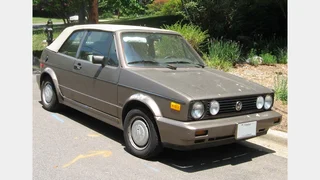
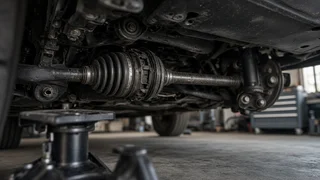
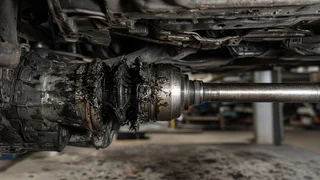
A failing inner CV joint on a first-generation VW Golf usually shows up as a shudder under acceleration, a rhythmic click while turning at low speed, or grease slung inside the wheel arch. Because the Mk1 platform spans several model years, trim levels, and powertrain configurations, the correct replacement part depends on confirming the transmission style, flange size, and axle length before you buy. The following guidance explains how to interpret those symptoms and match the joint to your specific market specification and body style without guessing.
The direct answer
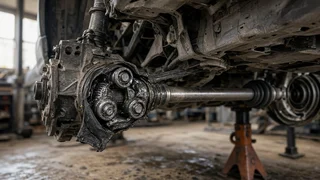
The answer to which inner CV joint fits your VW Golf Mk1 is not one universal part number. The correct unit is determined by the axle assembly, transmission flange, and engine package in your specific model year and trim. Inboard joints differ from the outer units and are typically a tripod or ball-type design mounted to the transaxle. Before ordering, identify whether your car uses a manual or automatic gearbox and whether the drive flange uses a 90mm or 100mm bolt circle. A mismatch here can bolt up loosely, leak grease, or bind under suspension travel even when the axle length appears close.
What materially changes the answer is whether the car has been modified or had axles replaced with aftermarket assemblies. Many remanufactured shafts combine a service joint with a slightly different spline count or snap-ring groove depth. For a stock model generation, the inner joint should be matched to the original axle bar, not just the engine size. Body style and market specification rarely change the inboard joint itself, but they do affect axle length. If you are replacing only the joint, measure the spline diameter, count the teeth, and compare the retaining method before purchasing a bare joint or boot kit.