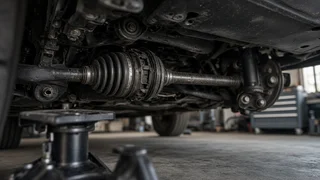
Volvo V70 inner CV joint
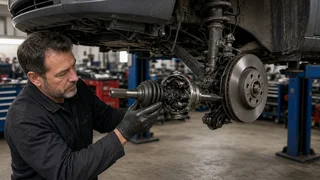
A worn or incorrect Volvo V70 inner CV joint can turn a smooth wagon into a source of vibration, clicking, and grease-splattered suspension parts. The V70's front-wheel-drive and all-wheel-drive layouts place different loads on the inner joint, and model generation, trim, and powertrain configuration affect what fits your axle assembly. Before buying a replacement, the practical question is not just which part number appears in a catalog, but whether the joint matches the shaft diameter, bolt pattern, and transmission or angle-gear connection for your car. Understanding how the inner joint behaves helps you spot a failing unit and choose a serviceable replacement without overspending on a complete shaft when only the joint is needed.
The direct answer
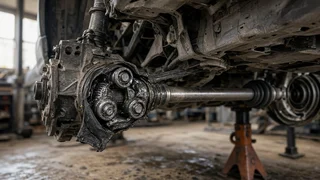
The immediate answer is to verify the inner CV joint by the Volvo V70's build configuration instead of assuming all V70 axles are interchangeable. Front-drive models use an inner tripod or plunging joint that accommodates suspension travel and engine movement, while all-wheel-drive versions route power through an angle gear and add packaging differences at the inboard end. A replacement must match the shaft spline, sealing surface, and bolt circle or circlip retention used on that side. When a catalog listing is vague, confirming the model year, engine, gearbox, and whether the car is FWD or AWD materially changes the correct choice and prevents ordering a joint that cannot seat properly.
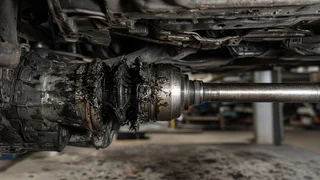
If the current joint is just noisy or leaking but the axle shaft, cage, and housing are intact, a replacement inner joint may be a workable commercial repair. Pay attention to whether the boot is split or grease has been thrown outward, because contamination accelerates wear quickly. The inner joint is not proved failed by a fault code alone; a code related to wheel speed or driveline behavior should be read as evidence to interpret. A clicking sound on acceleration that varies with steering angle, by contrast, usually points to the outer joint, while a shudder or clunk under load with straight-line driving often implicates the inboard joint or its support bearing.