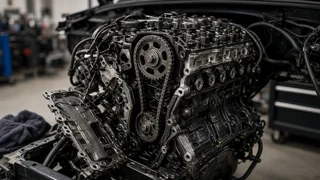
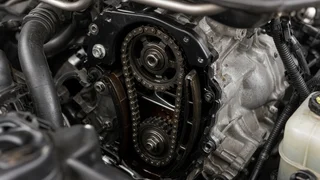
Volvo 3.0 T6 timing chain

The Volvo 3.0 T6 engine has raised a specific ownership question: how its timing chain behaves and when attention is warranted. This turbocharged inline-six is known for compact, transverse packaging, and its timing chain works differently from a rubber belt. Understanding the chain's role, related engine configuration, and typical symptom conditions helps owners separate normal operation from signs that inspection is needed. The discussion below explains the essential answer, what the chain does, and why service history and diagnostic codes matter when evaluating this engine.
Essential answer
The Volvo 3.0 T6 uses a timing chain rather than a timing belt. In principle, a chain is designed for long service life and does not have a scheduled replacement interval in the way many belts do. However, that does not mean the chain is immune to wear. Chain stretch, guide wear, tensioner degradation, or oil-related faults can affect operation. The essential answer is that the timing chain is a durable internal component, but its condition must be judged from symptoms, inspection, and service history rather than assumed to be problem-free.
Owners researching this engine should focus on how the chain is controlled and lubricated. The chain runs inside the engine and depends on clean oil at the correct level. A history of infrequent oil changes or low oil pressure can influence wear. Because manufacturer-dependent diagnostic codes may appear with timing-related faults, a stored code is not proof that the chain itself has failed. Confirming the actual source requires checking the engine configuration and related timing components. That qualification materially changes how a timing chain question should be answered.