Volkswagen PCV Valve Replacement: Jetta, Tiguan, Passat and PCV Regulators
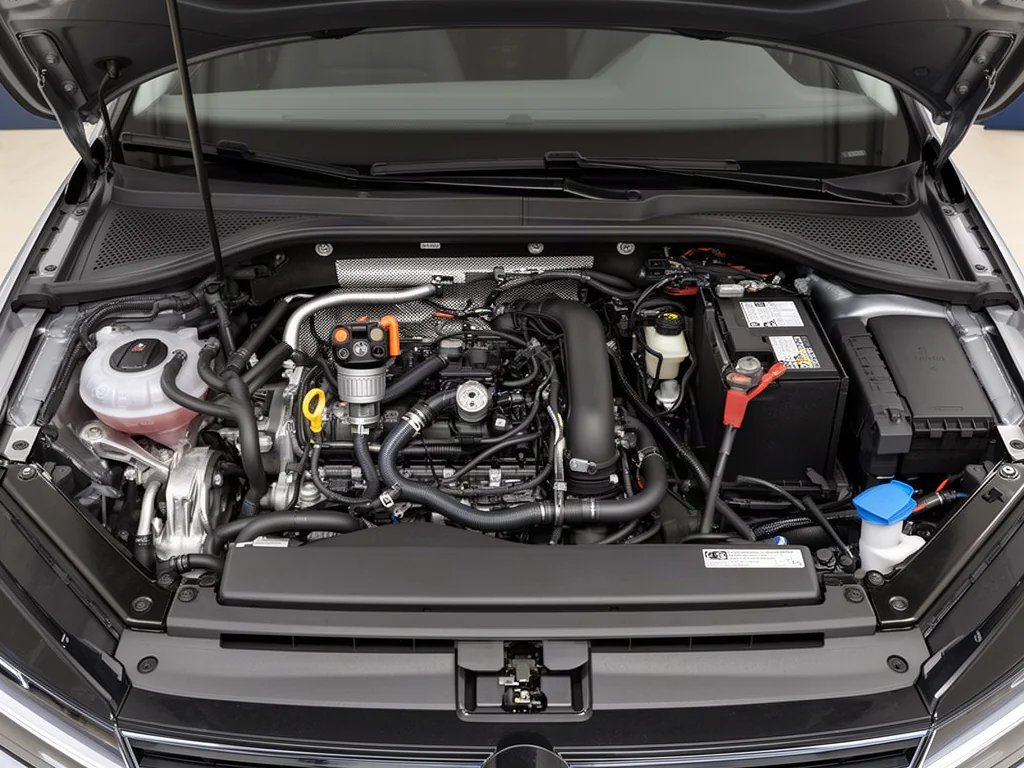
A Volkswagen PCV valve is the pressure-control piece of positive crankcase ventilation, not a generic one-size part. On Jetta, Tiguan, and Passat engines it may appear as a regulator, oil separator, or larger PCV assembly with breather hoses. Year, engine code, and VIN decide which VW PCV valve is installed and which service information applies. Fitment, symptoms, and replacement planning all follow from that identification, not from the model name alone.
How the Volkswagen PCV Pressure Regulator Works
Positive crankcase ventilation on a Volkswagen engine routes blow-by gases from the crankcase into the intake so they can be burned rather than vented to the atmosphere. The PCV valve, often a pressure regulator on VW engines, meters that flow so crankcase pressure stays in a controlled range. Excess pressure can push oil past seals; excess vacuum can pull oil into the intake. The regulator's job is that balance, not simply opening a hose.
A typical Volkswagen PCV assembly combines a pressure regulator diaphragm, an oil separator that knocks liquid oil out of the vapor stream, and breather hoses connecting the crankcase, separator, and intake. That layout changes with engine family, so a part sold as a PCV valve may be a larger regulator or separator housing. Locating the correct assembly starts with model year, engine code, and VIN, then matching service information. Visual similarity across engines is not enough.
PCV Symptoms and What Regulator Performance Messages Mean
A failing Volkswagen PCV valve can contribute to a whistle, a rough idle, oil seepage around seals, vacuum leaks at cracked hoses, or rising oil consumption, but none of those signs prove the regulator failed. Other intake, ignition, and sealing problems produce the same behavior. Scan wording such as PCV regulator valve performance is a hint, not a completed diagnosis. Obtain the exact code, confirm its engine-specific meaning, and treat it as evidence to interpret rather than proof the PCV assembly is bad.
Safe first steps are to note when the noise or idle change appears, check oil level using the owner's manual procedure, and look for wet leaks only with the engine off and cool. Do not diagnose from oil-cap suction; that check is easy to misread and does not measure crankcase pressure. Persistent symptoms call for crankcase pressure measurement, leak testing, and scan-data review. Oil-pressure warnings, severe running problems, or substantial smoke are reasons to stop driving safely and arrange assessment.
Tiguan PCV Fitment and Replacement Planning by Model Year
Owners of a 2016, 2018, 2019, 2021, or 2022 VW Tiguan still need the installed engine and market before a PCV valve location or fitment can be named. For a 2021 Volkswagen Tiguan PCV valve, collect the VIN, engine code, current symptoms, and any stored diagnostic findings. Those four items, not the Tiguan badge alone, decide whether the regulator is serviced separately or as part of an oil-separator assembly.
Engine-specific service information shows whether Volkswagen Tiguan PCV valve replacement is a regulator-only job or a larger PCV assembly with attached hoses. Plan the work only after the fault is confirmed, the part is verified for that VIN, connected breather hoses are inspected, and required seals are listed. After installation, check for fresh leaks, idle quality, and whether the original complaint returns. Replacing a VW Tiguan PCV valve does not automatically cure every oil-consumption complaint, because rings, turbo seals, or other paths can also burn oil.
Jetta PCV Identification and Replacement Scope
The Jetta name does not select a Volkswagen Jetta PCV valve. Confirm model year, engine, and VIN before ordering, because a VW Jetta PCV valve can be a different regulator or separator from one generation to the next. Engine-specific information also sets location and which pieces are serviceable. Until that confirmation exists, Volkswagen Jetta PCV valve replacement scope remains undefined: some engines allow a regulator-only change, while others require the full PCV assembly.
Inspection of breather hoses, fittings, and seals decides what VW Jetta PCV valve replacement needs to include. Hardened hose, a cracked connector, or a missing seal can recreate vacuum leaks even after a new regulator is installed. A completed repair should document the installed part identification, findings on the old assembly and hoses, and verification of the original complaint. That record matters if oil consumption or a whistle returns and later diagnosis has to start from documented facts.
Passat PCV Replacement and 2.0T Engine Identification
VW Passat PCV valve replacement on a 2.0T engine still starts with the exact engine code and the service information written for that code, not the 2.0T marketing label. For a 2015 VW Passat PCV valve question, confirm the engine actually installed; not every 2015 Passat uses the same engine, and assuming a 2.0T orders the wrong PCV assembly. The verified engine then sets regulator or separator design, access path, and which seals belong in the repair.
Access on some Passat engines may require intake or cover work that a catalog photo does not show, so labor planning should follow the verified procedure rather than a generic PCV swap. If oil leaks or running symptoms remain after the new assembly is in place, treat that as a reason for further diagnosis. Persistent consumption, smoke, or a returning whistle can point to remaining vacuum leaks, a damaged hose, or an unrelated sealing problem the Passat PCV change never addressed.
What a Volkswagen PCV Replacement Should Include
Volkswagen PCV valve replacement on a Jetta, Tiguan, or Passat follows a planning sequence: confirm the fault, verify the replacement PCV assembly against VIN and engine code, inspect related breather hoses and seals, then validate idle and leak-free operation. Part revisions are common, so visual resemblance to the old housing is not a fitment check. Use vehicle-specific parts information for the VW PCV valve, including supersessions, so the installed regulator matches that engine rather than a nearby catalog image.
Access, brittle hoses, and required seals often expand the job beyond the regulator itself. A hose that cracks during removal or a gasket that cannot be reused belongs in the scope discussion before work starts, without turning the plan into a running-engine test or a teardown guide. The technician should follow the applicable installation procedure for that engine and reassess remaining symptoms before calling VW PCV valve replacement complete. Leftover whistle, smoke, or oil use means the original complaint is still open.
What Determines Tiguan PCV Replacement Cost
VW Tiguan PCV valve replacement cost is not a single catalog figure. An honest estimate splits diagnosis, the verified PCV assembly, any seals or breather hoses that must go with it, replacement labor, and applicable taxes or shop fees. Engine configuration and how buried the regulator is change the labor hours; parts selection and local labor rates change the rest. That is why a 2016, 2019, or 2021 VW Tiguan can price differently even when the vehicles look similar on paper.
Ask for an itemized quote that names which related components need replacement and what evidence supports that work. A cracked hose found during inspection is a different authorization from a suggested refresh of every nearby clip. Repairing an existing oil leak or investigating persistent oil consumption may be separately authorized work beyond Tiguan PCV valve replacement, because those problems can survive a new regulator. Keep diagnosis, parts, and extra sealing work visible on the estimate so the total tracks findings.