Volkswagen Jetta Throttle Body Problems: Symptoms and Repair Options
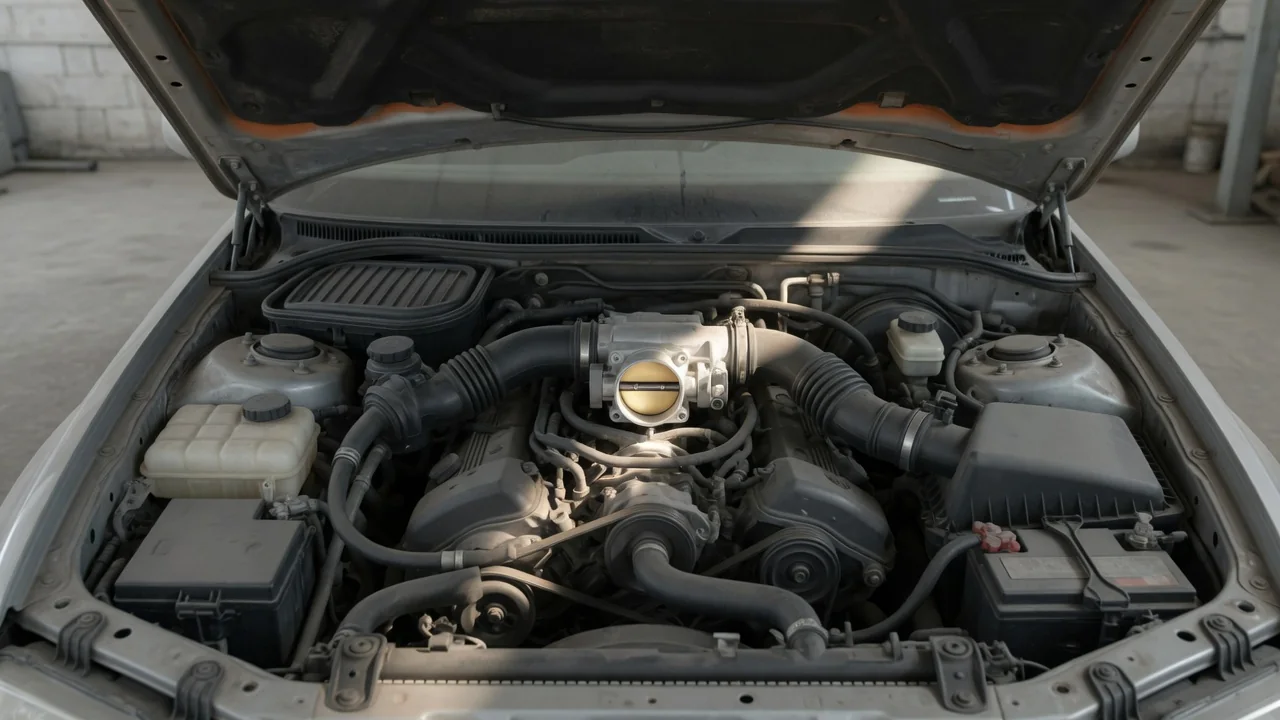
Volkswagen Jetta throttle body faults can make everyday driving feel unpredictable, from rough idle to sudden power loss. On many models, an electronic throttle body works with the engine control module to match accelerator pedal input to intake airflow. When the throttle body for Volkswagen Jetta applications develops deposits, electrical faults, or calibration issues, it may trigger drivability complaints. Determining the actual cause requires vehicle-specific diagnosis rather than guessing at the throttle body itself.
What the Throttle Body Does in a Volkswagen
The throttle body controls how much air enters the engine. In older cable-actuated systems, the accelerator pedal pulls a cable that opens a butterfly valve. Newer Volkswagen engines often use electronic throttle control, where a sensor on the accelerator pedal sends a signal to the engine control module. The module then commands a small electric motor on the throttle body to move the plate to the correct angle. This allows precise control of airflow for idle speed, traction, cruise control, and emissions.
Because throttle body VW hardware varies with engine generation, the exact location and service requirements depend on the model year and engine code. A Volkswagen throttle body on a 2.0L naturally aspirated engine differs from one on a 1.4L TSI or 2.5L inline-five. Before looking up diagnostic or service information, note the model year, engine identification, and VIN. These details help ensure you are working with the correct component, electrical connector, calibration data, and replacement part for your Jetta.
Symptoms That Warrant a Throttle System Check
A failing or dirty throttle body can produce several drivability symptoms, but none alone proves the throttle body is at fault. Drivers may notice unstable idle with the engine speed hunting up and down, stalling when coming to a stop, hesitation during acceleration, reduced accelerator response, or restricted engine power. These same complaints can come from ignition misfires, vacuum leaks, fuel delivery problems, or sensor faults. Written symptom notes help a technician reproduce the issue, but they are only the starting point for diagnosis, not a direct verdict against the throttle body.
An EPC warning light or check engine light often accompanies throttle-related faults, yet these lights indicate that the engine management system has detected a problem, not which part has failed. Several systems interact with electronic throttle control, including the accelerator pedal, engine control module, and wiring. Before assuming a throttle body problem, note whether the symptom occurs at startup, at idle, after the engine warms up, or following recent service. That timing can point toward cold-start enrichment, heat-related electrical failures, or disturbed connections. If the engine repeatedly stalls or suffers sudden power loss, continuing to drive may be unsafe; stop in a safe place and arrange assistance rather than pushing a car that could fail in traffic.
Confirming the Cause on a Jetta
Diagnostic trouble codes provide direction, but they are not a parts replacement list. Codes must be checked against the exact vehicle application because Volkswagen and Audi often use manufacturer-specific definitions. A code such as a throttle position signal fault could indicate a sensor issue, wiring problem, or control module concern. Save the codes and freeze-frame information before clearing anything. Freeze-frame data captures engine temperature, rpm, and load at the moment the fault set, which can reveal whether the problem occurs only when cold or under specific driving conditions.
With the engine off and the key removed, you can safely look for visibly displaced intake ducting, loose clamps, or damaged accessible wiring near the throttle body. Do not disconnect electrical connectors or touch the throttle plate. In an electronic throttle system, the plate is moved by a motor and can pinch fingers or be damaged by manual movement. Professional testing can go further by introducing controlled intake air leaks, checking electrical supply and ground circuits, reading accelerator pedal signals, and commanding the throttle plate through a scan tool. Only when those related causes are investigated and the throttle body itself fails a specific test should the assembly be considered faulty.
When Throttle Body Cleaning May Help
Throttle body deposits are common on port-injected and direct-injection engines because crankcase vapors and exhaust gas recirculation can leave oily residue on the throttle plate and bore. Deposits can cause the plate to stick or restrict airflow at small openings, leading to rough idle or hesitation. However, the presence of deposits alone does not prove they are causing the symptom. An engine with a small vacuum leak or a marginal ignition coil may idle poorly even with a clean throttle body. Cleaning makes sense only when inspection and diagnosis point to airflow restriction at the throttle plate, not when the real problem is an electrical or mechanical failure elsewhere.
Cleaning an electronic throttle body requires the correct procedure for your specific Volkswagen. Approved cleaning materials matter because harsh solvents can strip protective coatings or damage the throttle position sensor. Forcing the throttle plate open by hand can strip the internal gears or confuse the control module’s learned position. On many Jetta models, the throttle body must be removed for cleaning, and the gasket may be one-time use. If you do not have access to the correct service information, torque specifications, and adaptation procedure, professional service may be the safer choice. A cleaning attempt that leaves the throttle body damaged or incorrectly installed can turn a minor drivability complaint into an expensive repair.
Throttle Adaptation After Service
Throttle adaptation, sometimes called a throttle body alignment or basic setting, is a vehicle-specific procedure that lets the engine control module learn the closed and full-open positions of the throttle plate. This is often required after cleaning, replacing the throttle body, disconnecting the battery, or performing electrical work. Adaptation ensures the module knows exactly how much airflow corresponds to each motor command, allowing stable idle and smooth acceleration. On many Volkswagen models, this is performed with a diagnostic scan tool through the engine electronics control module.
There is no universal accelerator pedal sequence or battery-disconnection shortcut that works for all Jetta model years. Using an incorrect procedure can leave the throttle in a fail-safe mode, cause a high or low idle, or set new fault codes. The applicable service information will specify the required conditions, such as coolant temperature or battery voltage, and the exact diagnostic tool function. If adaptation fails, do not assume the throttle body must be replaced. The failure may point to incomplete prerequisites, a vacuum leak, a faulty brake light switch, or another underlying trouble code. Correct diagnosis of why adaptation did not complete is the next step, not a blind parts swap.
Choosing a Replacement and Confirming the Repair
Replacement should be based on confirmed failure, not suspicion. Diagnostic evidence may include an open or shorted throttle motor circuit, a throttle position sensor that is erratic on a scan tool while the wiring is good, or a mechanical binding confirmed by hand only when the assembly is removed. Before condemning the throttle body, related causes such as intake air leaks, a faulty accelerator pedal sensor, or poor electrical connections must be assessed and ruled out. A fault code pointing to the throttle body is evidence to interpret, not proof that the part has failed.
Fitment must be confirmed using the VIN, engine identification, and the applicable part number because throttle bodies are not universally interchangeable among Jetta model years and engines. An estimate for replacement should include diagnosis, the throttle body assembly, any required seals or gaskets, installation labor, and the specified throttle adaptation. Current prices vary, so the estimate should be viewed as a total scope of work rather than a single number. After replacement, verify the repair under safe conditions: normal engine idle, smooth accelerator response, no warning lights, no stored faults, and successful completion of throttle adaptation. Only then can the repair be considered complete.