Volkswagen Jetta Spare Tire: Location and Type
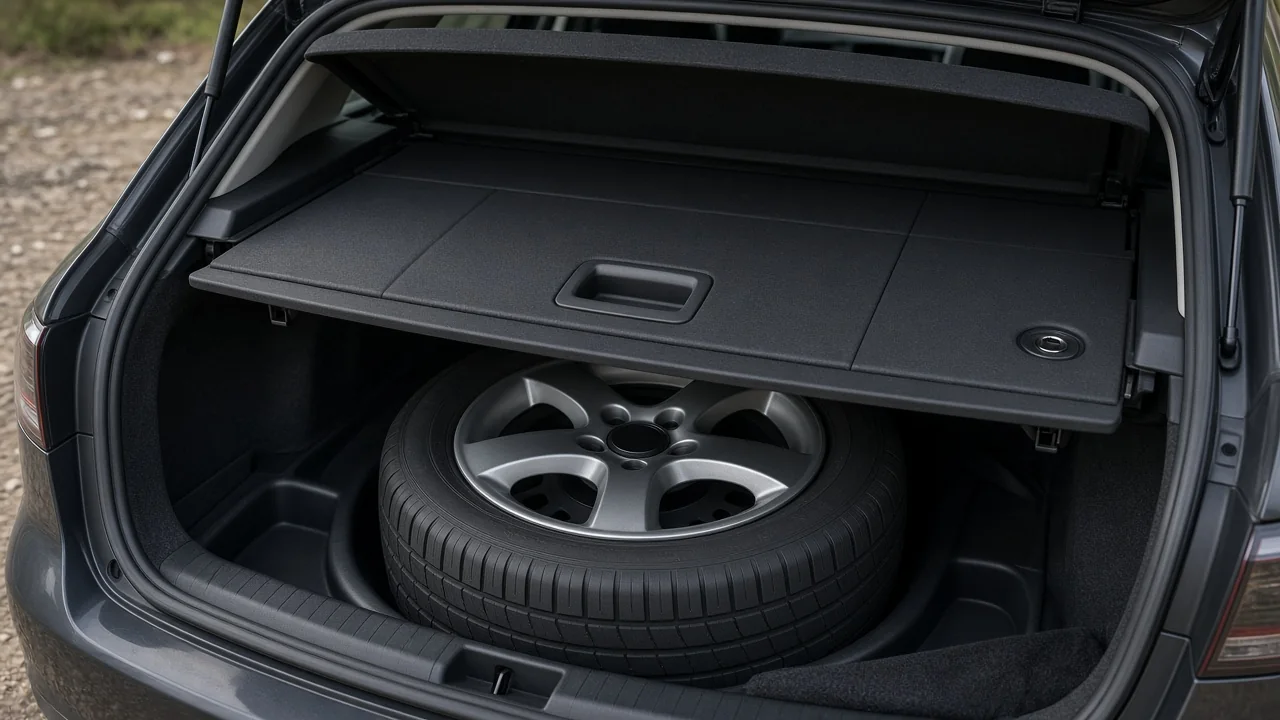
If you drive a Volkswagen Jetta and suddenly need the spare tire, it helps to know exactly where it is stored and what type of equipment your vehicle carries. Many owners expect a compact spare tire beneath the trunk floor, but some models may instead have a tire repair kit with an inflator. Knowing the location and type before an emergency can save time and frustration along the road.
Where to Look for Your Jetta’s Spare Tire
Start by opening the trunk and removing any loose cargo. The spare tire is usually located under the trunk cargo floor panel. Lift the panel carefully; it may have a handle or require light lifting from an edge. Do not force retainers, as plastic clips can crack. With the vehicle parked on level ground and the parking brake set, you can inspect the storage well safely. In most Volkswagen Jetta models, the spare sits in a recessed wheel well below a fabric-covered board or molded panel.
The presence of a storage well does not automatically mean a spare tire is inside. Some wells hold a compact spare tire, while others contain only a tire repair kit or may be empty because the vehicle originally came without a spare. Equipment choices vary by model year, market, and trim package. Always verify what your Jetta actually carries by looking beneath the floor panel and then checking the owner’s manual for the intended equipment for your specific vehicle.
Identify the Spare Tire Type From Its Markings
Once you find the tire, examine its sidewall markings. A compact spare tire will have raised letters such as “Temporary Use Only” or a T-type size designation like T125/70R16. These markings indicate a temporary-use spare designed for limited operation. Full-size spares may lack such restrictive wording and match the other tires in dimensions. The sidewall code also states load capacity and inflation pressure, which are useful before installing the tire.
Do not rely on wheel appearance or tire diameter alone to judge whether the spare is a full-size or temporary unit. Some compact spares have a different wheel design but the same rolling circumference as the others. Always confirm the supplied tire type by checking the owner’s manual or the tire information label usually found in the driver’s door jamb. Only the manual and the specific spare’s label give the correct operating restrictions for that tire, so read them carefully.
Confirm Equipment for Your Model Year and Vehicle
Equipment installed in the trunk can change over time. A previous owner may have removed the original spare, swapped in a tire from another vehicle, or added a repair kit that was not part of the factory package. The model year also matters: earlier Jettas often included a compact spare, while some recent model years may come only with a tire repair kit as a weight-saving measure. This variation means you cannot assume one type of equipment for every Jetta.
To confirm your vehicle’s original equipment, check the owner’s manual first. It will list the spare tire type, location, and any special instructions. For a more exact answer, use the vehicle identification number. A Volkswagen service department can enter the VIN to see the factory build data and tell you whether the car originally had a spare tire, a repair kit, or neither. This is especially useful if the wheel in the trunk carries unfamiliar markings.
What an Empty Well or Tire Repair Kit Means
When you lift the trunk floor and see an empty well, do not assume the spare was lost. Some Jettas were delivered without a spare tire to reduce weight and increase cargo space. In those vehicles, a tire repair kit may be stored in the well or in a side compartment. A typical mobility kit consists of a 12-volt air compressor and a bottle of tire sealant. The inflator hose connects to the tire valve, and the sealant is injected through a separate tube.
Before relying on a repair kit, read the instructions on the kit itself. Check the sealant container for an expiration date; old sealant may not work properly. The kit is designed for small punctures in the tread area, not sidewall cuts or large tears. If the damage is outside the kit’s stated limitations or you cannot identify the equipment in your trunk, call roadside assistance. Do not attempt a repair that the kit’s label specifically warns against.
Check the Stored Spare Before You Need It
Take a few minutes to inspect the spare tire now, before you need it on a dark highway. Look for cracks, cuts, or bulges in the sidewall and tread. Check that the wheel is held securely by the retaining bolt or strap. If the spare is loose, it can rattle and become damaged. Also look for signs of dry rot, which appears as fine cracks in the rubber. A tire that sits in a trunk for years can deteriorate even if it has never been used.
Stored tires lose air slowly, so check the spare’s pressure periodically. The correct inflation pressure is printed on the tire sidewall or listed in the owner’s manual; do not guess based on the other tires. A compact spare usually requires a higher pressure than a standard tire. If the tire looks questionable or you are unsure of its history, have a tire professional inspect it. If the spare is missing or unusable, consult a qualified tire professional for a vehicle-specific replacement that matches your Jetta’s fitment requirements.