Vevor Tire Bead Seater (Bead Blaster) Explained
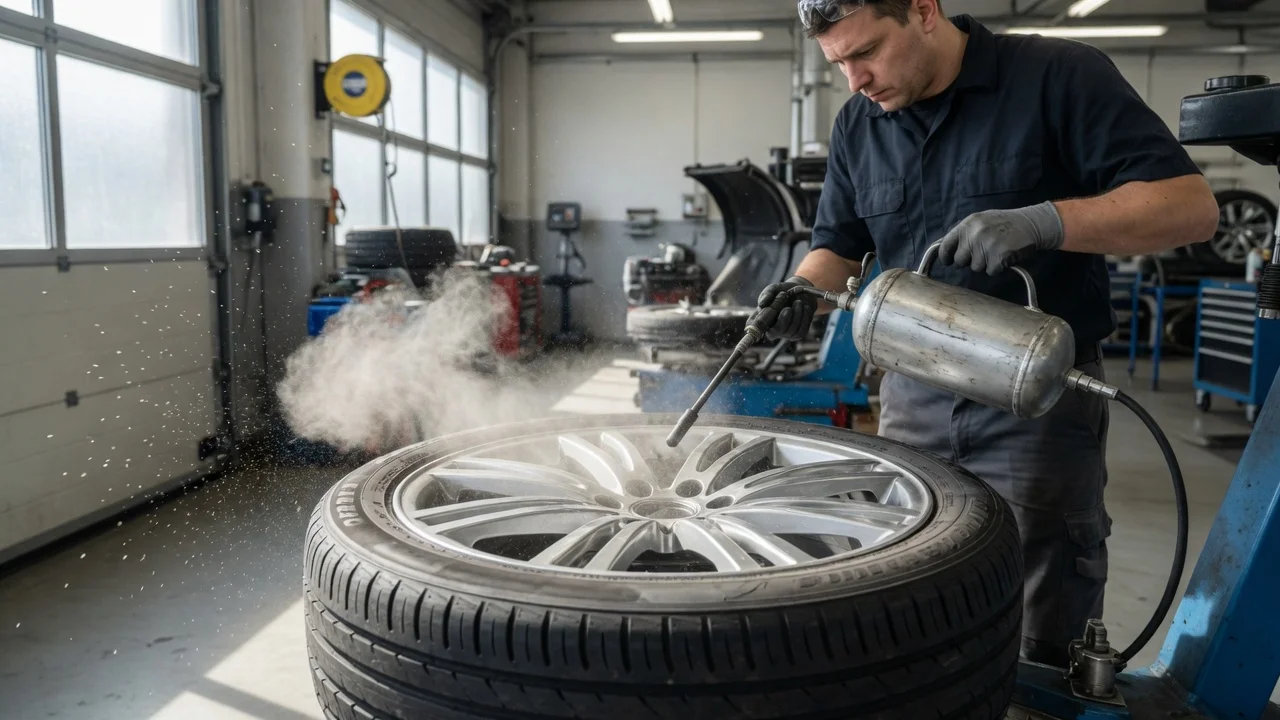
What a Vevor tire bead seater is
A Vevor tire bead seater, also called a bead blaster or bead cheetah, is a portable air tank designed to seat tubeless tire beads onto a wheel. It releases a short, high-volume burst of compressed air through a discharge nozzle. The blast pushes the tire sidewall outward against the rim so the bead can seal and begin holding air. This is useful when a tire has been removed or partially dismounted and will not take pressure from a normal air line.
The immediate answer
A Vevor bead seater can be a practical option for seating stubborn tubeless tire beads on cars, light trucks, trailers, ATVs, and agricultural or lawn equipment. The condition that matters most is air supply. You need an air compressor capable of refilling the tank to its working pressure before each blast. Without enough compressor volume and pressure, the tool may not deliver a strong enough burst to seat a larger tire.
Vevor tire bead blaster terminology
Bead seater and bead blaster refer to the same type of tool. The tank stores compressed air and releases it quickly through a straight or curved nozzle. Some people compare the operating principle to a large air cannon. The force comes from the rapid expansion of stored air, not from a constant flow like a conventional tire inflator.
Why it is sometimes described as a potato gun
The phrase potato gun appears because the tool has a similar external shape to a small pneumatic launcher: a cylindrical tank, a valve, and a nozzle. The comparison is loose and based on appearance, not function. A bead seater is not a projectile device and is not intended to launch anything.
When a bead seater is useful
This tool helps when a tire bead will not seat using a normal air chuck. Common situations include mounting a new tire that was compressed during storage, reseating a bead after a puncture repair, working with a tire that slipped off the rim during transport, or mounting a tubeless tire on a wheel that has a narrow drop center.
When it may not be enough
A bead seater will not fix a damaged tire bead, a bent rim, or a tire that is the wrong size for the wheel. If the bead area is torn, cracked, or contaminated with heavy rust or old rubber, the air blast may not create a seal. Low-profile tires with very stiff sidewalls can also require more force or different technique than a smaller portable tank provides.
What to check before choosing a Vevor bead seater
Tank capacity and working pressure; these affect the burst strength available for a given tire size. Compressor output and recovery time; a tank that empties quickly must be refilled before the next attempt. Nozzle style; straight and curved discharge tubes suit different rim and tire access angles. Valve type and trigger; look for a valve that opens fully and predictably for a consistent blast. Intended tire range; smaller tanks may work for ATV and light-duty tires but struggle with wide or stiff truck tires.
Basic operating sequence
Fill bead seater tank to the specified pressure. Close the valve. Remove the valve core from the tire stem to allow maximum air entry. Position the discharge nozzle near the gap between tire bead and rim. Aim the nozzle so the burst enters the sidewall gap and travels around the rim. Stand clear of the wheel and tire. Open the tank valve quickly to release the stored air. Begin adding air through the tire stem as soon as the bead contacts the rim.
Safety points that affect the decision
The stored air in a bead seater releases with enough force to move loose clothing, debris, or an unsecured wheel. Keep your hands and body away from the nozzle and the tire sidewall during discharge. Inflate in a locked position or on the vehicle with the wheel chocked when possible. Never exceed the stated maximum working pressure for the tank.
Compatibility considerations
Bead seaters are largely universal and do not depend on vehicle make or model. Compatibility is determined by tire size, sidewall stiffness, rim design, and available air supply. A unit that seats an ATV tire easily may not seat a wide light-truck tire. Check the manufacturer-specified tire diameter and width range where provided, and treat that as a guideline rather than a guarantee.
Evidence gaps
The supplied background does not include exact tank volume, working pressure, nozzle dimensions, included fittings, or measured blast performance for specific Vevor models. It also does not identify particular model numbers or vehicle applications. Those details should be confirmed from the product listing, manual, or seller before purchase.
Practical takeaway
A Vevor tire bead seater is best treated as an occasional-use shop tool for mounting and reseating tubeless tires when a regular air line will not do the job. It is more useful with an adequate compressor and realistic expectations about tire size. For a one-time repair, borrowing or renting a bead seater may be a simpler next step than buying one.