Vertical Car Door Hinges
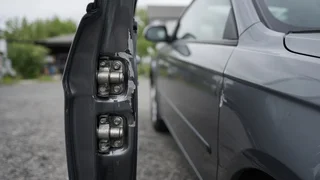
Vertical car door hinges replace conventional side-opening pivots with hardware that swings a door upward, changing how the panel clears the body opening, latch, striker, weather seal, hinge pin, strut, and surrounding sheet metal. Buyers often research this kit because the look is dramatic, yet the practical result depends on vehicle fitment, hinge geometry, gas strut force, actuator setup when power operation is used, and installation alignment. This guide explains what to evaluate so the selected hinge assembly supports the door safely without turning a styling upgrade into a misaligned closure or sealing problem.
The direct answer
The immediate question is whether vertical car door hinges are a realistic purchase for a particular vehicle. The answer is conditional: the hardware can work when the pivot location, hinge plate design, door weight, strut rating, latch position, and weather seal path are compatible with the body opening and the panel’s factory mounting points. A universal impression is misleading because two-door and four-door vehicles place the hinges, wiring boots, check links, and striker positions differently. If the exact kit does not list the model and body style, treating fitment as uncertain is safer than assuming the bracket can simply be drilled or spaced into place.
A suitable next step is to compare the hinge’s stated vehicle fitment against the door’s actual mounting surface, profile, and swing arc. The buyer should also confirm whether the kit depends on the original lower hinge or replaces it, and whether the supplied strut has the correct extended and compressed length for the door’s raised travel. If the vehicle uses a heavy door with complex trim, glass channel, or harness routing, a weaker gas strut may hold the open position inconsistently. In that condition, the direct answer is that the package is acceptable only after fitment, load support, and latch alignment are verified on the specific vehicle.