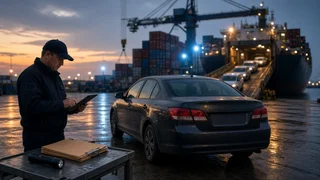
Vehicle Export Clearance at Detroit: What It Involves and How It Differs

The short answer
Exporting a used vehicle through Detroit follows the same federal rules as any other US port of export. US Customs and Border Protection (CBP) handles the clearance. Its regulations for used self-propelled vehicles require the exporter to do two things. First, file the shipment electronically with the federal export reporting system. Second, present the vehicle and its ownership documents to CBP at the port of export before the vehicle leaves. Detroit is a land border port with Canada, so many exports through it are vehicles crossing into Canada. The US clearance steps are the same whatever the destination.
One qualification changes the answer for many readers. These export rules apply to permanently exporting a used vehicle, for example after selling it to a buyer abroad or moving it to another country for good. They do not apply to a US resident driving their own car into Canada for a visit and bringing it back.
What export clearance covers
Export clearance confirms three things before a vehicle leaves the United States: the person exporting it has the right to do so, the vehicle is not reported stolen, and the export is recorded in federal trade data. CBP checks the vehicle identification number (VIN), the unique 17-character code that identifies a specific vehicle, against the ownership documents and the electronic filing.
How a permanent export differs from a trip
Permanent export of a used vehicle: CBP's used-vehicle export requirements apply. That means an electronic filing and presenting the title documents before departure. Temporary travel in your own vehicle: these export requirements generally do not apply, because the vehicle is not being exported. New vehicles shipped commercially by manufacturers or distributors: these normally move under commercial export procedures rather than the used-vehicle title-presentation process. The exporter's customs broker or freight forwarder usually handles them.
Core requirements for a used vehicle
Under CBP's regulations, a used self-propelled vehicle must have its export information filed electronically through the Automated Export System (AES) regardless of its value. A successful filing generates an Internal Transaction Number (ITN). The ITN is a reference number showing the filing was accepted, and CBP expects to see it with the vehicle documents.
The exporter then gives CBP at the port of export the original certificate of title or a certified copy, along with the VIN and the ITN. CBP's rules set the deadline at least 72 hours before export. Ask the Detroit port office how it applies that timing to land crossings, because handling can differ from ocean ports.
If a lender still holds a lien on the vehicle, CBP generally expects a letter from the lienholder authorizing the export. A vehicle that is still being financed should not be treated as ready to export until this is sorted out.
Documents to have ready
Original certificate of title, or a certified copy, matching the vehicle's VIN; Proof that the electronic export filing was accepted, shown by the ITN; Lienholder authorization, if the vehicle has an outstanding loan; Identification for the exporter, and any authorization if an agent is acting for the owner
The destination side is a separate process
US export clearance only covers the vehicle's departure from the United States. Whether the vehicle can be imported and registered at the destination is a separate decision made by that country. For Canada, the most common destination through Detroit, Canadian federal import and vehicle-admissibility rules apply. This includes whether a given model is eligible for import and whether open safety recalls must be resolved. Check those requirements with Canadian authorities before you start the US export steps.
Gaps to confirm before you go
The information available for this article did not include Detroit-specific details. That covers office hours, how and where to present documents locally, appointment practices, processing times, and any fees charged by brokers or carriers. Exact lead times and document handling can also change, and they can vary between crossings and between ocean, rail and road shipments. Before scheduling an export, confirm the current requirements directly with the CBP port office responsible for Detroit, or with a licensed customs broker.