Vehicle Controls for the Driving Test
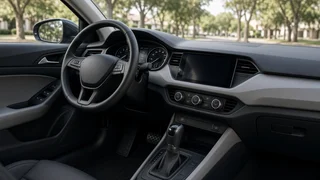
Preparing for a driving test means showing the examiner that every input is smooth, deliberate, and under control. The phrase “vehicle controls for driving test” covers the primary devices you operate from the driver’s seat: the steering wheel, accelerator, brake pedal, clutch where applicable, gear selector or shift lever, turn signals, windshield wipers, defroster, mirrors, and the parking brake. Understanding how these controls respond before you enter the test route reduces hesitation and helps you manage low-speed maneuvers, lane changes, stops, and hill starts without relying on guesswork. This overview explains the control categories most commonly observed during a US road test and why calm, precise operation matters more than memorizing a checklist.
Essential answer
The essential answer is that vehicle controls for a driving test are the driver-operated inputs that affect speed, direction, visibility, and communication with other road users. Examiners watch how you use the steering wheel, throttle command, brake pedal, and parking brake during basic maneuvers such as pulling away from the curb, approaching an intersection, completing a turn, and securing the vehicle at the end of the test. The scope includes both primary controls you use continuously and secondary controls you reach for when conditions change, such as the windshield wipers, defroster, headlight switch, and turn signal lever.
The most important qualification is that control operation should demonstrate stability rather than speed. Smooth pedal travel and measured throttle command show that you are reading the traffic situation instead of reacting abruptly. For example, a gradual brake pedal application before a stop sign lets the vehicle settle without pitching forward, while a rushed stab can make the stop feel uncontrolled. The instrument panel supports this process by giving you feedback on speed, indicator status, and selected operating mode, but your eyes should return promptly to the road after each glance. During the test, the examiner is assessing whether the vehicle moves as if you are anticipating what comes next, not simply whether the correct switch was found.