Types of Car Insurance Coverage
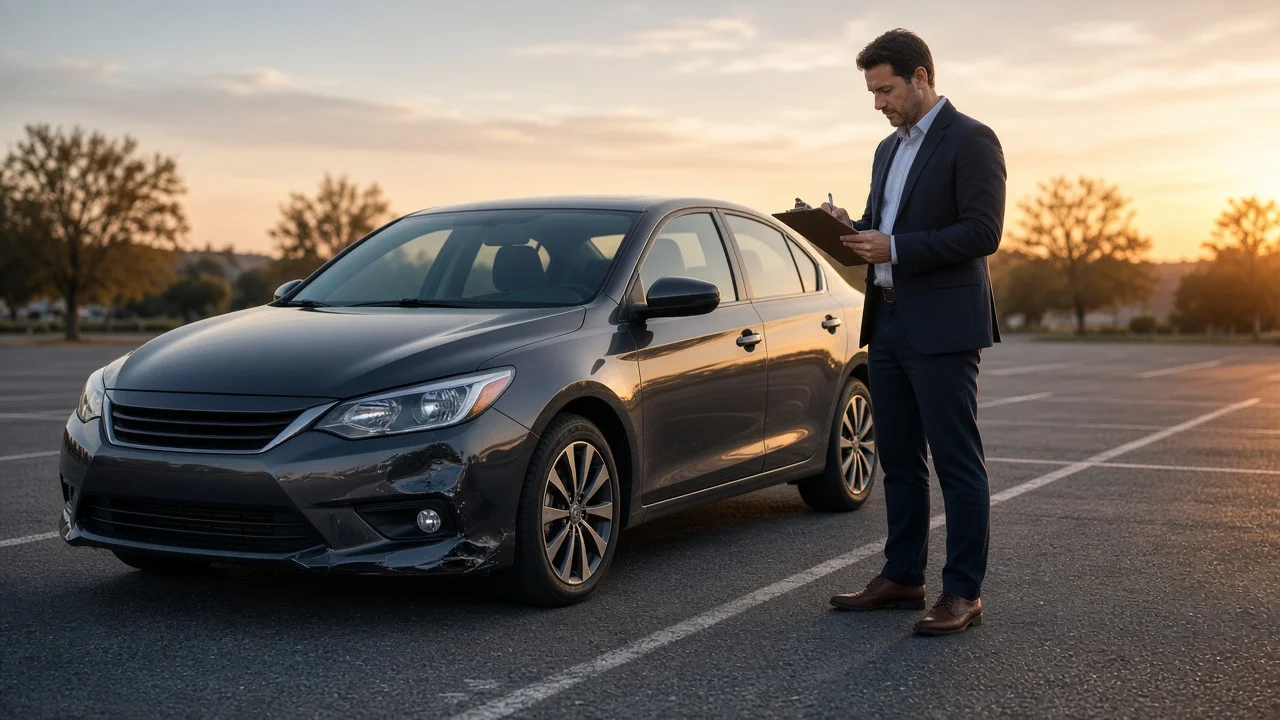
A US auto insurance policy is a bundle of separate coverages. Each one pays for a different kind of loss, and each has its own limit, and in some cases its own deductible. The core types are liability, collision, comprehensive, uninsured/underinsured motorist, and medical coverage, which is either personal injury protection or medical payments. Insurers also sell optional add-ons such as rental reimbursement and gap coverage. Two things determine which of these you actually need. First, your state sets the minimum required coverages. Second, your lender or leasing company may add its own requirements. Rules and minimum limits vary by state, so treat this guide as an overview of how the coverages differ. Check your own state's current rules before you buy.
The short answer
Liability coverage pays for injuries and property damage you cause to others. Nearly every state requires it. Collision coverage pays to repair or replace your own car after a crash, regardless of fault. Comprehensive coverage pays for damage to your car from non-collision events such as theft, fire, flooding, falling objects or hitting an animal. Uninsured/underinsured motorist coverage protects you when an at-fault driver has no insurance or too little. Personal injury protection (PIP) and medical payments (MedPay) cover medical costs for you and your passengers, regardless of fault. Optional add-ons include rental reimbursement, roadside assistance, gap insurance and new car replacement.
Liability coverage
Liability insurance covers your legal responsibility to other people when you cause an accident. It does not pay for your own car or your own injuries. It has two parts.
Bodily injury liability pays for other people's medical bills, lost wages and related costs. It also covers your legal defense if you are sued. Property damage liability pays to repair or replace property you damage, such as another vehicle, a fence or a building.
Liability limits are usually written as three numbers separated by slashes. In order, they show the per-person bodily injury limit, the per-accident bodily injury limit, and the property damage limit. State minimums are often low compared with the cost of a serious accident. If a claim exceeds your limits, you can be personally responsible for the difference. Liability coverage generally has no deductible.
Collision coverage
Collision coverage pays for damage to your own vehicle when it hits another vehicle or an object, or when it rolls over. It applies whether or not you were at fault. A deductible applies: this is the amount you pay toward each claim before the insurer pays the rest.
Payouts are generally capped at the car's actual cash value, meaning its market value at the time of the loss, not what you paid for it. States do not usually require collision coverage. Lenders and leasing companies typically do.
Comprehensive coverage
Comprehensive coverage, sometimes called other-than-collision coverage, pays for damage to your car from events other than a crash. Typical examples are theft, vandalism, fire, hail, flooding, falling trees and collisions with animals. Glass damage is often handled under comprehensive, though terms vary by insurer and state.
Like collision coverage, comprehensive has a deductible, pays up to actual cash value, and is usually required for financed or leased vehicles rather than by law.
Uninsured and underinsured motorist coverage
Uninsured motorist (UM) coverage pays when you are hit by a driver who has no insurance. It also commonly applies in many hit-and-run cases. Underinsured motorist (UIM) coverage applies when the at-fault driver's liability limits are too low to cover your losses.
Both can include a bodily injury portion and, in some states, a property damage portion. Some states require UM or UIM coverage. Others require insurers to offer it and let you decline in writing.
Personal injury protection and medical payments
Personal injury protection (PIP) pays medical expenses for you and your passengers after an accident, regardless of fault. Depending on the state, it can also cover lost wages and other costs such as essential services. PIP is required in no-fault states, where your own insurer pays your injury costs first no matter who caused the crash. Some other states offer it as an option.
Medical payments coverage (MedPay) is similar but usually narrower. It typically covers medical and funeral expenses only, not lost wages. Where it is available, it is often optional. The details of both coverages differ significantly from state to state.
Common optional coverages
Rental reimbursement helps pay for a rental car while yours is being repaired after a covered claim. Roadside assistance or towing covers services such as towing, jump-starts, flat-tire changes and lockouts. Gap insurance pays the difference between your car's actual cash value and the amount you still owe on a loan or lease if the car is totaled or stolen. New car replacement pays toward a new vehicle of the same make and model, rather than actual cash value, if a relatively new car is totaled. Eligibility rules vary by insurer. Custom parts and equipment coverage extends protection to aftermarket modifications that a standard policy may not fully cover. Rideshare coverage closes gaps in protection when you drive for a ride-hailing or delivery service. Personal policies often exclude that use.
How the coverages compare
Coverage | What it pays for | Whose losses | Deductible | Typically required by; Bodily injury liability | Injuries you cause to others | Others | No | Nearly all states; Property damage liability | Property you damage | Others | No | Nearly all states; Collision | Crash damage to your car | You | Yes | Lenders and lessors; Comprehensive | Theft, weather, fire, animals and similar | You | Yes | Lenders and lessors; Uninsured/underinsured motorist | Losses caused by drivers with no or too little insurance | You and passengers | Varies | Some states; Personal injury protection | Medical costs and, often, lost wages | You and passengers | Varies | No-fault states; Medical payments | Medical and funeral costs | You and passengers | Usually no | Optional in most states that offer it
What "full coverage" usually means
"Full coverage" is an informal term, not a defined policy type. It usually means liability plus collision and comprehensive, and sometimes uninsured motorist and medical coverage as well. Even then, the policy still has limits, deductibles and exclusions.
When comparing quotes, look at each coverage line and its limit rather than relying on the label. Also note that wear and tear, mechanical breakdowns and personal belongings inside the car are generally not covered by standard auto policies.
Choosing what you need
Start with your state's legal minimums and any lender or lease requirements. Then consider how much financial exposure you could handle after a serious at-fault accident, since that determines whether you need liability limits above the minimum.
For an older car with low market value, collision and comprehensive may cost more over time than they are likely to pay out. For a newer or financed car, they usually make more sense.
Information not covered here
This guide does not include state-by-state minimum limits, premium costs, deductible amounts or insurer-specific terms. These vary by state, insurer, vehicle and driver and change over time. Confirm current requirements with your state's insurance department or motor vehicle agency. Review the declarations page and policy wording before you buy.