Liability Car Insurance Coverage Explained
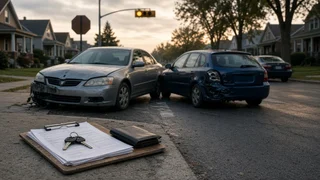
Liability car insurance pays for injuries and property damage you cause to other people in an accident where you are legally at fault. It does not pay to repair your own car or treat your own injuries. That one distinction explains most of what drivers need to know about liability auto insurance. It is the coverage most US states require. It protects other people, and through them it protects your finances. It also leaves your own vehicle unprotected unless you add other coverages.
What liability coverage actually pays for
Liability coverage on a car insurance policy is usually split into two parts. Each part handles a different kind of harm you might cause to others.
Bodily injury liability: covers other people's medical bills, lost income, and pain-and-suffering claims after an accident you caused. It can also respond to legal claims if an injured person sues you. Property damage liability: covers damage you cause to someone else's property. That most often means another vehicle, but it can also include fences, buildings, utility poles, or other structures.
Many policies also pay for your legal defense if you are sued over a covered accident. Whether defense costs come out of your limits or are paid on top of them depends on the policy wording, so check this in your own contract.
What liability insurance does not cover
A liability-only policy leaves several common losses uncovered. The gaps that matter most are:
Damage to your own vehicle, whether you caused the crash or it was a single-car accident. Your own medical expenses. Depending on your state and the options you choose, these may be handled by personal injury protection (PIP), medical payments coverage, or your health insurance. Theft, vandalism, fire, flood, hail, falling objects, or animal strikes involving your car. Costs above your policy limits. If a claim exceeds your limits, you can be personally responsible for the difference. Situations your policy specifically excludes.
How policy limits work
Policy limits are the maximum amounts your insurer will pay for a covered liability claim. Many US policies state them as split limits, a three-number format written with slashes. The numbers stand for:
The bodily injury maximum per injured person. The bodily injury maximum per accident, for everyone injured combined. The property damage maximum per accident.
Here is a purely hypothetical example. A policy written as 100/300/50, in thousands of dollars, would pay up to the first amount for any one injured person and up to the second amount for all injuries in one accident. It would pay up to the third amount for property damage. Some insurers instead offer a combined single limit, which is one total amount that can be applied across injuries and property damage in an accident.
Each state sets its own minimum required limits, and those minimums differ from state to state. State minimums are a legal floor, not a recommendation. A serious accident with multiple injuries or a newer vehicle involved can produce costs well beyond minimum limits. Many drivers pick higher limits based on their assets and how much financial risk they can absorb. Drivers with significant assets sometimes add an umbrella policy, which provides extra liability protection above the auto policy's limits.
Do you need liability car insurance?
In nearly every US state, drivers must carry liability insurance or otherwise prove financial responsibility in order to drive legally. The rules, the accepted alternatives, and the penalties for driving uninsured vary by state. Check your state's motor vehicle or insurance regulator for the current requirements.
No-fault states add another layer. In those states, drivers usually must also carry PIP, which pays for their own injuries regardless of who caused the accident. Liability coverage still applies in no-fault states, but how injury claims move between drivers works differently.
Liability vs. collision vs. comprehensive coverage
Full coverage is not a formal policy type. People generally use the term to mean liability coverage combined with collision and comprehensive coverage. The three core coverages compare like this:
Coverage | Who it protects | What it pays for | Typically has a deductible? Liability coverage | Other people affected by an accident you cause | Their injuries and property damage, up to your limits | Usually no; Collision coverage | You and your vehicle | Damage to your car from a collision with a vehicle or object, regardless of fault | Yes; Comprehensive coverage | You and your vehicle | Damage to your car from non-collision events such as theft, fire, weather, vandalism, or animal strikes | Yes
A deductible is the amount you pay out of pocket before the insurer pays on a claim. Liability claims generally have no deductible because the payment goes to the other party. Collision and comprehensive claims usually do have one, and choosing a higher deductible typically lowers the premium for those coverages.
Common exclusions to know
Exclusions are situations a policy does not cover. Wording varies by insurer and state, but common liability exclusions include:
Intentional damage or injury. Using the vehicle for commercial purposes, delivery, or ridesharing without the right endorsement or a commercial policy. Drivers specifically named as excluded on the policy. Racing or organized speed events. Damage to property you own, or property in your care.
Whether coverage extends to someone borrowing your car with permission, or to you when you drive a car you don't own, depends on the policy. Read the definitions and exclusions sections of your policy, or ask your insurer, before assuming a situation is covered.
When liability-only coverage makes sense
A liability-only policy usually costs less than a policy that adds collision and comprehensive. It can be a reasonable choice in some situations:
Your car is older or worth little, so collision and comprehensive premiums plus the deductible could approach or exceed what the car is worth. You could afford to repair or replace your vehicle yourself if it were damaged or stolen. Your car is paid off and owned outright.
Liability-only coverage is usually not an option if you finance or lease your vehicle. Lenders and leasing companies typically require collision and comprehensive coverage to protect their interest in the car. Also consider whether to add uninsured and underinsured motorist coverage. It protects you when an at-fault driver has no insurance or too little, and some states require it.
The bottom line
Liability car insurance covers the harm you cause to others, not the damage to your own car or your own injuries. It is legally required in nearly every state, but the state minimum may not be enough to protect your savings after a serious accident. To decide on coverage, start with your state's requirements. Then set limits that match what you have to protect, and decide whether your car's value justifies adding collision and comprehensive coverage.