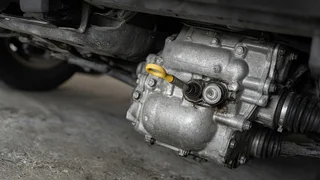
Type F transmission fluid equivalent
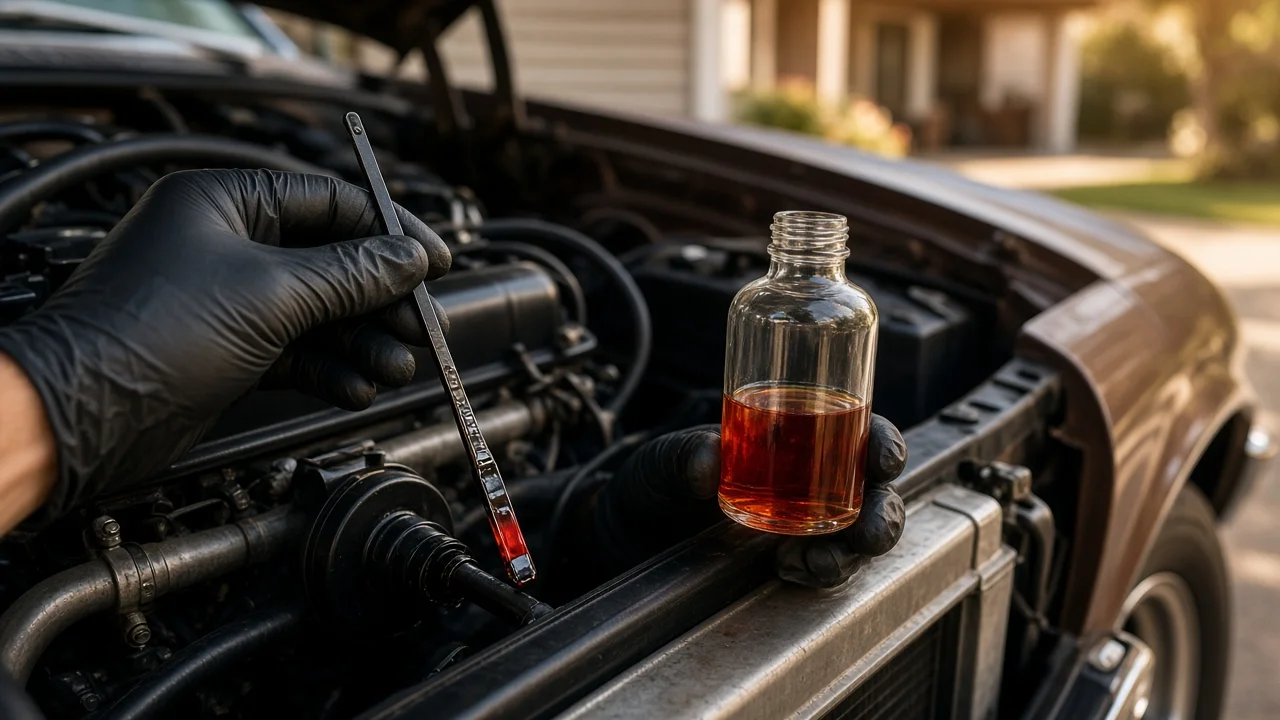
Researching a Type F transmission fluid equivalent usually means you are maintaining an older automatic transmission or a classic vehicle that was originally filled with this distinct friction-modified fluid. Type F is not simply another red automatic transmission fluid; its frictional character and additive chemistry shaped shift feel in Ford-era transmissions and certain performance applications. Substituting a modern fluid without checking the specification can change converter behavior, clutch engagement, and long-term wear. The goal is to identify products that match the required frictional properties rather than merely sharing a viscosity grade, so the transmission continues to shift firmly and predictably under load.
Essential answer
A true Type F transmission fluid equivalent is a fluid formulated to deliver the high static friction and firmer shift calibration associated with the original Type F specification, not just any Dexron/Mercon-style product in a similar bottle. Many current fluids marketed as Type F or classic transmission fluid are blended with the friction modifiers and oxidation inhibitors needed for older Ford automatics, select imported units, and some performance valve bodies. The essential answer is that an equivalent exists, but it must be matched by labeled Type F suitability or a formulation specifically described as meeting that older frictional requirement.
Because Type F intentionally provides less slippage during clutch apply, a generic multi-vehicle fluid can soften engagement and alter shift quality in a transmission tuned for Type F. Some modern synthetic fluids are compatible enough to function, while others create shudder, delayed lockup, or accelerated band wear. Before choosing an equivalent, confirm whether the transmission builder or vehicle manufacturer allows a specific substitute. In stock collector cars and rebuilt units with original clearances, sticking with a designated Type F or a documented classic-fluid match is the safest way to preserve the intended shift behavior and hydraulic response.