Two-Stroke Oil Substitute: What Works, What Doesn't, and What to Do Instead
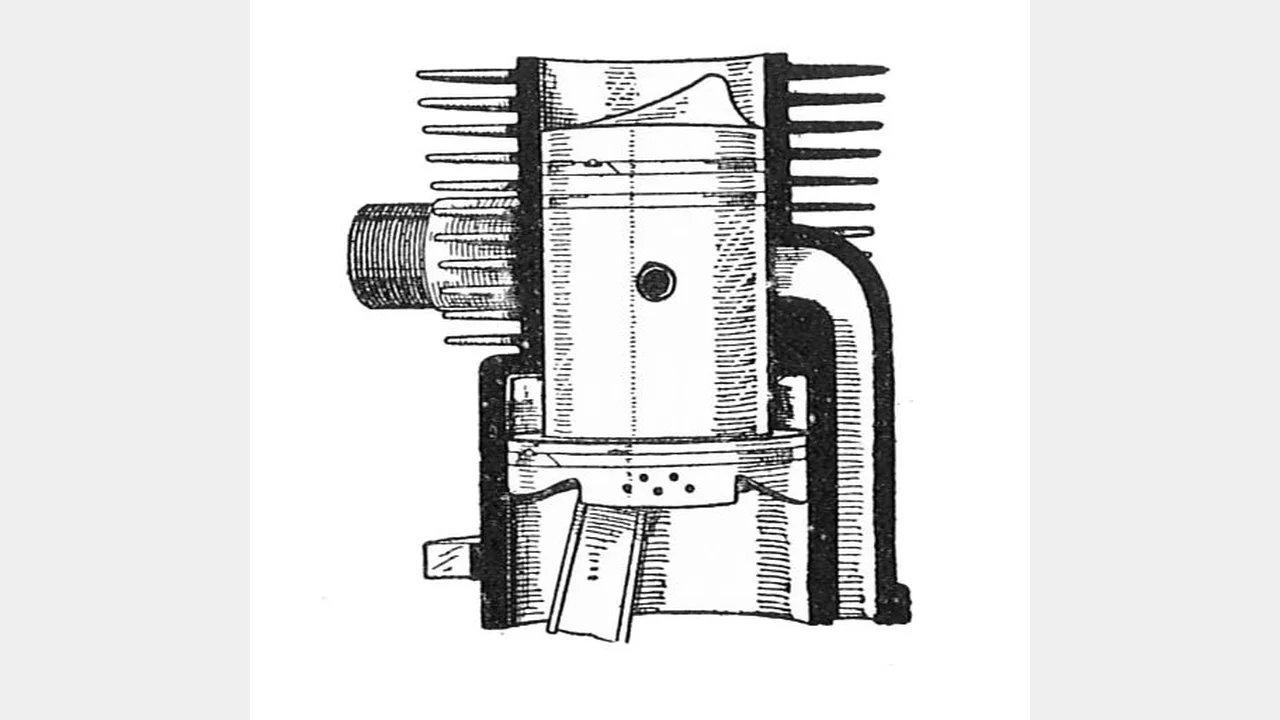
If you have run out of two-stroke oil, or are wondering whether something already on the shelf can stand in for it, the short answer is that there is no true substitute. The best replacement for two-stroke oil is another two-stroke oil that meets the specification your equipment calls for. A few other products are sometimes used in an emergency, but each carries real risk to the engine, and some common household suggestions can cause damage quickly. This guide explains why two-stroke engines need a dedicated oil, which alternatives people reach for and why most of them fall short, and how to pick the correct product for your engine.
The Direct Answer
Use a two-stroke oil that matches your engine's lubricant specification. If you have a different two-stroke oil on hand than the one normally used, it is usually a far better stand-in than any non-two-stroke product, provided its rating suits the engine type (air-cooled versus water-cooled). Four-stroke motor oil, transmission fluid, cooking oil, bar-and-chain oil and used oil are not suitable substitutes. If you cannot get the right oil, the safest options are to buy pre-mixed fuel made for two-stroke equipment or to wait until you can buy the correct oil, rather than running the engine on an improvised mix.
One qualification changes the answer: whether your engine uses premix or oil injection. Premix engines get their lubrication from oil blended into the fuel. Oil-injected engines, common on many outboards, scooters and some motorcycles, draw oil from a separate tank. Both still need two-stroke oil, but the oil for an injection system must also flow properly through the pump and lines, which makes improvised substitutes even less advisable.
Why Two-Stroke Engines Need Their Own Oil
A four-stroke engine keeps oil in a sump and recirculates it. A two-stroke engine has no oil sump in the crankcase, because the crankcase is part of the intake path. The fuel and air charge passes through it, carrying a small amount of oil that coats the bearings, cylinder wall and piston before being burned along with the fuel. In other words, two-stroke oil is a total-loss lubricant: it lubricates once and then goes out the exhaust.
That job requires a specific set of properties:
It must mix readily and stay blended with gasoline, including in cold conditions. It must provide a lubricating film strong enough to protect parts at high temperatures and engine speeds, even at the low concentration found in a fuel mix. It must burn as cleanly as possible, leaving minimal ash and carbon on the piston crown, rings, exhaust port, spark plug and muffler or spark arrestor screen. It must resist ring sticking and port blocking from deposits over time.
Two-stroke oils are formulated around these needs, typically with low-ash or ashless additive packages and, in many products, a solvent component that helps them blend into fuel. Products designed for other purposes are not built to meet this combination of requirements.
Common Substitutes and Why They Fall Short
Substitute | Typical reasoning | Main concern; Different two-stroke oil | It is still two-stroke oil | Usually acceptable if the rating suits the engine; check air-cooled versus water-cooled suitability; Four-stroke motor oil | It is engine oil | Not formulated to burn with fuel; ash-forming additives can build deposits and foul plugs; Automatic transmission fluid | It is a thin oil that mixes | Not designed for combustion; deposits and inadequate protection are likely; Bar-and-chain oil | It is on hand with the chainsaw | Contains tackifiers meant to cling to the chain; poor for combustion and fuel mixing; Vegetable or cooking oil | It is an oil | Does not burn cleanly in this application; can gum up and leave heavy deposits; Used motor oil | It is free | Contains contaminants and degraded additives; a poor choice for any engine; Penetrating or spray lubricants | They are oily | Not lubricants for this purpose; offer little protection
Another Two-Stroke Oil
This is the closest thing to a genuine substitute. The main point to watch is the engine type. Oils rated for water-cooled outboards, commonly labeled with the NMMA TC-W3 rating, are formulated for engines that run cooler than air-cooled equipment such as chainsaws, string trimmers, leaf blowers and many dirt bikes. Air-cooled engines generally call for oils rated under the JASO (FB, FC, FD) or ISO-L-EGB/EGC/EGD classifications. Many users and equipment makers advise against using water-cooled outboard oil in hot-running air-cooled tools, while some oils carry both types of rating. When in doubt, follow the oil and equipment labels rather than assuming one two-stroke oil fits every engine.
Four-Stroke Motor Oil
This is the most common suggestion and the one that causes the most debate. Conventional automotive motor oil is designed to stay in a sump and resist burning, not to be consumed with the fuel. Its detergent and anti-wear additives often contain metals such as calcium and zinc, which leave ash when burned. In a two-stroke engine, that ash can contribute to carbon buildup, spark plug fouling, sticking rings and restricted exhaust ports. Some people report running small engines on motor oil in an emergency without immediate trouble, but that is anecdotal and does not make it a sound practice. If it is used at all, it should be treated as a last resort for a very short run, not as a routine replacement.
Products to Avoid Entirely
Transmission fluid, vegetable oil, bar-and-chain oil, used oil and spray lubricants should not be mixed into two-stroke fuel. They are not formulated for combustion lubrication, and the risks range from heavy deposits to inadequate protection that can lead to scoring or seizure. A seized piston usually costs far more to repair than a bottle of the correct oil.
Better Options When You Run Out
Buy pre-mixed fuel sold for two-stroke equipment. It is widely available at hardware and outdoor power equipment retailers and removes both the oil question and the ratio question. Borrow or buy a small bottle of two-stroke oil. Single-use pouches and small bottles sized for one fuel can are common. Wait. For most lawn, garden and recreational equipment, postponing a job is cheaper than risking the engine. Never run a premix engine on straight gasoline. Without oil in the fuel, the engine has no lubrication and can be damaged in a very short time.
How to Choose the Right Two-Stroke Oil
Start With Equipment Identification
Confirm exactly what you are fueling. The equipment label, owner's manual or the fuel cap often states the required oil type and mix ratio. Note whether the engine is air-cooled or water-cooled, whether it uses premix or oil injection, and the model and year if you need to look up requirements. Specifications can differ between models and generations from the same manufacturer.
Match the Lubricant Specification
Look for the rating the manufacturer specifies rather than choosing by brand or price alone. As a general guide, air-cooled handheld equipment and motorcycles commonly call for JASO FC or FD or ISO-L-EGD class oils, while water-cooled outboards commonly call for TC-W3. Some manufacturers also list their own branded oil or a manufacturer approval; using an approved product can matter for warranty coverage, so check the warranty terms if the equipment is still covered.
Use the Specified Mix Ratio
Premix ratios are expressed as fuel to oil, such as 50:1 or 32:1. Use the ratio stated for your engine, not a ratio printed on an oil bottle for a different application. Too little oil risks wear and seizure; too much can cause smoking, fouled plugs and deposits. Measure the oil with a marked container or a pre-measured bottle rather than estimating, and mix it thoroughly with fresh fuel before filling the tank.
Synthetic Versus Mineral
Fully synthetic and semi-synthetic two-stroke oils are generally formulated to burn cleaner and may produce less smoke and fewer deposits than conventional mineral oils. Whether that benefit is worth the extra cost depends on how the equipment is used. Either type is acceptable as long as it meets the required specification and is used at the correct ratio.
Notes for Oil-Injected Engines
If your engine has a separate oil tank, do a regular level check and keep it topped up with the correct injector-compatible two-stroke oil; the owner's manual will give the tank's fill quantity and any service interval for the oil pump, lines or filter. Do not add improvised oils to an injection reservoir. Thick or incompatible fluids can affect flow through the pump and lines, and a lubrication shortfall in an injected engine may not be obvious until damage has occurred. Some owners run a premix alongside injection for added protection, but this should follow manufacturer guidance rather than guesswork.
If You Already Used a Substitute
If an engine has been run on four-stroke oil or another stand-in, drain the remaining mixed fuel and refill with a correct two-stroke mix. Watch for signs of trouble such as hard starting, heavy smoke, loss of power or unusual noise. Inspecting or replacing the spark plug is a simple first step, since plug fouling is a common early symptom of an unsuitable oil. Persistent problems, especially reduced compression or metallic noises, are worth having checked by a small-engine or marine technician before further use.
Bottom Line
The only dependable substitute for two-stroke oil is another two-stroke oil rated for your type of engine, used at the ratio the manufacturer specifies. Pre-mixed fuel is the easiest fallback when you run out. Four-stroke motor oil is at best a risky short-term stopgap, and household oils, transmission fluid, bar-and-chain oil and used oil should be avoided altogether.