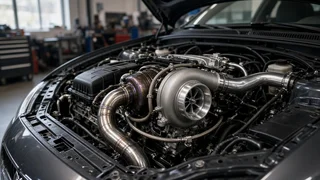
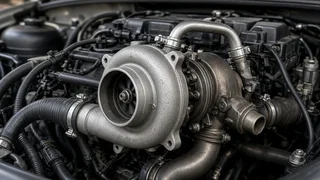
Turbocharger for Smart car
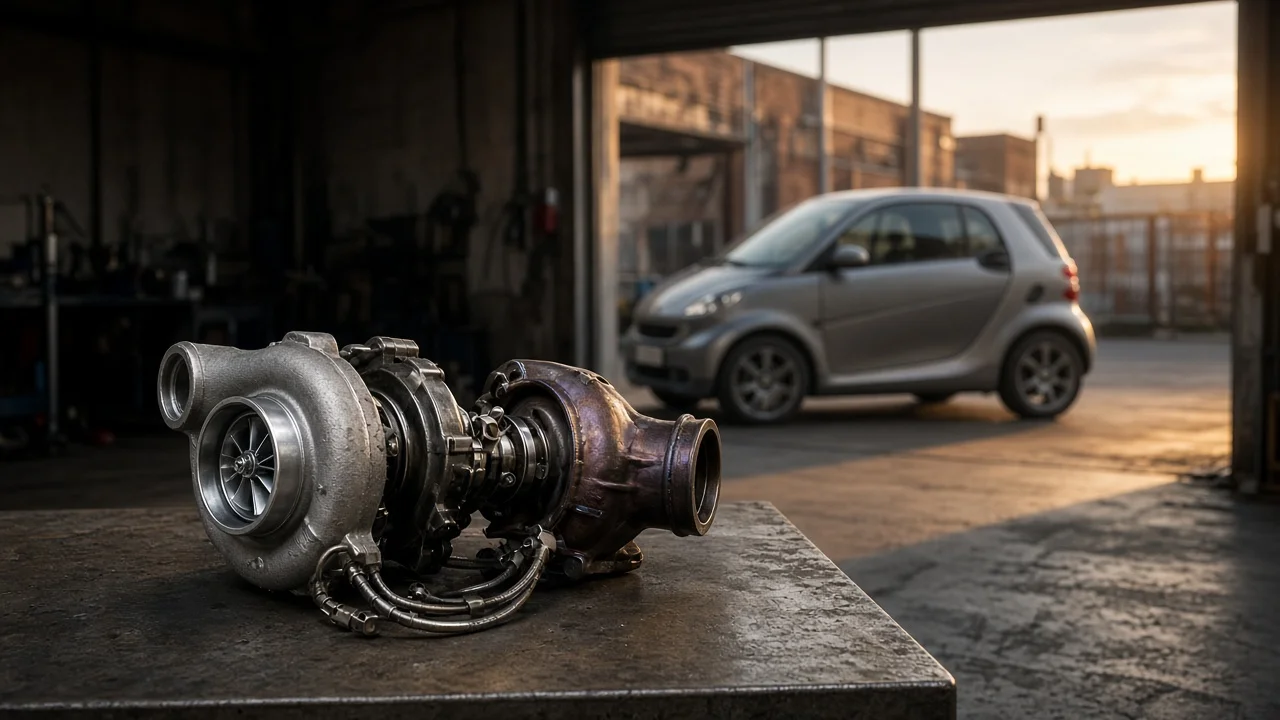
Finding the correct turbocharger for a Smart car requires matching more than a basic part number or a catchy listing. The compact engine bay, modest displacement, and integrated plumbing mean that fitment, boost pressure behavior, and the condition of oil and coolant passages all shape whether a replacement works properly. Because these cars were offered with several engine families and regional variations, the same visual housing can hide meaningful differences in compressor outlet position, wastegate calibration, hose connection size, and electronic controls. Buyers should treat the search as a compatibility exercise rather than a single product decision.
The direct answer
A turbocharger for a Smart car must be selected primarily by exact engine code and original equipment part number, not by body style or model year alone. The most direct answer is that a compatible replacement or equivalent aftermarket unit has to match the original mounting flange, oil feed and drain locations, coolant line routing where fitted, compressor inlet and outlet geometry, and wastegate or electronic actuator configuration. A unit that looks visually similar but comes from a different displacement or generation can create immediate driveability problems, require modified charge pipes, or fail to communicate with the engine management system.
Before buying, confirm whether the current turbocharger is actually the failed component. Boost pressure loss, oil consumption, scraping sounds, or stored fault codes can come from split boost hoses, pressure loss at hose connections, oil contamination in the charge-air system, or damaged intercooler plumbing. If the turbocharger itself is confirmed worn, balance the cost of a new or remanufactured cartridge against a complete replacement assembly. Either path still depends on correct identification of the original housing stamping and supporting parts rather than a generic listing for a small-displacement turbo.