Turbocharger Failure Symptoms and Common Problems
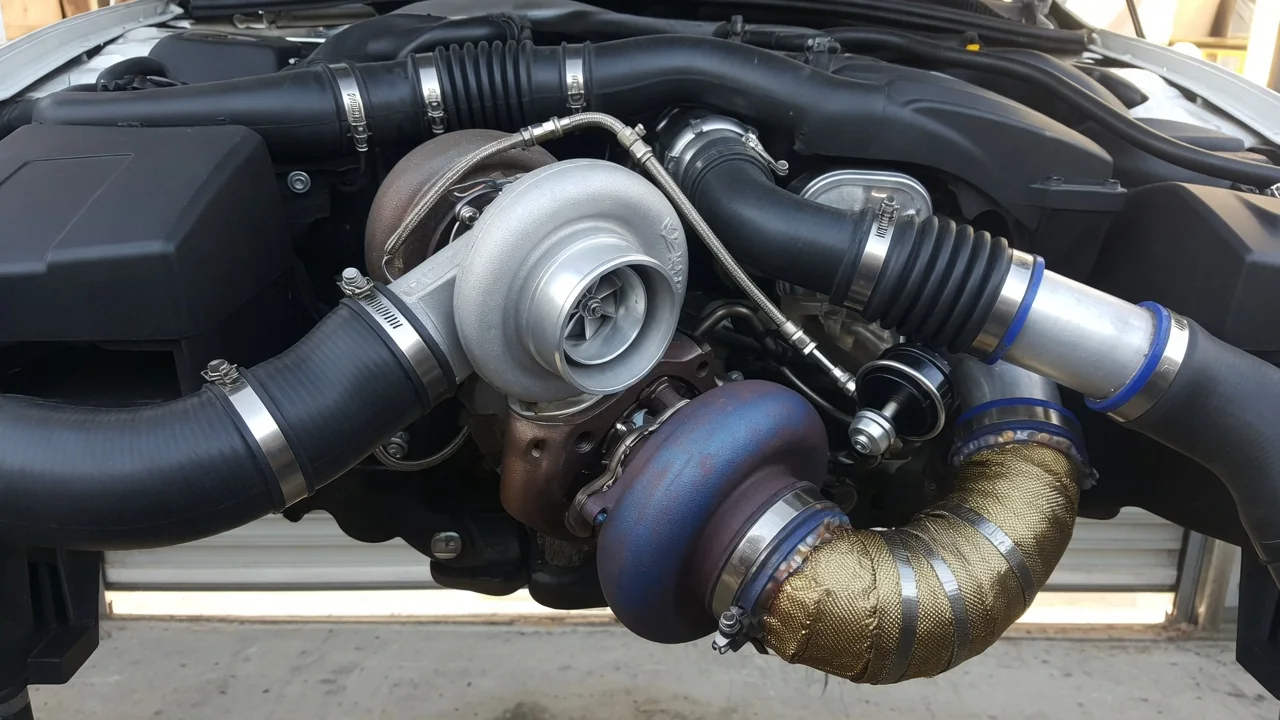
Turbocharger failure symptoms often appear as reduced performance, unusual exhaust smoke, new noises, or warning lights rather than a single obvious event. A failed turbocharger is one possible explanation among several turbocharger problems, including boost leaks, oil-supply issues, and control faults. Recording when signs of turbocharger failure started, and under what driving conditions, helps a technician interpret the pattern before any parts are replaced.
Symptoms That Can Point to Turbocharger Trouble
A drop in acceleration, hesitation under load, or a vehicle that feels capped in reduced-power or limp mode can be signs of turbocharger failure related to boost pressure, but they are not unique to a failed turbocharger. A charge air leak, restricted intake, wastegate actuator trouble, or a boost control limit can produce similar sluggishness. Inconsistent power delivery that comes and goes with engine speed or load is especially worth noting, because it often tracks when the system is asked to make boost rather than a constant mechanical drag.
Exhaust smoke, a new whistle, scraping, or a check-engine light can accompany turbocharger issues, yet each clue still needs context. Smoke color, whether the light appeared with a temperature change, and whether the noise follows boost demand all change how a technician reads the same complaint. Symptoms alone cannot confirm internal turbocharger damage. Useful details to record include when the symptoms began, engine temperature at the time, highway versus city driving, and any accompanying warnings or messages.
What Smoke, Oil Use, and New Noises Can Reveal
Blue-gray exhaust smoke can mean oil is being burned, but it does not establish where that oil entered the engine or exhaust. Oil can reach combustion from several paths, so visible smoke is a reason to investigate oil supply, seals, and ventilation rather than a diagnosis of turbocharger failure by itself. The same caution applies when oil mist appears after a hard pull: it is evidence of oil movement, not proof that the turbocharger has already failed.
Black smoke more often points to an air-delivery or fueling imbalance, and interpretation depends on engine type and how the engine meters fuel. A restricted intake or charge air leak can leave the mixture richer under load even when the rotating assembly is intact. New siren-like, scraping, or unusually loud whistling noises justify inspection without diagnosing a failed bearing by sound. Increased oil consumption or oil residue in intake plumbing requires investigation and does not independently prove turbocharger failure.
Power Loss, Warning Lights, and Boost Faults
Sluggish response or intermittent power loss can come from a charge air leak, a boost control fault, a sticking wastegate actuator, or engine-management limits that cut requested boost pressure. Those conditions can feel like turbocharger failure symptoms even when the turbine and compressor have not suffered internal damage. A leak after the compressor, for example, lets charge air escape before it reaches the engine, so measured performance falls while the turbocharger itself may still spin freely.
A check-engine light or limp mode identifies a need for diagnosis, not a specific failed component. Manufacturer-dependent codes require vehicle-specific confirmation of meaning and test procedure before anyone treats them as proof of turbocharger failure. Stored codes, freeze-frame snapshots, and a comparison of commanded versus measured boost help a technician decide whether the issue is a leak, a sensor, a control actuator, or the turbocharger. A fault code is evidence to interpret, not proof a part has failed.
Root Causes Behind Turbocharger Failure
Inadequate oil supply or contaminated oil can starve or score turbocharger bearings, because the assembly relies on a continuous film of clean oil at speed. Delayed oil pressure after a cold start, the wrong oil condition, or debris from earlier engine wear can all start that damage. Excessive heat and foreign-object damage are also possible causes of turbocharger issues; a broken fragment from the intake or exhaust can nick compressor or turbine blades, and overheating can cook oil into deposits that restrict flow.
Restricted oil drainage or crankcase ventilation problems can push oil past seals and into the intake or exhaust, creating leakage that looks like turbocharger failure even when bearings are still intact. Finding the initiating fault matters, because a replacement turbocharger will face the same oil supply, drainage, heat, or contamination conditions if those are left uncorrected. Diagnosis should therefore include why the original unit was stressed, not only whether it now shows wear.
Safe Observations and Tests Before Replacement
Owner checks belong on a parked vehicle with the engine off and cool. Look at visible hoses, clamps, and connections for cracks, looseness, or a charge air leak stain, and note any fresh oil or coolant residue without dismantling parts. Checking oil level according to the owner's manual and recording any change is useful, but a normal reading does not establish adequate oil pressure at the turbocharger. Those observations help a shop, they do not authorize disassembly at home.
A technician can pressure-check intake and charge-air plumbing, look for restricted intake paths, verify wastegate actuator and boost control operation, and compare relevant sensor readings with commanded boost. Professional oil-system testing and turbocharger inspection become appropriate when smoke, noise, oil consumption, or boost faults persist after leaks and control issues are ruled out. Replacement should follow evidence of the actual fault so a new unit is not fitted for a hose, sensor, or oil-supply problem that would simply repeat.
When to Stop Driving and Arrange Inspection
Pull over safely and shut the engine down for an oil-pressure warning, severe exhaust smoke, grinding or metallic noises, or a sudden substantial loss of power. Continuing to drive with those signs of turbocharger failure can add heat and debris that turn a containable turbocharger problem into broader engine damage. Uncontrollable engine speed is an emergency: stop the vehicle safely, evacuate when it is safe to do so, and call emergency assistance rather than opening the hood or trying to intervene around a running engine.
When serious symptoms occur, towing is the safer choice; avoid restarts and do not try to reproduce the fault on the road. Give the repair shop a timeline of turbocharger failure symptoms, any warning messages, oil-level observations, recent oil or intake work, and available fault-code records. That history, together with boost and oil-system tests, is what separates a failed turbocharger from other turbocharger issues that can look the same from the driver's seat.