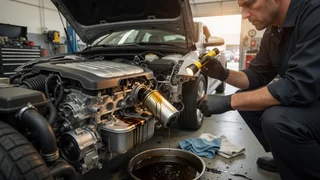
Troubleshoot low engine oil after an oil change
Seeing the oil level drop shortly after an oil change is unsettling, especially when the service was supposed to bring the lubrication system back to a known full condition. A low reading can mean the sump was never filled correctly, the engine consumed oil faster than expected, or the level was checked in a way that produced a misleading result. This guide explains how to interpret the dipstick, recognize operating conditions that affect oil volume, and separate a real loss from a measurement error before adding more lubricant.
Direct answer
The direct answer is that the vehicle should first be parked on level ground, left to sit briefly after shutdown, and checked with a clean dipstick before concluding the engine is actually low. Oil drains back to the pan slowly, and a reading taken on a slope, immediately after driving, or with the engine running can show a falsely low level. Temperature also matters, because warm oil expands slightly and changes the volume shown on the stick.
If the level is genuinely below the safe mark, common causes include an underfilled crankcase during the service, an incorrect fill quantity for that engine, oil absorbed by a new filter that was not pre-filled or primed, seepage past a loose drain plug or filter seal, and normal consumption through the PCV system or piston rings. Confirm the lubricant specification and manufacturer approval match the engine, then verify the service interval and recent driving conditions before suspecting a fault.
Interpreting symptoms and test results
A dipstick reading after an oil change reflects both the actual sump volume and the time allowed for oil to return from the cylinder head and oil galleries. On engines with large oil cooler lines or turbocharger supply pipes, several minutes may be needed. A reading taken immediately after the first start can be low simply because the filter housing and upper valvetrain are still filling. Rechecking after a short heat cycle gives a more useful level check.
Visible drips, wetness around the drain plug, or oil staining near the filter housing point toward an external leak. A smoky exhaust on deceleration or heavy oil consumption over a known mileage suggests internal consumption, but a single low reading is not proof of wear. If the level falls again after being topped up, record consumption against distance and inspect the valve cover, oil pan, front and rear seals, and filler cap area before changing parts based on an isolated reading.