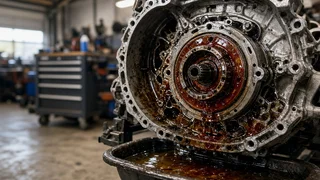
Transmission fluid warning symbol

A transmission fluid symbol in a car is a driver-facing alert that appears on the instrument cluster or driver information display when the powertrain control system detects a condition related to the transmission fluid. Depending on the vehicle and its display logic, this warning indicator may take the form of a gear with a thermometer, a gear with a fluid droplet, or a text-based display message such as Transmission Fluid Temperature High. Some vehicles show the symbol briefly during the initial diagnostic check when the ignition is turned on, then extinguish it once the operating status is confirmed normal. In other cases, the lamp or message illuminates while driving and should be read as a request to inspect conditions rather than automatic proof that the transmission has failed.
Essential answer
The transmission fluid warning symbol signals that a monitored value related to the transmission fluid has moved outside the normal operating range. The most common trigger is elevated fluid temperature, because automatic transmissions rely on the fluid to lubricate, cool, and transmit hydraulic pressure. A gear icon combined with a thermometer or wavy heat lines usually points to thermal stress, while a gear with an oil can or droplet is more likely to represent low fluid level or a pressure concern. The owner manual remains the best source for the exact symbol meaning on a particular model.
The same warning may appear under different circumstances. During a cold start, a brief illumination is often part of the instrument cluster self-test and does not indicate a fault. A steady warning that appears after prolonged load, hill climbing, towing, or stop-and-go driving suggests the transmission has been working harder than the cooling system can manage. A flashing warning or one paired with altered shifting, reduced power, or limp-mode behavior indicates a more urgent condition that requires reducing load and stopping when safe.
Diagnosing a problem
Start with conditions that can be observed without disassembly. Check whether the alert appears only after the transmission reaches operating temperature or whether it comes on immediately after startup. Note the driving situation: high ambient heat, sustained grades, heavy throttle, or towing can raise fluid temperature quickly and explain an intermittent warning. If the vehicle also produces delayed engagement, harsh shifts, or a burning odor, the fluid may be degraded or low, and the warning should not be dismissed as a sensor glitch.
A stored fault code or warning message is diagnostic evidence to interpret, not proof that a specific part has failed. For example, a transmission fluid temperature sensor code may point to the sensor circuit, wiring, or actual overheating. Manufacturer-dependent codes and display logic require vehicle-specific confirmation through a proper diagnostic check. If the warning is accompanied by slipping, banging into gear, or visible fluid leakage, avoid continued driving and arrange professional diagnosis rather than repeatedly clearing the message.