Trailer hitch won't go on ball
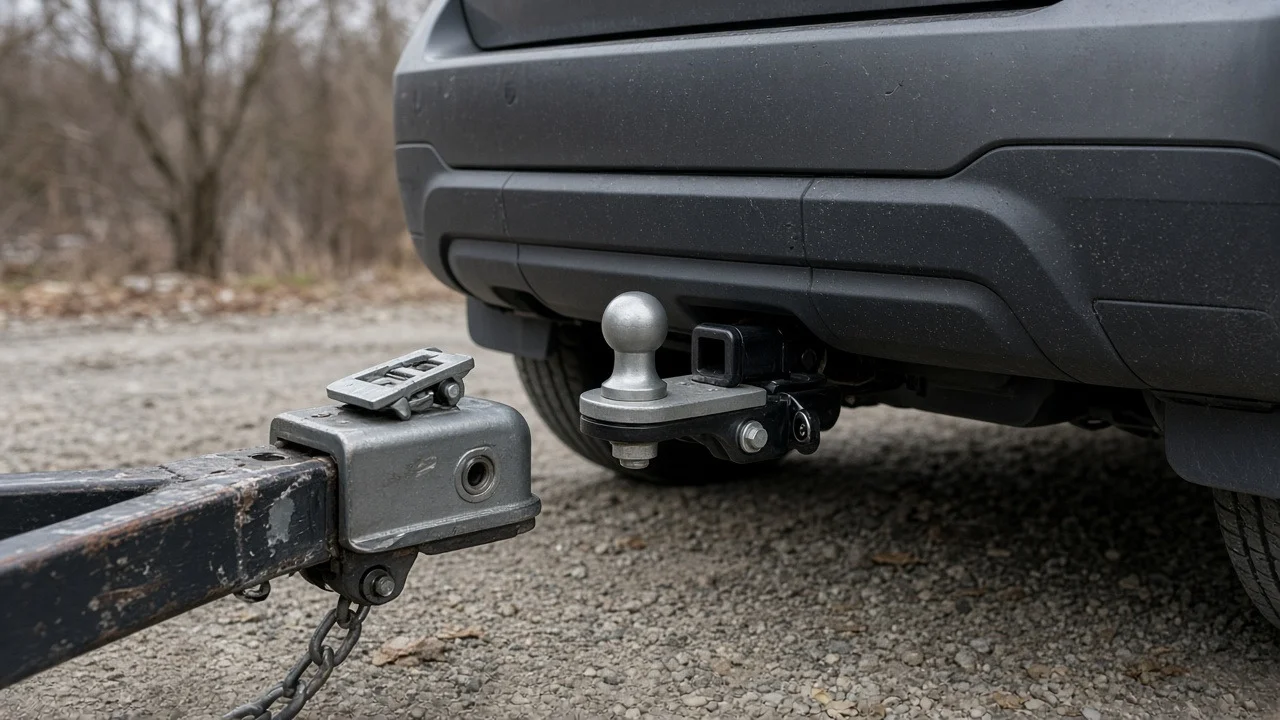
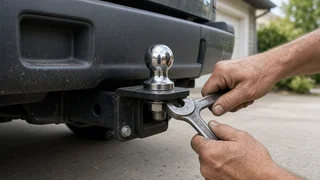
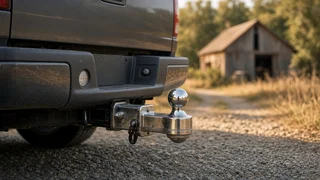
A trailer coupler that will not seat over the hitch ball usually points to a few mechanical mismatches rather than a failed tow vehicle. The problem can appear as a coupler that stops high, slides sideways, or sits down but refuses to latch. In many cases, rust, dirt, paint thickness, or an incompatible ball size changes the installation position just enough to block the locking mechanism. Sorting out why the trailer hitch won't go on ball means checking the ball diameter, the coupler's adjustment, and the latch alignment before forcing anything.
Essential answer
The essential answer is that a coupler typically will not drop onto a ball when their diameters do not match, when the latch is partially closed, or when debris and corrosion occupy the space the ball needs. A 1-7/8-inch coupler on a 2-inch ball, or the reverse combination, creates an interference fit that may look close but will not seat. The coupler's internal pocket and the underside latch jaw have to open far enough for the ball to enter, so a partly engaged release handle can also stop the trailer hitch from going down on the ball.
If the coupler drops on but will not lock onto the ball, wear, paint buildup, or a misadjusted latch nut is often the cause. Ball-mount platforms with thick powder coating or rust scale reduce the effective clearance between the coupler socket and the locking jaw. Cleaning the ball and coupler, confirming the correct size, and backing off the latch adjustment only when the mechanism is unloaded can restore the mechanical deterrent and let the access control close as designed. The fault is usually a setup condition, not a failed component.