Trailer hitch pin strength and weight rating

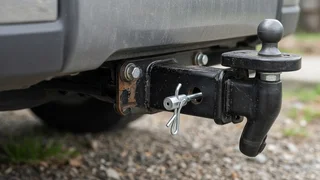
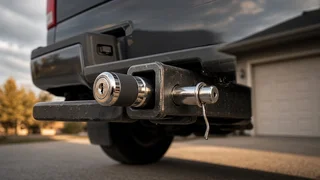
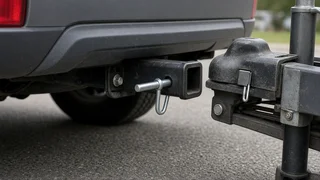
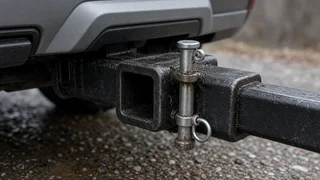
Choosing a trailer hitch pin is less about the pin alone than about how its strength and weight rating fit the complete towing setup. The pin retains the ball mount or hitch accessory inside the receiver, so its capacity must be read alongside payload, gross vehicle weight rating, combined weight rating, tongue weight, and axle rating. A trailer hitch pin rating can describe the pin’s shear strength, the load range of the attachment system, or the receiver configuration it is designed to secure. Understanding that scope prevents a small hardware item from becoming the weak point in a larger tow connection.
Essential answer
A trailer hitch pin rating indicates the load the pin is intended to handle as part of the receiver hitch connection. In common use, the rating may refer to the pin’s material strength, its diameter and length for the receiver configuration, or the gross weight rating of the hitch assembly where the pin is installed. Because the pin works in shear rather than in direct tension, its failure mode depends on how the ball mount applies force inside the receiver tube.
Comparing trailer hitch pin strength and trailer hitch pin weight rating helps owners match hardware to the towed load. The pin should not be rated below the trailer’s tongue weight or the hitch’s gross vehicle weight rating, and the entire setup must stay within the vehicle’s payload and combined weight rating. A properly sized pin preserves the hitch connection, but it does not increase the receiver’s capacity or correct an overloaded axle rating.