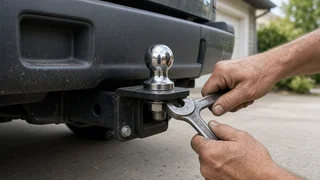
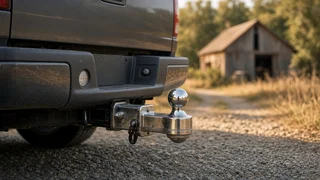
Trailer hitch ball noise
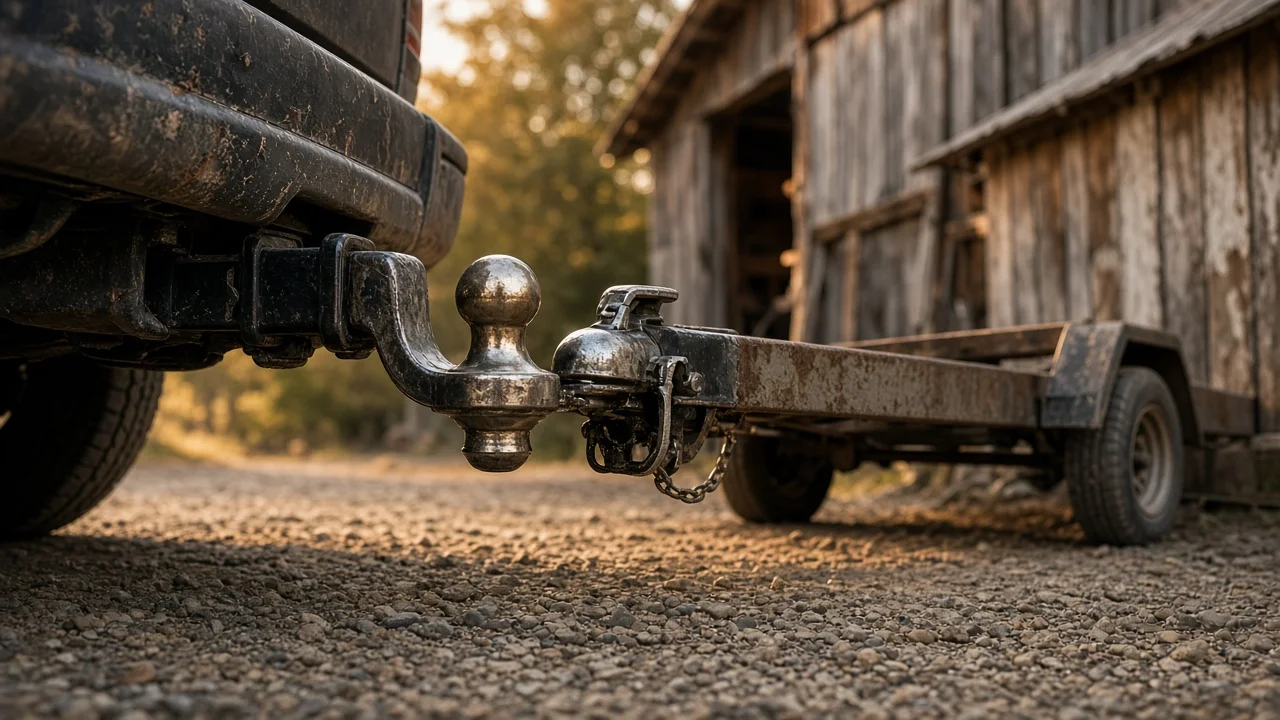
A metallic clunk, squeak, or rattle from the rear while towing often traces back to the hitch ball connection. Trailer hitch ball noise can be alarming, but it usually reflects normal movement between the ball and coupler or simple wear at the mating surfaces. Evaluating the sound alongside load factors such as tongue weight and axle rating helps distinguish harmless play from a condition that needs correction before it damages the hitch, coupler, or trailer frame.
Essential answer
Trailer hitch ball noise is typically caused by small relative motion between the ball and the coupler socket. When the tow vehicle accelerates, brakes, or crosses uneven pavement, the coupler can rock slightly on the ball. If lubrication is absent, the dry metal surfaces transmit that movement as clunking, groaning, or squeaking. The sound is not automatically a sign of imminent failure, but it means the connection is not as snug or damped as it should be.
The most relevant qualification is whether the ball diameter matches the coupler size. A 2-inch coupler on a 1-7/8-inch ball, or a mismatched metric ball, leaves clearance that produces pronounced rattling and reduces safe load transfer. Worn components create a similar effect even with correct sizing. Before chasing the noise, confirm that the hitch ball, coupler, and receiver configuration are compatible and that the trailer's tongue weight falls within the vehicle's gross vehicle weight rating and combined weight rating.