Tractor Tire Tread Depth Gauge
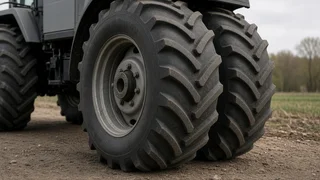
Choosing a tractor tire tread depth gauge is less about buying the most complex tool and more about matching the gauge to how you inspect equipment on your property. A useful gauge should reach into the deep, wide lugs of agricultural tires, give consistent readings across a bar or R-1 pattern, and tolerate dirt, moisture, and shop use. The right tool helps you judge whether remaining tread can still deliver traction in soft ground or whether uneven wear is pointing to inflation pressure or drivetrain compatibility problems.
The direct answer
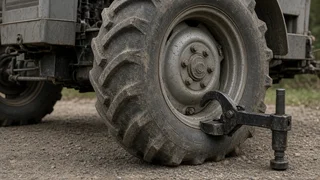
The most practical choice is a gauge designed for deep agricultural tread, with a probe or body that seats on top of the lug rather than inside a narrow passenger-car groove. Many tractor tread patterns have lugs far taller than the shallow channels found on light-truck tires, so a standard automotive gauge may bottom out or give misleading readings. Look for a scale that is easy to read in low light and a contact face broad enough to bridge mud cracks or rounded edges.
A dial or sliding-stick design works well when it can measure from the lug face to the base of the groove without tilting. Accuracy matters more than digital features, and repeatability is what makes a reading useful when checking the same tire over time. Confirm that the tool can be cleaned easily and that the sliding parts stay free in dusty conditions. This combination of reach, stability, and simple maintenance fits the way tractor tires are actually inspected.