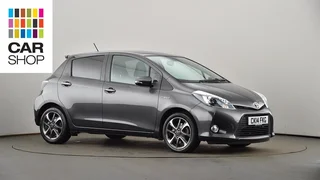
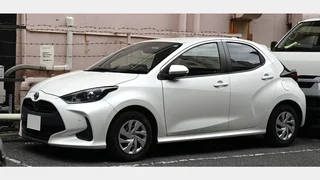
Toyota Yaris as a first car
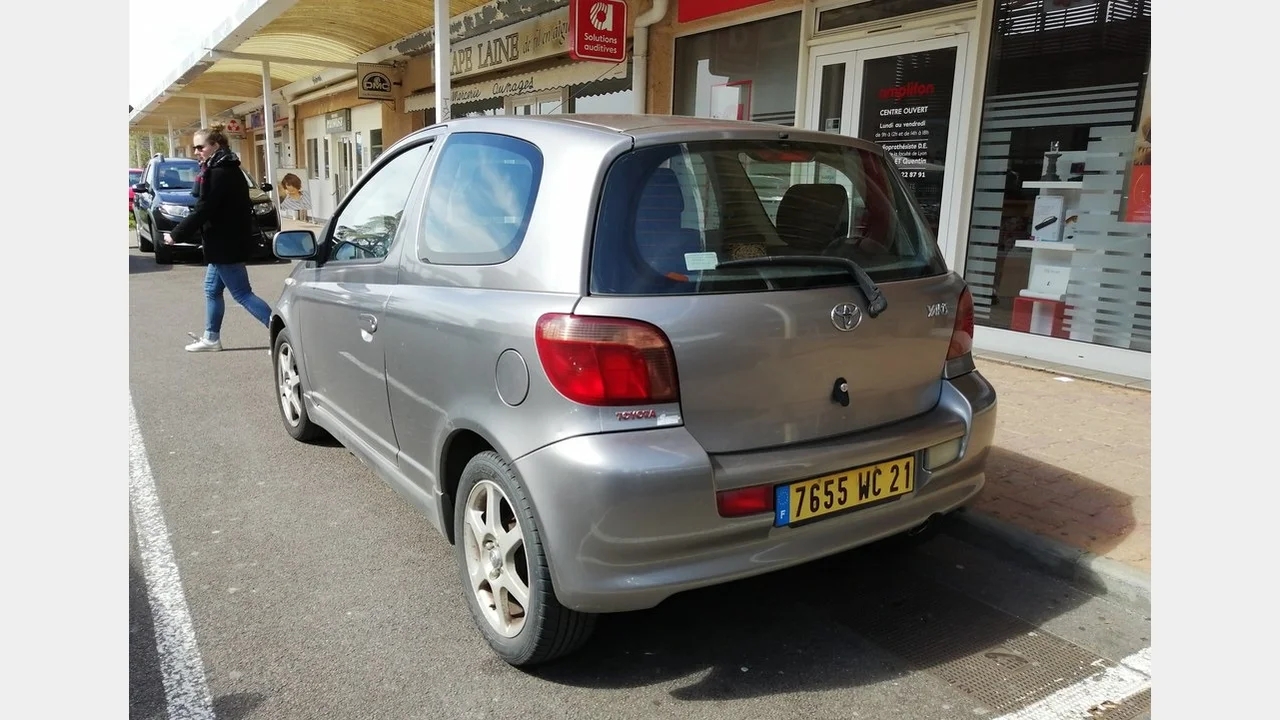
For many new drivers, the Toyota Yaris raises a simple but important question: is it a good first car? The answer depends on how the car’s size, visibility, operating costs, and predictable road manners fit a beginner’s needs. Model year, body style, trim level, powertrain variant, and market specification can all change the experience, but the Yaris has generally been built around efficient packaging and low-stress commuting. Evaluating it as a first vehicle means looking beyond the badge and considering how a specific example will behave in daily traffic, parking lots, and the first months of independent driving.
Essential answer
The Toyota Yaris can be a sensible first car for many buyers because it typically combines a small footprint with straightforward controls and predictable handling. Its compact dimensions make low-speed maneuvers such as parallel parking and tight turns easier to learn than a longer sedan or wider SUV. The elevated seating position in some hatchback generations also improves forward visibility, helping a new driver judge curbs and traffic gaps sooner. However, the suitability of any specific Yaris depends on its model generation, body style, transmission, and accident or maintenance history rather than the nameplate alone.
A first car should reduce the mental workload of driving, and the Yaris generally does that through light steering, clear sightlines, and modest power delivery. Less aggressive acceleration gives a learner time to observe traffic and plan lane changes without being pushed into hurried decisions. In stop-and-go city driving, the small turning radius and short rear overhang make U-turns and alley parking less intimidating. Still, a buyer should compare hatchback and sedan versions, because cargo access and rear visibility differ between those body styles and can affect how confidently a new driver handles everyday errands.