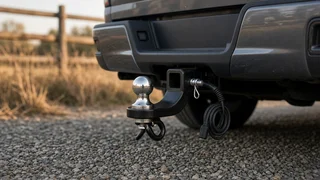
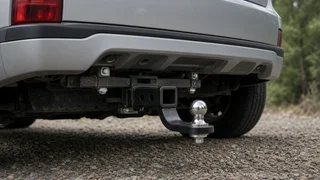
Toyota trailer hitch ball mount
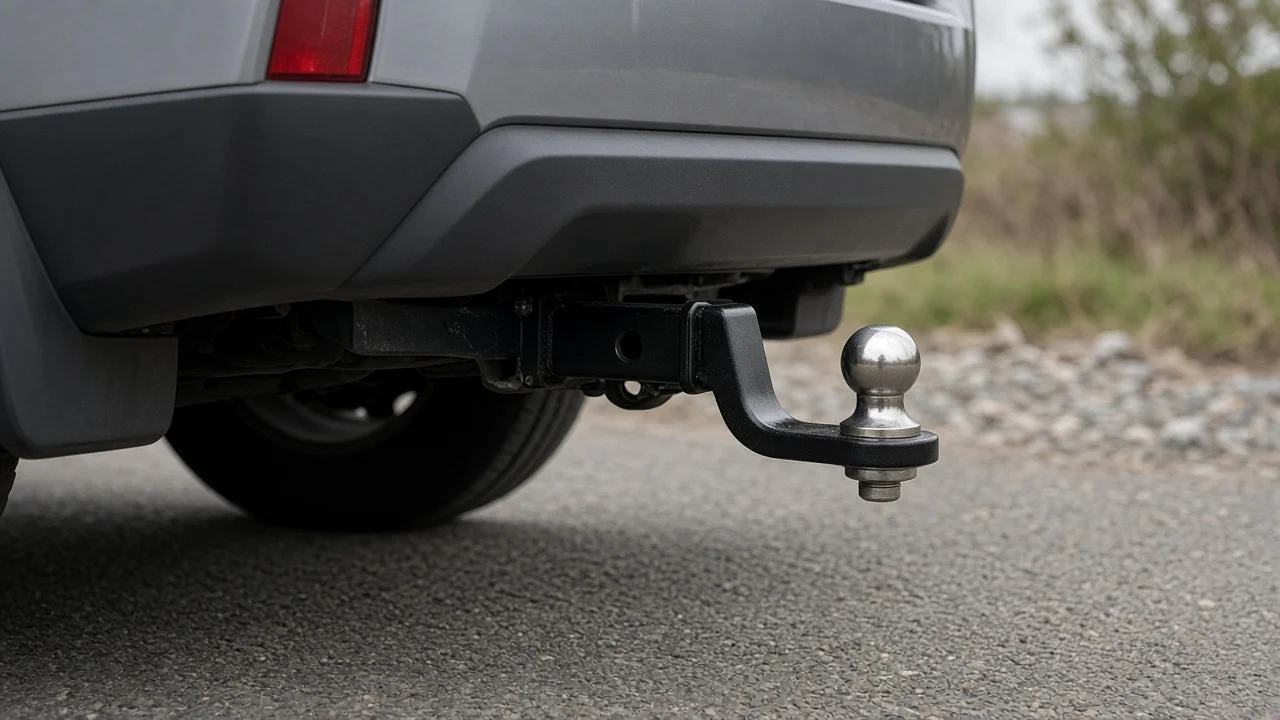
Choosing a Toyota trailer hitch ball mount comes down to matching the ball shank to the receiver tube and setting the trailer coupler height correctly. The right part reduces sway, keeps load forces aligned, and protects the rear suspension from unnecessary stress. Buyers should compare rise or drop, shank diameter, ball diameter, and finish rather than selecting only by the Toyota name. A ball mount is a consumable towing component, so the details matter more than brand familiarity.
The direct answer
The immediate choice for a Toyota trailer hitch ball mount depends on the receiver opening size and the height difference between the hitch and the trailer coupler. If the coupler sits level when the truck or SUV is loaded, a straight mount often works. When the coupler sits below the receiver, a drop mount lowers the ball; when it sits above, a rise mount raises it. Confirm the shank fits the receiver, typically meeting the same dimensional class, and verify the ball diameter against the coupler stamping before towing.
A ball mount cannot make a vehicle exceed its ratings. The mount, ball, and pin each add a small amount of weight and leverage, so the loaded trailer tongue weight should sit comfortably inside the Toyota tow rating and the mount capacity. Because stabilizer hardware, bike racks, or cargo carriers can change how the load pulls on the hitch, the safest setup treats tongue weight, payload, and axle load as related limits rather than separate numbers.