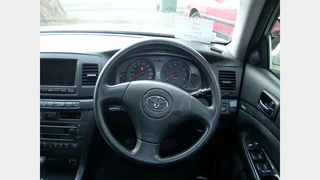
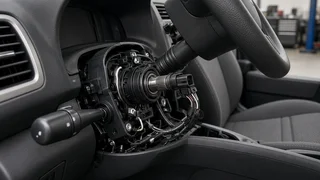
Toyota Tacoma 2018 steering angle sensor
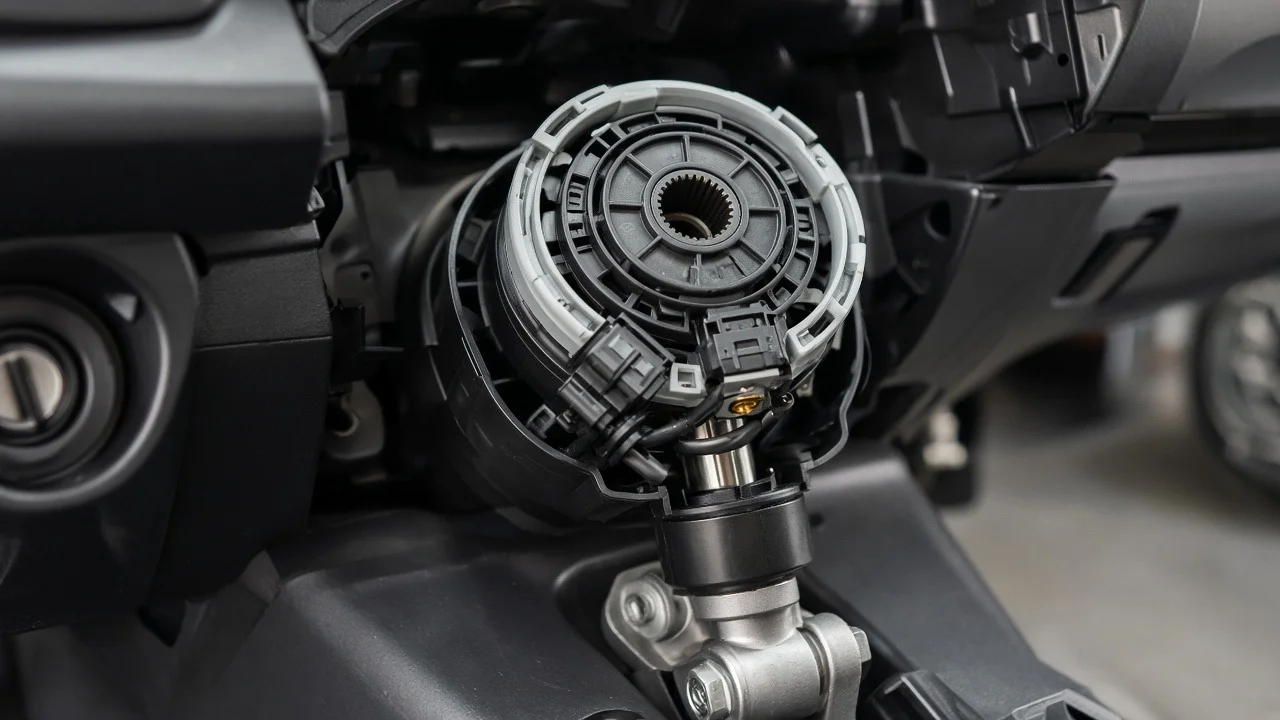
A steering angle sensor issue on a 2018 Tacoma usually appears through warning lights, altered steering effort, or traction control behavior that does not match the road conditions. This sensor measures how far and how quickly the steering wheel is turned, helping the stability system understand driver intent. Because the reading influences braking and throttle intervention, an inaccurate value can create confusing symptoms that feel like alignment or brake faults. The following overview explains what the component does, how it can misbehave, and which practical checks help separate a sensor concern from other front-end problems.
Essential answer
The steering angle sensor is an input device that reports steering wheel position to modules controlling stability and traction functions. On this generation of Tacoma, it is typically associated with the steering column area, where a rotating sensor or combination of sensors reads direction, angle, and rate of turn. The value is compared with yaw, wheel speed, and lateral acceleration data so the vehicle can recognize oversteer or understeer. A zero-point error, internal fault, or communication interruption can make the system react unnecessarily or disable assistance functions until the signal is plausible again.
A 2018 Tacoma does not use the steering angle reading only for stability control. The signal can affect electronic power steering assist behavior and may be referenced when diagnosing a pull, a crooked wheel, or an intermittent traction light. Before replacing the sensor, the practical path is to inspect related inputs and reset the zero point with a compatible scan tool, since an incorrect learned center is a common cause. Understanding that the code identifies a signal problem rather than a failed part helps avoid unnecessary replacement.