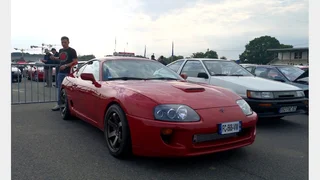
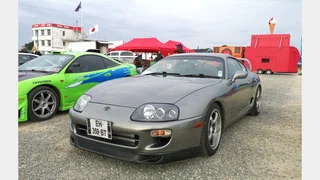
Toyota Supra as a dream car
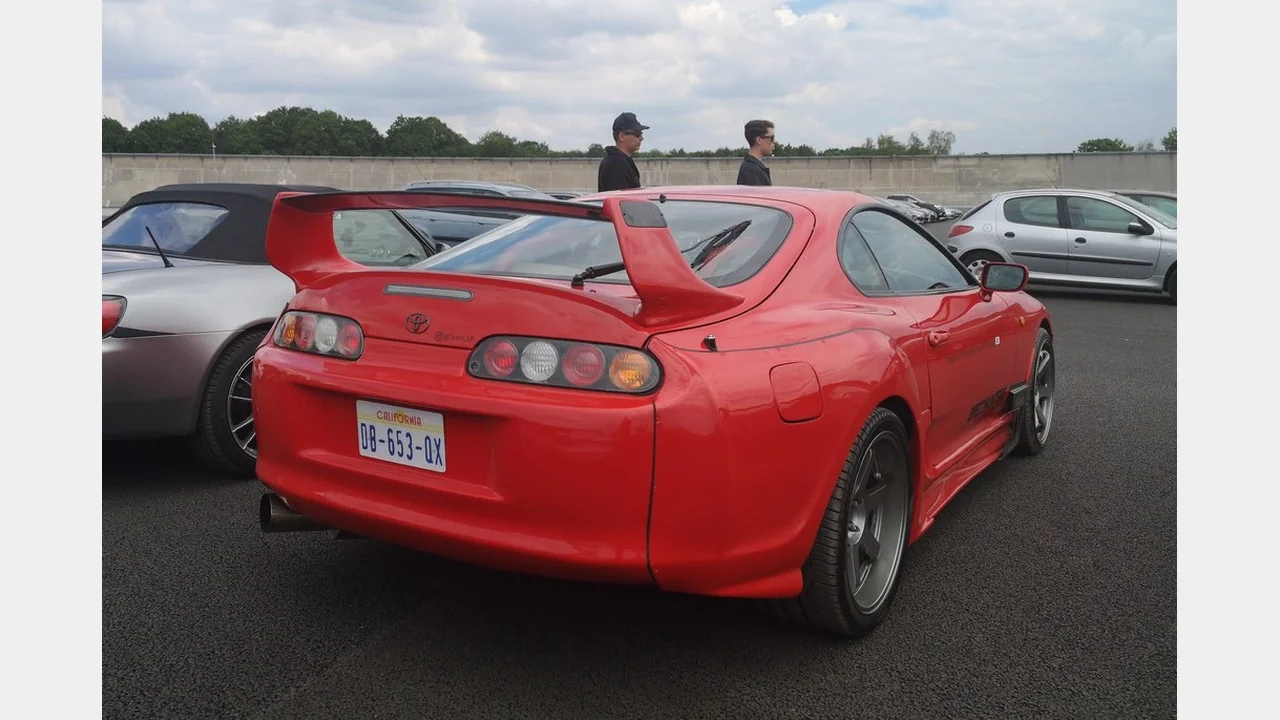
The Toyota Supra has earned a place in enthusiast culture as a dream car, blending distinctive body styling with rear-wheel-drive powertrain configurations that reward driver involvement. Depending on the model generation and model year, it represents different ideas of performance: turbocharged grand touring capability, tuner-friendly architecture, or a modern two-seat sports coupe. For many, calling it a dream car reflects emotional appeal as much as measurable speed, and understanding the market specification, trim level, and powertrain changes across generations helps explain why the nameplate remains aspirational rather than merely nostalgic.
Essential answer
The essential answer is that the Toyota Supra occupies a unique middle ground among attainable performance cars. Its long hood, rear-wheel-drive layout, and historically inline-six powertrain configuration create a mechanical identity distinct from front-engine economy coupes or all-wheel-drive rivals. Body style has shifted from liftback grand tourer to fixed-roof two-seat sports car, but the core promise remains a driver-focused coupe that responds well to smooth throttle and steering inputs. Because trim levels and model years vary, the dream-car label often reflects a specific generation rather than a single universal definition.
A prospective owner should identify which Supra era matches that desire. Early generations leaned toward comfortable high-speed touring, while later versions became sharper and more focused. Market specification also matters because equipment and engine calibration can differ by region even when the silhouette looks similar. Knowing whether the appeal comes from classic styling, tuner heritage, or modern chassis balance will shape realistic expectations for maintenance, parts availability, and daily usability. That clarity turns a broad dream-car search into a useful decision about ownership or continued admiration.