Toyota Sienna 2011 steering angle sensor
A 2011 Toyota Sienna steering angle sensor measures how far and how fast the steering wheel is turned, reporting that data to modules controlling stability and traction systems. When readings drift or drop out, drivers may notice warning lights, altered power assist, or odd brake behavior during turns. Because this sensor contributes to several networked functions, a fault in one area can produce confusing symptoms. Understanding its role helps owners separate sensor-related issues from alignment, wiring, or fuse concerns before replacing parts.
Essential answer
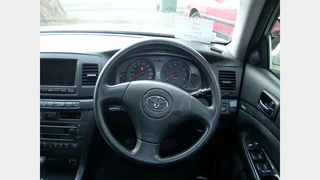
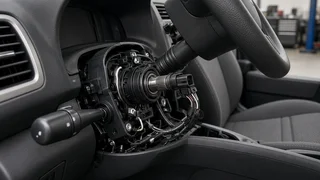
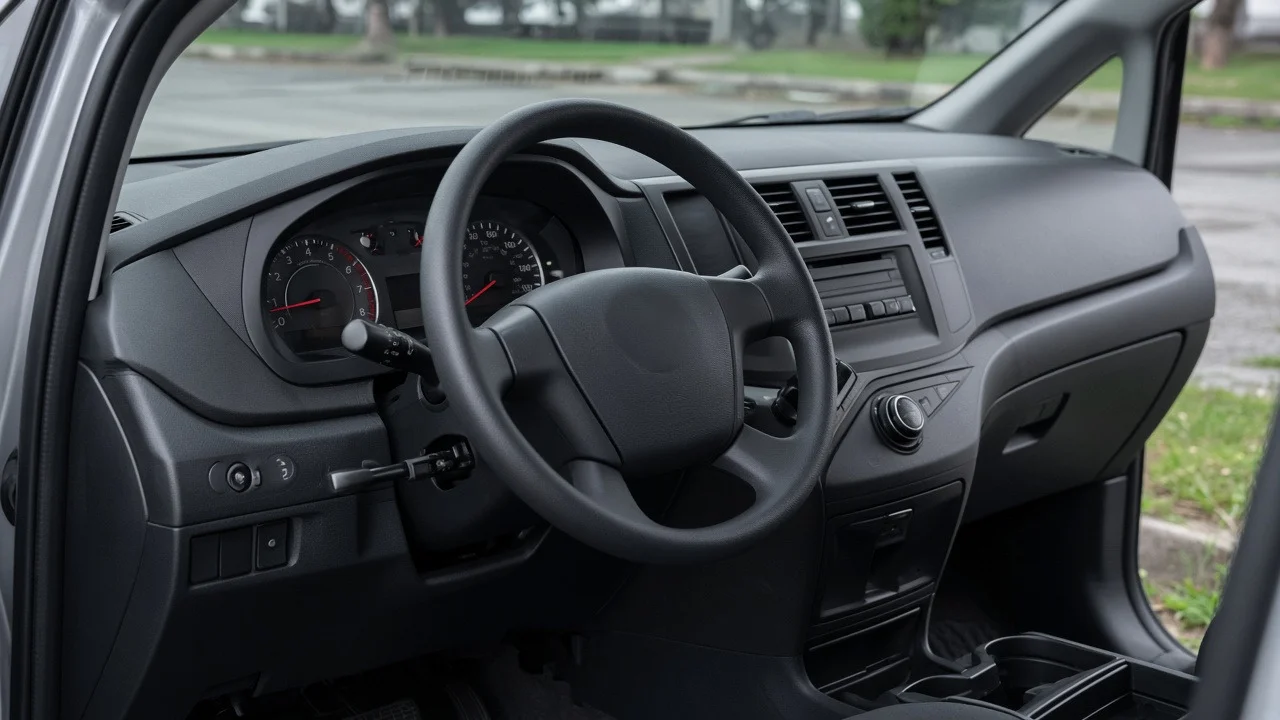
The steering angle sensor in a 2011 Sienna is an electronic input device mounted in the steering column or clock spring area. It tells the vehicle stability control system the driver’s intended direction by tracking wheel position relative to center. This signal helps the anti-lock brake and traction-control computers decide whether the van is following the path the driver is requesting. The sensor itself is not a wear item like brakes, but its location and electrical connections can degrade, causing intermittent or hard failures that affect driver-assist behavior.
Diagnosis starts with reading fault codes, but a code only points to a circuit or data plausibility problem rather than proving the sensor is bad. Wiring, connector corrosion, a low battery, or a steering column component that has been disturbed can all create similar trouble codes. Wheel alignment and suspension work may also trigger a steering angle sensor relearn because the sensor’s zero point must match straight-ahead travel. Checking joint play and mounting points around the column helps rule out mechanical movement that confuses the sensor before replacement is considered.