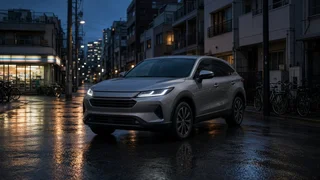
Toyota self-driving cars in 2020
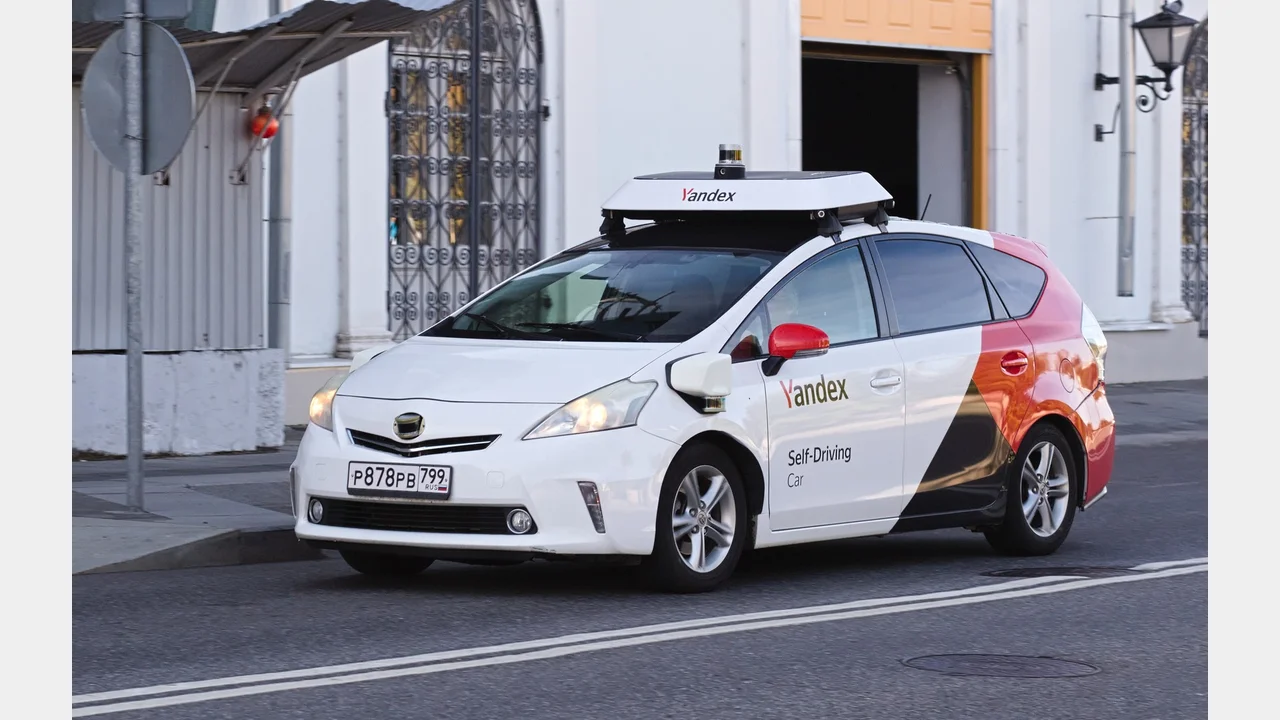
Toyota’s path toward self-driving cars in 2020 looked different from the aggressive robotaxi storylines promoted by some competitors. The automaker generally emphasized driver assistance and safety rather than claiming full autonomy was ready for public roads. For shoppers researching a Toyota self driving car 2020, that distinction matters. It shaped the available model year technologies, trim level features, and body style choices across the lineup. Understanding the market specification in the US helps clarify what the hardware could and could not do — and what that meant for real-world driving.
Essential answer
Toyota did not sell a hands-free, fully self-driving passenger car to the public in 2020. Instead, the brand expanded its advanced driver assistance systems, primarily through packages such as Toyota Safety Sense and the more capable Lexus-oriented hardware appearing on certain high-spec models. The technology handled steering, braking, and throttle under limited highway conditions, but the driver remained responsible. This approach reflected a careful engineering strategy focused on gradual deployment rather than a sudden leap to autonomy.
The powertrain configuration and model generation also influenced the experience. Hybrid and gasoline vehicles could carry the same sensor and software suite, so the assistance behavior was not tied to one engine type. Yet the exact capabilities varied by trim level and market specification. A US-market sedan with a top-tier package might include lane tracing and adaptive cruise, while a base crossover could offer a simpler collision warning setup. Buyers had to verify the specific feature set for each vehicle.