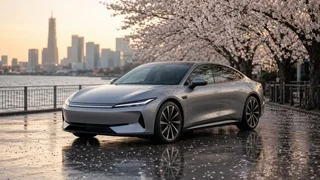
Japanese electric cars in 2020
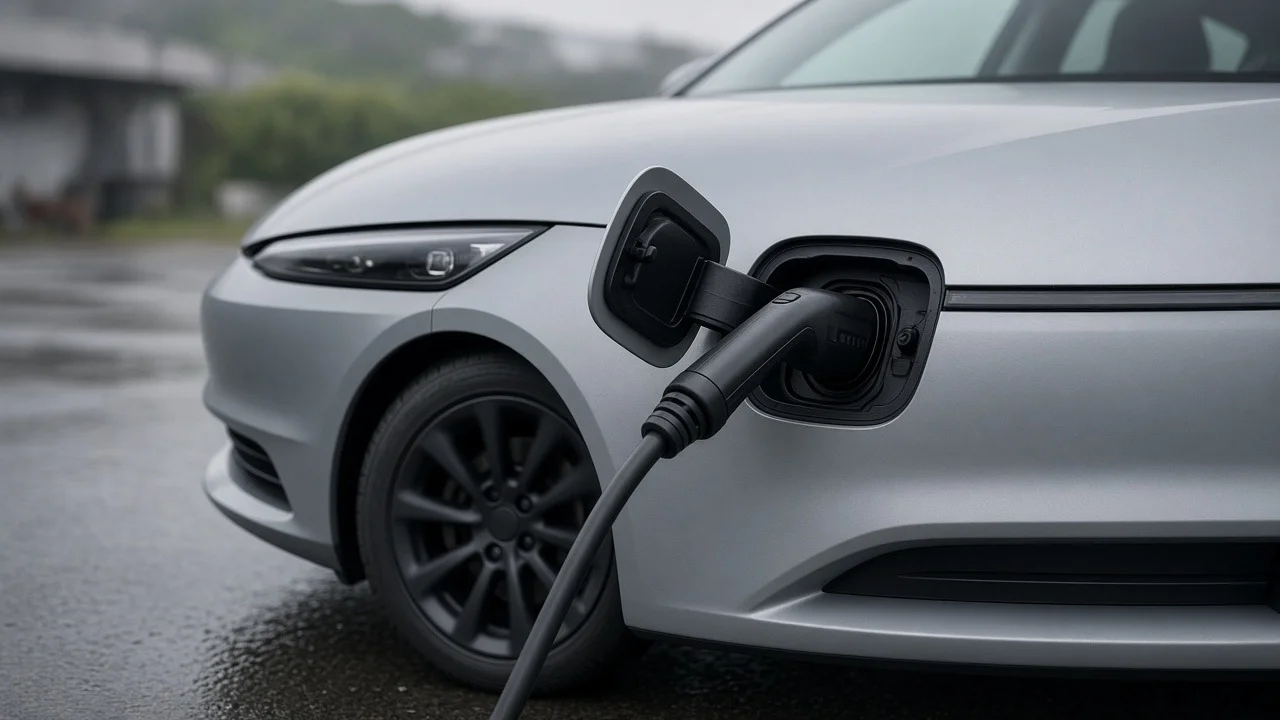
The 2020 model year marked a decisive shift for Japanese electric cars, moving battery-electric mobility from experimental niches into more familiar dealership categories. Shoppers examining this period often want to know which body configurations, equipment levels, and powertrain options were actually available in the United States, and how regional availability shaped the market segment. Understanding the Japanese electric cars 2020 landscape means looking past a single headline vehicle and seeing how established automakers translated electrification into practical, ownership-focused designs.
Essential answer
Japanese electric cars in 2020 were defined less by a crowded field than by a small number of carefully positioned models that prioritized usability over raw performance. The most visible example was the Nissan Leaf, which had already established itself as a mainstream battery-electric hatchback. Its availability in multiple equipment levels and a longer-range Plus variant meant buyers could weigh cost against driving distance, making the technology accessible to commuters rather than limiting it to early adopters seeking a statement vehicle.
The model year also showed a different philosophy than some competitors by keeping electric powertrains within conventional body configurations. Instead of radically reshaping the car around the battery, many Japanese entries retained familiar five-door layouts and interior packaging. This approach preserved everyday cargo access and passenger ergonomics. Regional availability varied, but the overall trend pointed toward electric propulsion as a powertrain option within a normal model range rather than a separate, low-volume experiment.