Toyota RAV4 Brake Pad Replacement: What to Know Before You Start
The short answer
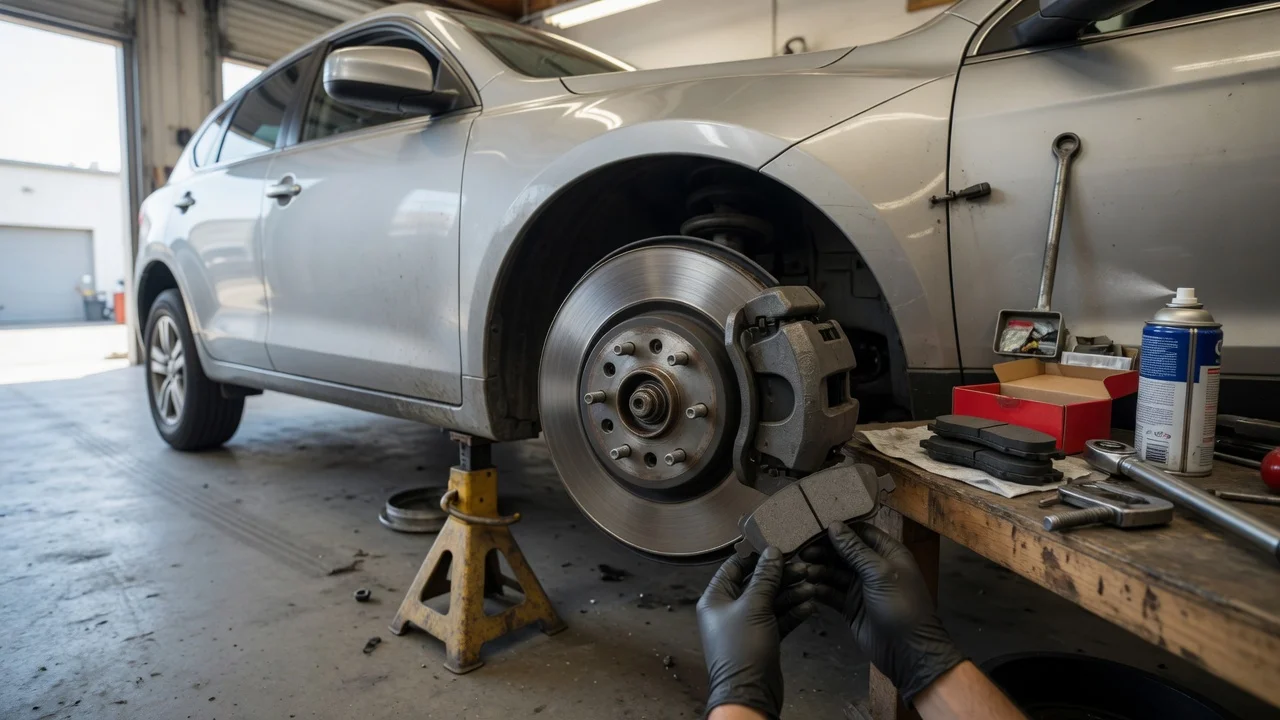
Replacing the brake pads on a Toyota RAV4 is a routine maintenance job. The worn friction pads in each disc brake caliper are removed and new ones are fitted. The caliper is the clamp that squeezes the pads against the rotor, the metal disc that turns with the wheel. The job is usually done one axle at a time, front or rear, so that braking stays even from side to side.
The exact procedure is not the same for every RAV4. It depends on the model year and generation, on whether the vehicle is a conventional gasoline model or a hybrid, and on the parking brake design. Confirm these details for your specific vehicle before buying parts or starting work.
What the job generally involves
Securely lifting and supporting the vehicle, then removing the wheels on the axle being serviced. Removing the caliper or swinging it out of the way to reach the pads, without letting it hang by the brake hose. Removing the old pads and any hardware such as anti-rattle clips or shims. Inspecting the rotors for wear, scoring or damage, and deciding whether they need resurfacing or replacement. Cleaning and lubricating the contact points specified for the caliper and slide pins. Retracting the caliper piston so it clears the thicker new pads. Installing the new pads and hardware, refitting the caliper, and tightening fasteners to the specified torque. Checking the brake fluid level and pumping the brake pedal to seat the pads before driving. Bedding in the new pads according to the pad manufacturer's instructions.
Factors that change the procedure
Generation and model year: The RAV4 has gone through several generations, and caliper design, pad shape, rotor dimensions and fastener specifications can differ between them. Pads and hardware should be matched to your exact model year, and often to the trim or drivetrain as well.
Hybrid models: RAV4 Hybrid and plug-in hybrid versions use an electronically controlled braking system that works alongside regenerative braking. Toyota's service information for its hybrid vehicles includes precautions for brake work, such as steps to keep the system from pressurizing while the brakes are disassembled. Check the procedure for your specific vehicle before starting work on a hybrid RAV4.
Rear brakes and the parking brake: Some RAV4 versions have an electronic parking brake. On those vehicles, servicing the rear pads may require putting the parking brake into a maintenance mode or using a scan tool so the rear caliper pistons can be retracted. Confirm which parking brake design your vehicle has and follow the matching rear brake procedure.
Pads only, or pads and rotors?
Whether the rotors also need attention depends on their measured thickness and condition, not only on the pad mileage. Toyota publishes a minimum rotor thickness for each application. Signs that warrant a closer look at the rotors include pulsation through the brake pedal, visible deep grooves, and heat discoloration.
DIY or shop?
Pad replacement is a common do-it-yourself job for owners who have the right tools, a safe way to support the vehicle, and access to the correct torque specifications. Brakes are safety-critical, so mistakes such as loose caliper bolts, contaminated pads or a reversed component can have serious consequences. This is an editorial judgment rather than a test finding: hybrid models and vehicles with electronic parking brakes add steps that may favor a dealer or an independent shop if you are unsure of the procedure.
Information this guide does not provide
No verified data was available for this article on torque specifications, minimum pad or rotor thickness, replacement intervals, part numbers or typical costs. These values vary by model year, generation, powertrain and market. Take them from Toyota's official repair information or your owner's manual for your exact vehicle rather than from general estimates. Pad lifespan in particular depends heavily on driving style and conditions, so there is no single correct mileage.