Toyota Prius EGR Valve: Symptoms, Cleaning and Replacement
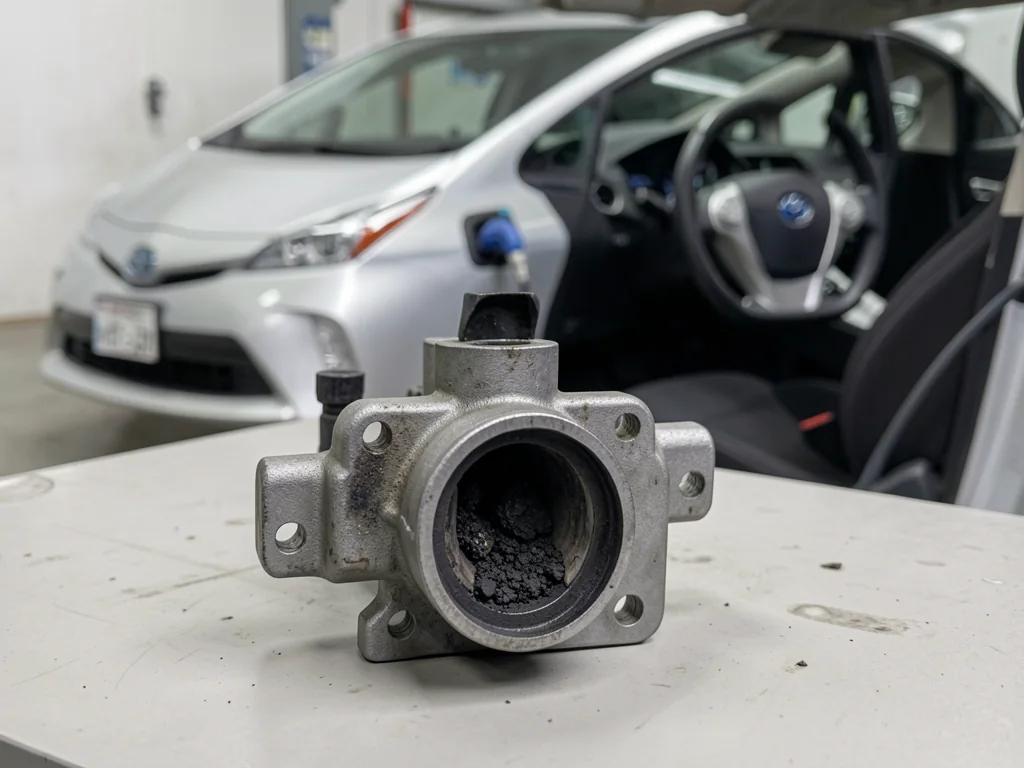
The Toyota Prius EGR valve meters recirculated exhaust so the gasoline engine can run cooler and cleaner. On a 2010 Prius, carbon deposits in the valve, cooler, or intake passages can cause rough idle or insufficient EGR flow. Readers should confirm model year before applying 2010 layout notes to a 2008, 2011, 2012, or 2013 vehicle, then decide between cleaning and replacement.
Identify the Prius Model Year and EGR Equipment
A Toyota Prius EGR valve is not a one-size part. Before anyone hunts for an EGR valve for a 2010 Toyota Prius or asks about a 2008 Prius EGR valve location, record the model year, engine, market, and VIN. Those details decide whether the car even uses the external exhaust gas recirculation hardware a reader may be picturing, and they keep a 2010 Prius EGR valve listing from being treated as interchangeable with earlier or later cars. Appearance in the engine bay is not a substitute for that identification.
Information written around the 2010 Toyota Prius EGR valve should not be applied automatically to a 2008 vehicle. Some Prius generations and markets route exhaust differently, so a location description that assumes an external valve, cooler, and connecting pipe may not match what is actually fitted. For a 2011 Prius EGR valve, a 2012 Prius EGR valve, or a 2013 Prius EGR valve, use vehicle-specific service information to confirm layout and parts applicability rather than copying 2010 landmarks or a generic Toyota Prius EGR valve catalog line.
How the Prius EGR Valve Fits Into the Gas Flow Path
Exhaust gas recirculation meters a controlled amount of cooled exhaust back into the intake so peak combustion temperature stays lower and certain emissions stay in check. On a Prius that uses this hardware, the EGR valve is the metering device: it opens and closes under command so flow is neither wide open nor fully blocked when the control strategy calls for a specific rate. Downstream of the valve, an EGR cooler and connecting passages, where fitted, drop the gas temperature before it reaches intake distribution passages that feed the cylinders.
Carbon deposits form as that recirculated stream cools and mixes with oil vapor and combustion residue. Buildup can restrict the cooler, connecting pipe, or intake passages, and it can also keep the valve from seating or opening as commanded. Restricted flow can set a diagnostic path such as insufficient EGR flow without proving the valve itself has failed. A stuck or sluggish valve actuator is only one possible cause; a clean-looking valve can still sit in a clogged path, so replacement is not established by restriction alone.
What to Confirm on a 2010 Prius
On a 2010 Toyota Prius, the EGR valve is identified from that year's service illustration, not from a generic Prius photo. Use the labeled engine-bay landmarks in the vehicle-specific diagram to find the valve body and actuator, then distinguish them from the EGR cooler and the connecting pipe that carries recirculated gas. Those three pieces sit in one flow path, so a part that looks like a valve in an unlabeled picture may actually be the cooler. Restricted access around connected components also changes how far an inspection can go without disturbing neighboring hardware.
Because access is tight, inspection and Toyota Prius EGR valve replacement on this layout often include more than the valve itself. Connected pipes, the cooler, and nearby intake hardware may have to be moved or cleaned if they are in the way or if they share the same carbon restriction. Order an EGR valve for 2010 Toyota Prius use only after VIN-based part identification. A listing that merely says Prius, or a component that resembles the 2010 piece, is not enough to confirm fitment, seals, or actuator type.
Symptoms and Checks That Support an EGR Diagnosis
Rough idle, hesitation, misfire-like shake, and a check-engine light can appear when recirculation is not following command, but each clue has other common causes on a hybrid gasoline engine. Diagnostic trouble codes that point toward insufficient EGR flow or a valve-circuit problem set a direction for testing; they do not prove the 2010 Prius EGR valve has failed. Manufacturer-dependent code definitions must be confirmed for that VIN before anyone treats a stored number as a parts order. Record when the symptoms occur and save the scan results for the shop.
Leave running-engine components untouched while gathering that history. A technician can then compare commanded valve operation with actual movement, check electrical function at the actuator, and look for flow restrictions in the cooler and intake passages. Severe shaking, a flashing check-engine light, overheating, or unexplained coolant loss warrants prompt assessment and should not be blamed on EGR carbon deposits alone. Those findings can involve ignition, hybrid control, cooling, or other systems, so they belong in the same visit rather than being explained away as a dirty valve.
When EGR Cleaning Is Appropriate
Toyota Prius EGR valve cleaning may be appropriate when carbon deposits are confirmed and the valve still moves, seats, and responds electrically. Cleaning only the valve is not enough if the cooler or intake passages remain restricted, so the relevant flow path should be inspected as a set. The professional job, at a high level, is access, inspection, approved cleaning of the confirmed deposits, reassembly with the specified seals, and a functional check that commanded flow matches what the system actually delivers.
Cleaning cannot restore a damaged valve actuator, an electrical fault, or physical deterioration of the valve body. Symptom improvement after a rinse also does not confirm a complete repair if codes return or if a separate restriction was never opened. Chemical handling, deep disassembly, and hybrid isolation belong in shop procedures, not in a driveway experiment. Hot exhaust hardware can burn, and the gasoline engine can start on its own while the vehicle is READY, so stay clear of the engine bay in that state and leave isolation to trained service.
When Replacement Is Needed and What the Repair Includes
Confirmed actuator failure, broken or seized valve hardware, or a persistent malfunction after appropriate diagnosis can justify Toyota Prius EGR valve replacement. Confirm the correct EGR valve for a Toyota Prius 2010 by VIN, along with any seals or related materials named in vehicle-specific service information, rather than trusting a box labeled only for Prius. Estimate factors include diagnostic time, labor to reach the valve, part selection, and extra work on other confirmed restrictions in the cooler or intake path.
Replacing the valve does not automatically clear blocked passages or fix an unrelated cause of rough running. If carbon remains in the cooler or intake distribution passages, insufficient EGR flow can return even with a new valve. After the job, verify commanded operation, inspect for exhaust or coolant leaks where the system is opened, and reassess the original symptoms and diagnostic trouble codes. A 2011 Toyota Prius EGR valve job follows the same logic only after that year's service information confirms the parts and layout, not because the 2010 procedure happened to look similar.