Toyota Pickup windshield molding

Windshield molding on a Toyota Pickup serves both a sealing and a finishing function at the edge of the glass. Owners typically notice the strip when it lifts, shrinks, or lets moisture reach the windshield channel. This component bridges the body, glass, and sometimes the reveal clips that hold the trim in place. Understanding its role helps distinguish normal weathering from damage that needs attention. The following overview explains what the molding does, how fitment affects seal condition, and why visible deterioration around the glass should prompt a closer inspection for water ingress or reduced glass stability.
Essential answer
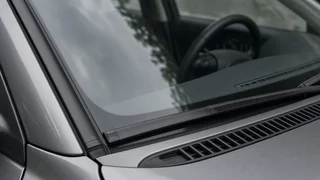
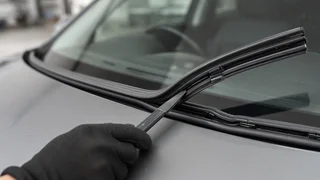
Toyota Pickup windshield molding is the trim or gasket-like piece that runs along the perimeter of the windshield. Depending on the generation and glass fitment style, it may be a flexible rubber or plastic reveal molding that snaps into a channel, or it may be part of a larger weatherstrip securing the glass to the opening. Its job includes covering the gap between the windshield and body while directing water away from the bonded edge. Even when the windshield itself is held by urethane adhesive, the outer strip protects that bond from direct sun, debris, and repeated wiper contact.
Because vehicle specification changed across years and trim levels, one style of replacement strip does not fit every Toyota Pickup. Some windshields use a locking strip around the glass edge; others rely on separate side and top moldings with metal or plastic cores. When the piece is cracked, loose, or missing, the concern is not only appearance. An open channel can collect moisture and dirt, which may accelerate corrosion near the pinch weld or weaken the area around the seal condition over time. Inspecting how the trim seats against the glass gives a clearer picture than simply looking for a visible crack.