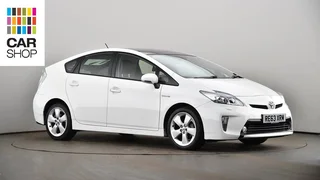
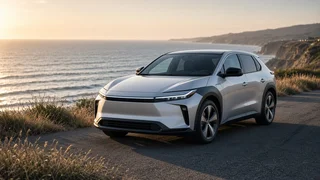
Toyota new-car shortage
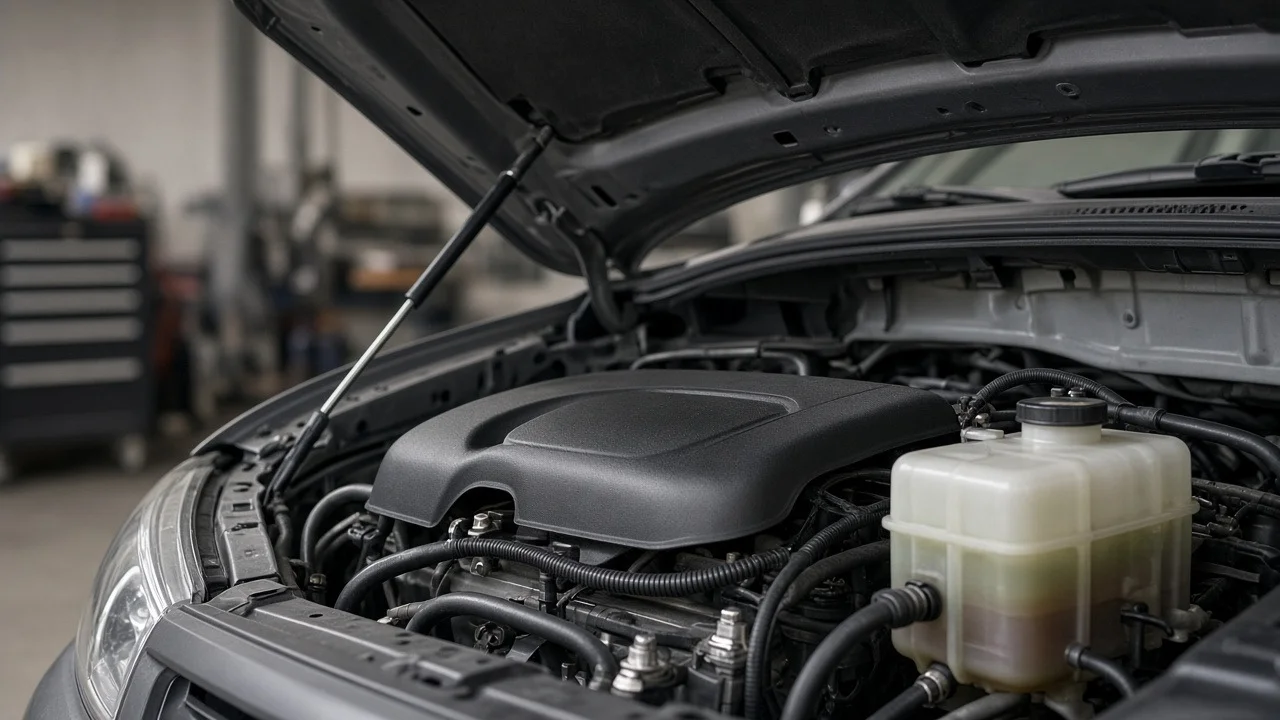
A Toyota new-car shortage changes the shopping timeline more than the vehicle itself. Buyers searching for this topic usually face limited dealer inventory, longer waits for certain model generations or trim levels, and build allocations that may not match the preferred body style, powertrain configuration, or market specification. Understanding the shortage means separating temporary delivery constraints from permanent changes in how a given model year is distributed. The practical concern is not whether Toyota still builds cars, but how allocation, pipeline timing, and local demand affect availability for a specific buyer.
Essential answer
A Toyota new-car shortage generally means that retail deliveries are constrained relative to buyer demand. The constraint can appear as fewer units on dealer lots, a longer wait between deposit and delivery, or limited choice among trim levels and powertrain configurations. It does not necessarily mean Toyota has stopped production of a model. Shortages can be regional, model-specific, or tied to a particular model year changeover, so a buyer in one market may see empty allocation sheets while another dealer still has arriving stock.
The condition differs from a permanent discontinuation because the vehicles are still being built and distributed, but the pipeline cannot match immediate purchase expectations. For shoppers, this shifts the decision from selecting an in-stock vehicle to reserving an inbound unit or accepting a different body style, color, or option set. It also means that comparing dealers requires checking actual arrival windows and allocation status rather than relying on online inventory that may already be sold or reserved.