Toyota Highrider
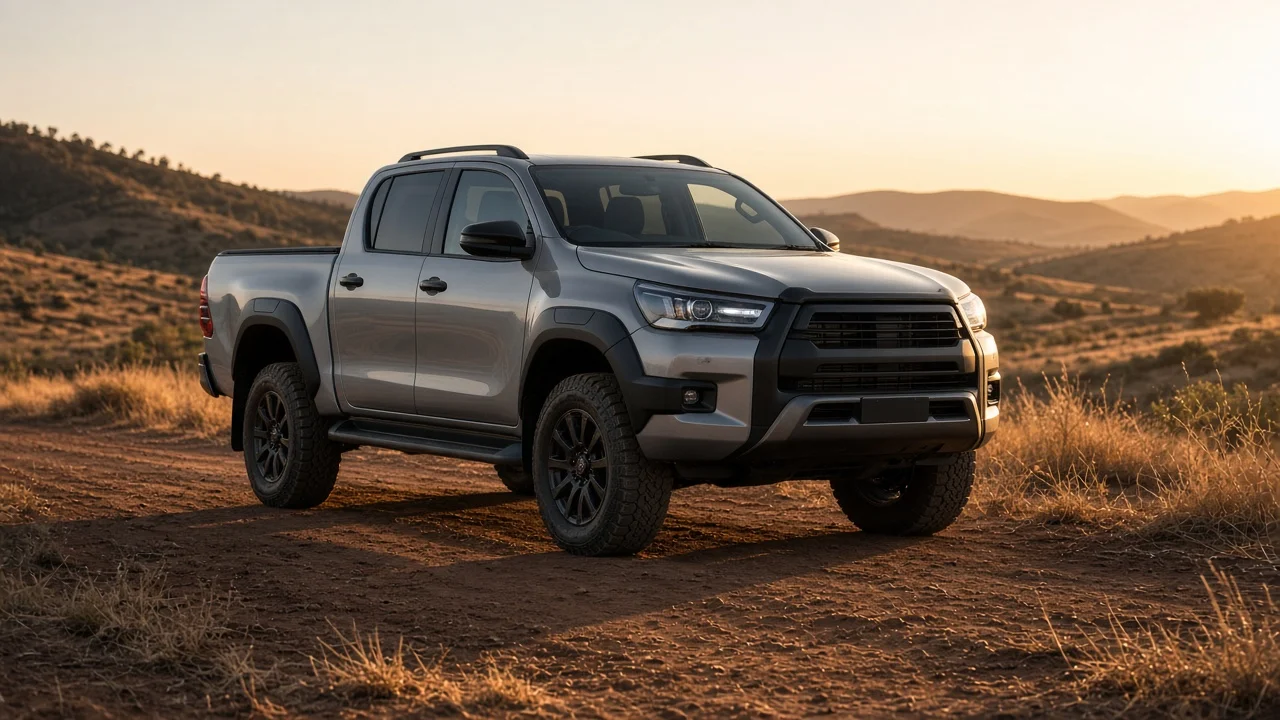
“Toyota Highrider” leads many used-vehicle searches to a naming puzzle rather than a single factory model. In the United States, the phrase usually points toward the Toyota 4Runner or the closely related Hilux-based pickups and SUVs sold in other markets, where trim names and market specifications change by model generation. A highrider label can describe a raised suspension package, a regional trim level, or a body style built on a rugged ladder-frame platform. Understanding the term requires checking the market specification, model year, and powertrain configuration instead of assuming one universal Toyota nameplate.
Essential answer
The essential answer is that “Toyota Highrider” is not a standalone model in the US Toyota lineup. The term typically appears as a descriptive name or regional trim identifier connected to the Hilux and 4Runner family. In some overseas markets, it refers to a two-wheel-drive pickup or SUV with the ride height and appearance of a four-wheel-drive version. Because body style and trim level vary by market specification, the same visual cues can mean different equipment depending on where the vehicle was originally sold.
A buyer researching a highrider car should treat the phrase as a clue about stance and configuration, not a formal US model name. In North America, a raised Toyota truck or SUV is more likely a 4Runner, Tacoma, or older Hilux-derived vehicle with a suspension package or aftermarket lift. Checking the model generation, badges, and original market specification helps separate a regional trim from a modified vehicle. Without confirmed factory documentation, exact equipment and ride-height changes should be verified on the specific vehicle rather than assumed from the name alone.