Toyota FT-1 sports car
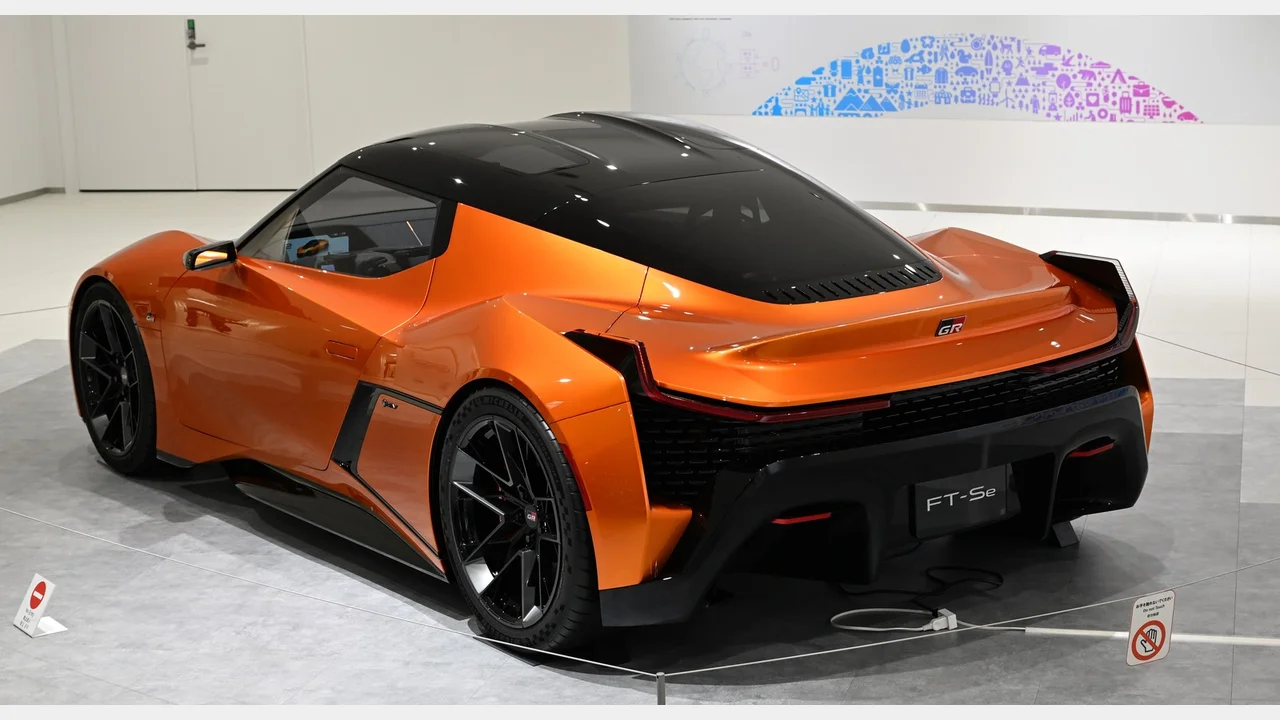
The Toyota FT-1 represents a bold answer to a common enthusiast question: what can a dedicated Toyota sports car ft1 look like when freed from ordinary production constraints? Rather than a simple trim package, it is a design study that explores a low, wide body configuration and a front-engine, rear-drive powertrain layout. Understanding this vehicle requires separating concept-car spectacle from the performance principles that would inform any production model. Its aggressive proportions and driver-focused seating layout signal a clear market segment intent, but the show car remains an idea rather than a purchasable vehicle.
Essential answer
The Toyota FT-1 is a concept sports car created to explore the next generation of Toyota performance design, not a vehicle a customer can buy at a dealership. Its name stands for Future Toyota, and its shape previews the visual language later associated with the modern Supra coupe. The car uses a classic front-engine, rear-wheel-drive vehicle class, which places the mass of the engine over the front axle and sends power to the rear tires. This powertrain layout is favored in performance coupes because it separates steering forces from driven-wheel traction during hard acceleration.
The FT-1’s body configuration is a fixed-roof two-door coupe with a two-seat seating layout. Wide rear haunches, a cab-rearward profile, and a large rear wing are all functional surface language meant to manage airflow and suggest high-speed stability, even though the concept may not have been subjected to production-level aerodynamic testing. In the market segment of premium sports cars, such a model generation could compete against established rear-drive coupes, but the FT-1 remains a design statement. Any production successor would need to meet crash, emissions, and cost targets the concept ignores.