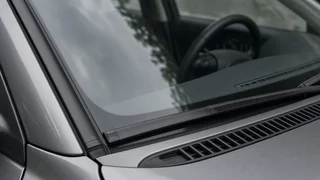
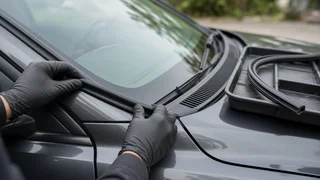
Toyota FJ Cruiser upper windshield molding replacement

A loose, cracked, or lifted strip along the top edge of an FJ Cruiser windshield is often called the upper windshield molding or reveal molding. This trim piece bridges the gap between the glass and the roof panel, and it influences both water management and wind noise. Because the FJ Cruiser uses a nearly upright windshield with exposed molding edges, degradation can be more visible than on raked passenger-car glass. Understanding how this molding is secured helps owners separate a simple trim issue from a condition that may invite water ingress or further glass fitment problems.
Essential answer
Replacing the Toyota FJ Cruiser upper windshield molding usually involves removing the aged strip and installing a new one that matches the contour of the roof and glass channel. The molding is a trim component rather than the primary windshield sealant, but its condition still matters. When it cracks, shrinks, or separates, debris can collect beneath the edge and accelerate corrosion near the pinch weld. The top windshield molding should be inspected whenever the rubber appears hard, curled, or no longer sits flush against the glass.
Windshield molding clips often control how the top reveal molding stays anchored. If the clips are brittle or misaligned, a new strip may pop up even when the old molding was the visible problem. For the FJ Cruiser, the upper molding fits along the header and must follow the curve of the glass without bridging gaps. A proper replacement restores a clean transition that helps direct water toward the roof rails while keeping wiper contact and the driver's line of sight clear.