Toyota EGR Valve Location, Symptoms, and Replacement
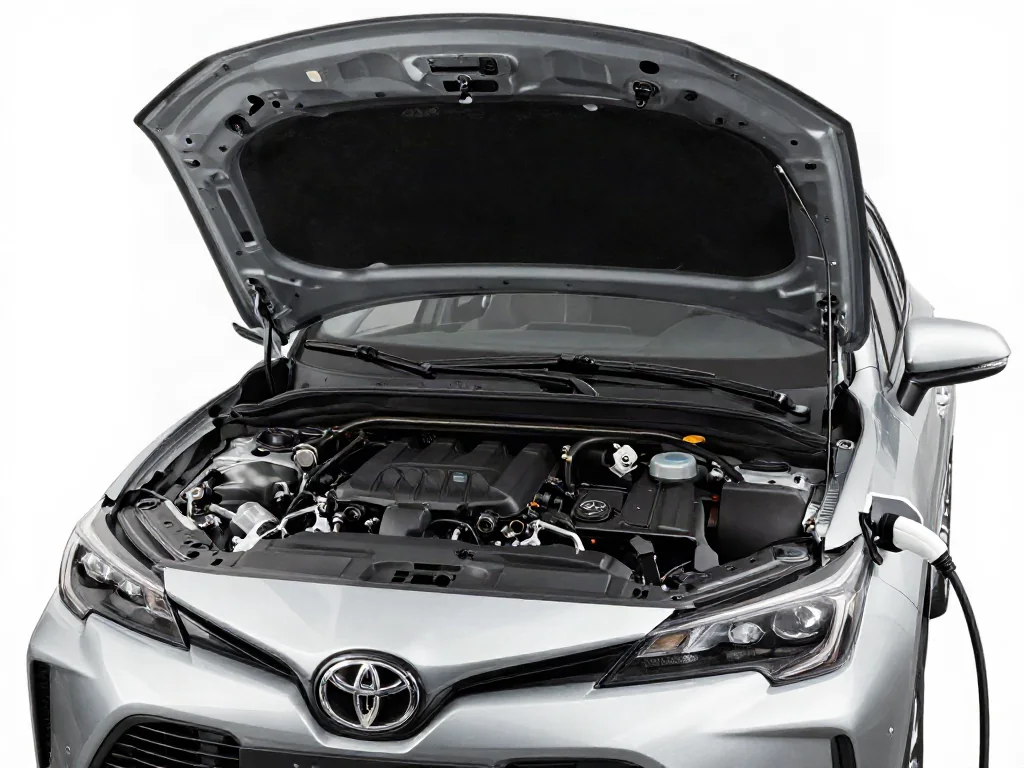
Toyota EGR valve location and equipment vary by engine family, model year, and emissions configuration. Exhaust gas recirculation on many Toyotas, including some Tacoma trucks, helps manage combustion temperature and nitrogen oxide output. Before searching for a Toyota Tacoma EGR valve or ordering a replacement, confirm that your vehicle uses a separate serviceable valve and collect the details needed for an accurate lookup.
Confirm Whether Your Toyota Has an EGR Valve
Exhaust gas recirculation returns a measured amount of spent exhaust into the intake charge so peak combustion temperatures stay lower and nitrogen oxide formation is reduced. On a Toyota, that function may be handled by a distinct EGR valve, by integrated engine hardware, or by a calibration that does not use a separate owner-serviceable valve at all. Model year, engine identification, and the emissions configuration determine which layout is installed, so the presence of an EGR valve on one Toyota does not prove the same hardware on another.
Accurate lookup starts with the vehicle itself: model year, engine identification from the underhood markings or service records, and the VIN. Vehicle-specific service information lists the emissions equipment actually fitted, which is the reliable way to confirm whether a Toyota EGR valve is fitted rather than assuming one is there. The underhood emissions label, where it remains readable and complete, can also indicate installed systems. Use those sources together before treating any catalog listing as proof that your engine has a separate valve.
Locate the EGR Valve Using the Correct Engine Layout
Toyota EGR valve location only matters after you have confirmed that a valve is fitted. A matching service diagram for that engine shows the valve in relation to exhaust routing and the intake manifold, which is more reliable than a generic photo of another Toyota. The diagram also identifies nearby passages and control hardware so you are not following an EGR connection that belongs to a different layout. If the applicable information shows no separate valve, stop the search rather than forcing a location onto the engine.
When a valve is present, it often sits on an exhaust-to-intake path and may include an electrical connector, a vacuum control connection, or both, depending on the control method used for that engine. Those features are identifying clues, not a universal appearance, so they should be checked against the diagram rather than assumed. Limit any owner inspection to visible components with the engine off and fully cool. If heat shields, intake plumbing, or the intake manifold block a clear view, leave further access to a technician rather than working around hot exhaust parts.
Check Tacoma EGR Equipment by Year and Engine
A listing for an EGR valve on a Toyota Tacoma is only useful if it matches the truck in front of you. Tacoma EGR equipment follows the exact model year, engine, and emissions configuration, and those combinations are not interchangeable across the lineup. Check the applicable equipment listing in vehicle-specific service information before naming a Toyota Tacoma EGR valve location or selecting a replacement part. Until that listing confirms a separate valve, treat any published location as belonging to another configuration.
An online catalog entry for a Toyota Tacoma EGR valve does not establish that your truck uses that component. Parts sites often group applications broadly, and a popular search term can surface a valve for a different year, engine, or emissions package. Owners whose diagrams show no separate valve should confirm the installed system with vehicle-specific service information before purchasing anything. That step prevents buying hardware the engine never used and keeps attention on the EGR passages or control strategy that actually apply.
Recognize Symptoms Without Assuming the Valve Has Failed
Possible symptoms of an EGR problem include rough idle, stalling, hesitation under load, or an illuminated check engine light, but none of those uniquely identifies a Toyota EGR valve fault. Restricted EGR passages, a control fault, wiring trouble, or a valve that is not responding can all disturb EGR flow and combustion quality. Similar drivability complaints also come from ignition, fuel delivery, vacuum leaks, and other emissions hardware. Treat the symptoms as a reason to diagnose the system, not as proof that the valve itself has failed.
Record when the complaint appears—cold start, idle, cruise, or acceleration—and preserve diagnostic codes plus freeze-frame data before clearing anything. A stored code is evidence to interpret, not proof a part has failed, and manufacturer-dependent codes need vehicle-specific confirmation of meaning and test steps. Verify the procedure for that Toyota before replacing hardware based on a scan-tool reading. Severe running problems, repeated stalling, or a flashing check engine light warrant stopping safely and seeking professional help rather than continuing to drive.
Establish the Fault Before Cleaning or Replacement
An EGR flow-related fault does not by itself prove the valve needs replacement. Restricted passages, a stuck pintle, a control-circuit problem, or incorrect command from the engine computer can produce the same stored result. Professional diagnosis typically compares commanded EGR activity with actual response, reviews relevant sensor data, checks control circuits, and inspects passage condition where access allows. That process separates a failed valve from a blockage or electrical issue so parts are not replaced on assumption.
Cleaning is only a candidate when the component design allows it and the confirmed fault points to deposits rather than electrical or mechanical failure, and even then cleaning may not restore proper EGR flow. Visual inspection has limits: carbon on a housing does not prove internal sticking, and a valve that looks clean can still fail to respond. Do not apply power to the valve as a bench test, disconnect hot exhaust components, or bypass emissions controls. Those steps can injure you or leave the engine out of compliance without confirming the fault.
Plan a Confirmed EGR Valve Replacement
Once diagnosis confirms that the valve is at fault, match the replacement to the verified vehicle configuration and the applicable part information for that engine and emissions package. A generic Toyota EGR valve listing is not enough if the connector, mounting, or flow characteristics differ. Estimate factors include diagnostic time already spent, access around the intake manifold or exhaust routing, any related EGR passage work, and seals or hardware that must be renewed with the valve. Precise prices vary by shop and vehicle, so treat those items as the cost drivers rather than a fixed quote.
Replacement itself follows vehicle-specific procedures, including torque, gasket placement, and any required post-installation checks or relearn steps the control system needs after the new valve is installed. The technician confirms a successful repair by checking operation under command, inspecting for exhaust or intake leaks at the joints, and repeating the diagnostic verification that originally identified the fault. Clearing codes alone is insufficient, because a monitor that has not run can hide an unresolved EGR flow problem. Drive-cycle or test-mode confirmation, as specified for that Toyota, is what shows the system is working.