Toyota Echo Hood Release Cable Broken
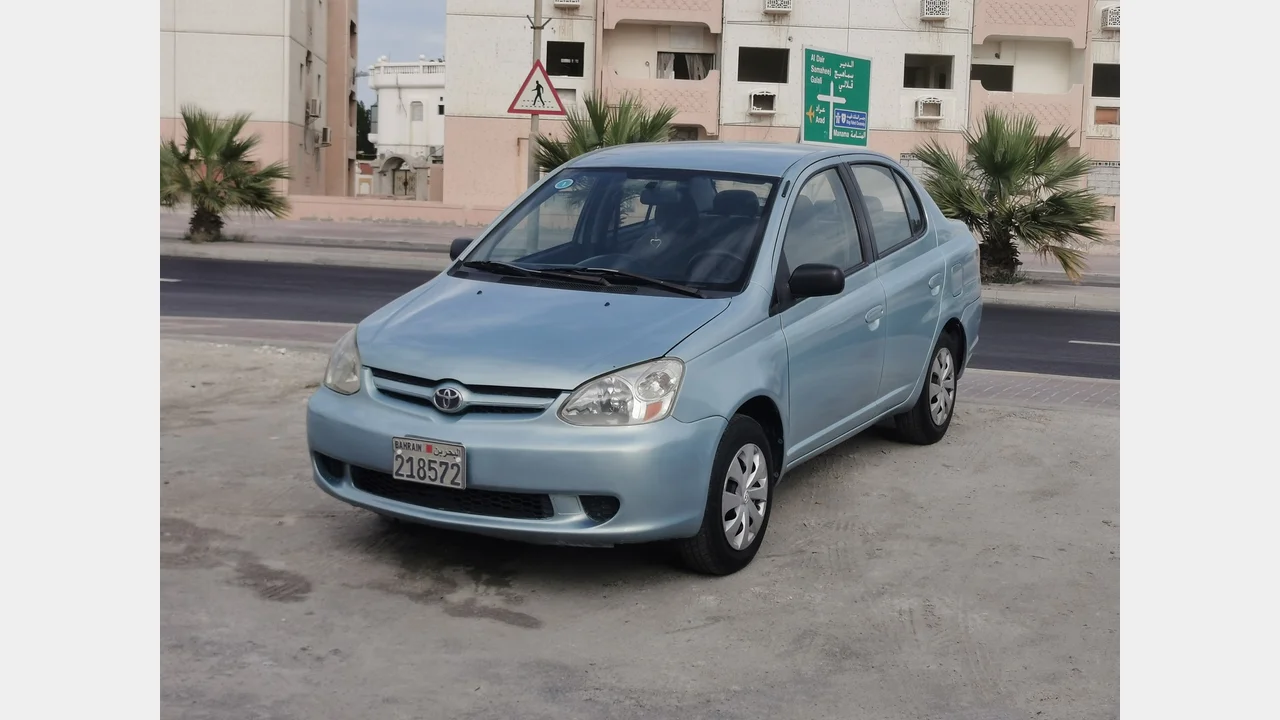
When the hood release cable breaks on a Toyota Echo, access to the engine bay suddenly depends on the secondary latch and an emergency workaround rather than the normal cabin lever. This compact model uses a mechanical pull cable routed from the interior release handle to the hood latch assembly. Over time, corrosion, stretching, or a snapped inner wire can leave the lever feeling loose or completely disconnected. The failure matters differently across model years, trim levels, and body styles because cable routing lengths, grommets, and latch designs changed slightly, but the core diagnosis follows the same logic for every Echo.
Essential answer
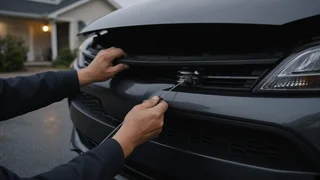
A broken Toyota Echo hood release cable means the inner steel wire has likely separated from the release lever or the latch, or the outer sheath has pulled free from its mounting point. The direct result is that pulling the interior handle no longer pops the hood. This is an access failure, not necessarily a latch failure, so the hood usually remains safely closed. The owner still has options, including operating the latch through the grille or from beneath the front edge after carefully releasing the secondary catch.
The scope of the problem depends on where the cable parted. If the handle end snapped, a short section of wire may be visible near the kick panel. If the latch end failed, the cable may move freely with little resistance. Some Echo trims use a one-piece cable from lever to latch, while others route through a junction. Confirming the market specification and model generation helps identify the replacement length and attachment style before ordering parts, since routing clips differ among early and late production versions.