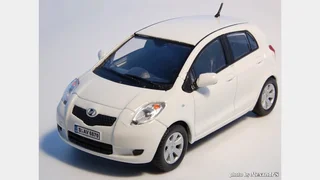
Toyota coupe cars
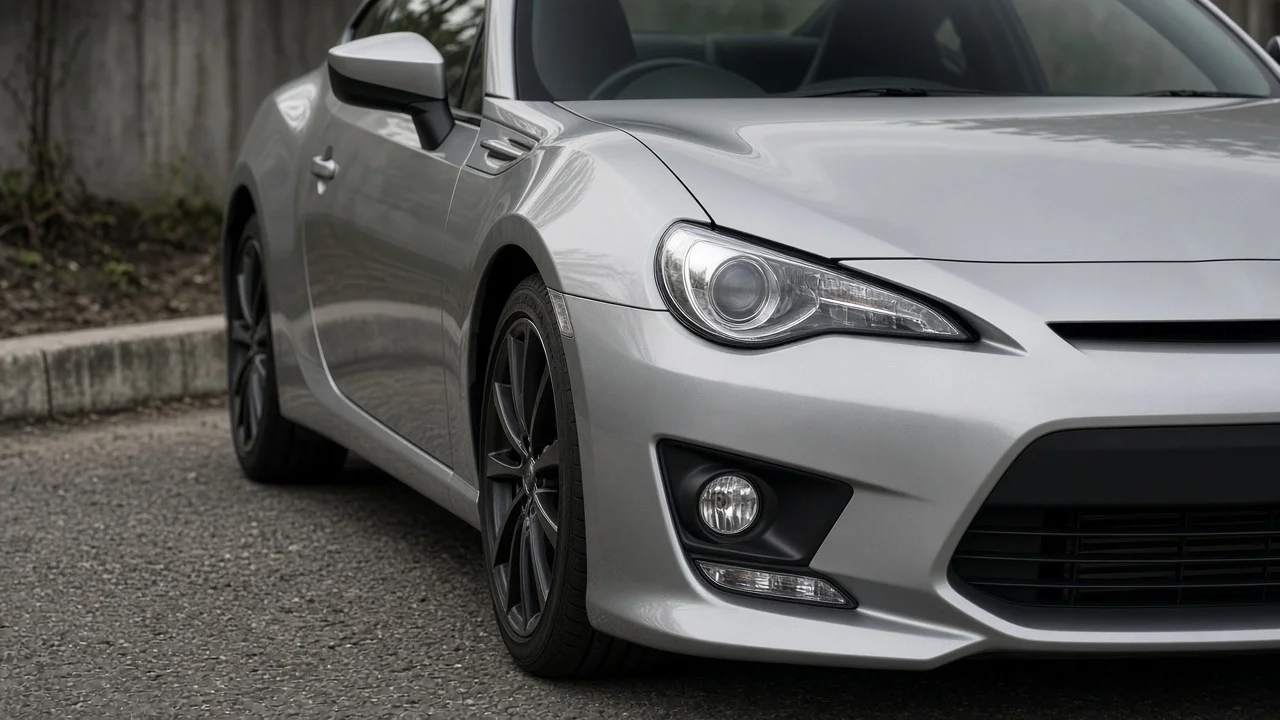
Shopping for a coupe car Toyota can quickly become confusing because the term has shifted over decades. Some buyers picture a lightweight two-door sports car, while others want a stylish commuter with a sloping roofline. Toyota has used the coupe label across several generations, from dedicated rear-drive platforms to two-door versions of familiar sedans. Understanding the body configuration, seating layout, and powertrain placement helps identify what a specific model actually offers. This overview explains the practical meaning behind the classification and what to examine when evaluating these vehicles.
Essential answer
A Toyota coupe is generally understood as a two-door car with a fixed roof and a trunk separated from the passenger cabin. The body configuration emphasizes a lower, sleeker profile than a comparable sedan, even when the mechanical foundation is shared. In Toyota's history, the coupe label has appeared on vehicles with both front-engine rear-wheel drive and front-engine front-wheel drive layouts. That means the term does not automatically guarantee a particular driving feel; instead, it points to the two-door silhouette and seating arrangement first.
The vehicle class can range from compact and affordable to premium grand tourers, so checking the specific model generation matters. A front-drive coupe often shares its platform with a sedan or hatchback, which influences cabin space and handling balance. A rear-drive coupe typically offers different weight distribution and steering characteristics. Because Toyota has built both types, buyers should compare the powertrain layout and market segment rather than assuming all coupe models behave alike.