Toyota Corolla PCV Valve Location and Replacement
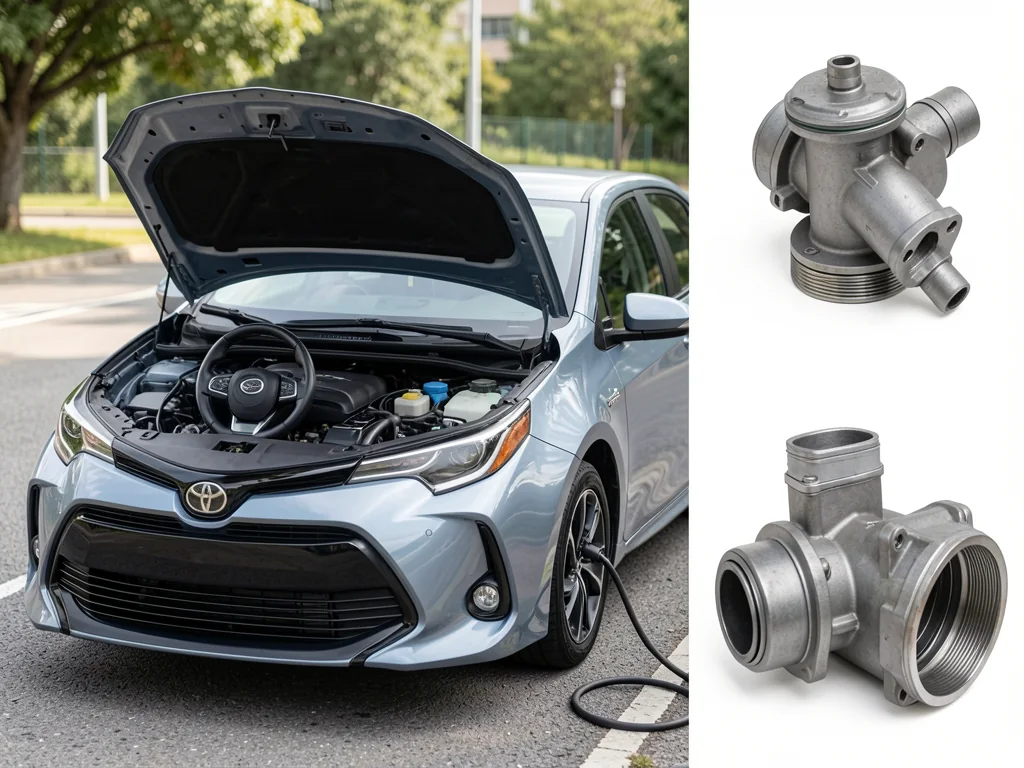
A malfunctioning PCV valve on your Toyota Corolla can cause rough idle, oil leaks, and increased oil consumption. Finding the valve on your specific engine is the first step, because location varies between Corolla generations and engines. The positive crankcase ventilation system routes blow-by gases from the crankcase into the intake manifold, where they are burned. Replacing the PCV valve is often straightforward, but you must confirm the exact part and follow engine-specific procedures to avoid damaging hoses or fittings.
Identify Your Corolla’s Engine Before Locating the PCV Valve
The PCV valve's role is central to controlling crankcase pressure. During combustion, a small amount of gas leaks past the piston rings into the crankcase. Without ventilation, this pressure would force oil past seals and gaskets. The PCV valve meters these gases into the intake manifold, where intake vacuum draws them into the cylinders. This system must be matched to the engine's airflow and vacuum characteristics, which is why the correct valve matters.
A Corolla badge or model year alone does not guarantee a specific valve location or part number. Toyota has offered different engines in the Corolla depending on market, trim, and model year. For example, the same model year could have a 1.8-liter or a 2.0-liter engine in some regions, each with different PCV routing. Engine identification is necessary before purchasing parts or attempting removal. Always verify the engine code from the underhood label or owner's documentation.
Confirm the PCV Valve Location on a 2009 Corolla
For a 2009 Corolla, the PCV valve location is often on the valve cover, but this cannot be assumed without confirming the installed engine. The 1.8-liter 2ZR-FE engine typically positions the valve on the top of the valve cover, with a hose leading to the intake manifold. However, other engine options in different markets may place the valve elsewhere. A factory service diagram matched to your engine code will show the exact position, hose routing, and nearby landmarks such as the throttle body or ignition coils.
When visually tracing the ventilation system, do not confuse the PCV valve with other breather fittings. Some engines have a separate breather hose from the valve cover to the intake duct that does not contain a PCV valve. That fitting is simply a fresh air inlet for the crankcase. The PCV valve is typically in a rubber grommet in the valve cover and connects to intake manifold vacuum. If visibility is restricted or the hoses are buried, have a professional identify the valve safely.
Check Symptoms Before Deciding the Valve Needs Replacement
Rough idle, oil weeping around the valve cover, or an unexplained increase in oil consumption can justify inspecting the PCV system, but these symptoms do not prove the valve has failed. Other causes include vacuum leaks, worn piston rings, or a clogged breather. A PCV valve stuck open can create a lean condition and rough idle, while one stuck closed can pressurize the crankcase. Observing these issues should lead to diagnosis, not automatic replacement.
A common quick check is shaking the PCV valve to hear a rattle, but this only confirms that the internal plunger is free. A valve can rattle and still fail to meter flow correctly due to a weak spring or worn seat. It can also be silent because it is gummed with oil sludge yet still partially open. Safe visual inspection of accessible hoses for cracks, collapse, or oil saturation is useful, but definitive testing requires crankcase pressure or vacuum measurement by a professional.
Confirm the Correct Replacement Valve and Sealing Parts
To confirm the correct replacement valve, you need more than a visual match. Use the VIN and engine code to look up the exact part number in the Toyota electronic parts catalog or through a dealer. The correct valve must match the mounting design, hose nipple diameter, and specified sealing method. Some Corolla PCV valves thread into the valve cover, while others press into a rubber grommet. Ordering by appearance alone risks getting a valve with the wrong flow curve.
Do not assume an externally similar valve from another engine will work. PCV valves are calibrated to open at specific vacuum levels and flow rates for a given engine. Using an incorrect valve can cause idle instability or poor crankcase evacuation. Additionally, inspect the grommet and hoses while the valve is out. Hardened, cracked, or oil-swollen rubber should be replaced because reusing damaged sealing parts can cause vacuum leaks and oil seepage.
Understand the Corolla PCV Valve Replacement Process
The overall replacement process involves gaining safe access to the valve, removing the hose and old valve, installing the new valve and any new grommet or seal, and reconnecting the hose. Access varies by engine. On many Corollas, the valve is reachable from the top of the engine bay, but some models require removing an engine cover or air intake duct. Always consult engine-specific service information for torque values if the valve is threaded and for any specified sealant on the threads.
Use care when pulling hoses off old fittings. The rubber may have hardened from heat, and the plastic nipple on the valve cover can snap if twisted aggressively. If a hose is stuck, it is safer to slice it lengthwise and replace it than to yank and break an expensive intake component. Threaded valves can seize in aluminum valve covers, so avoid using excessive force without penetrating oil and the correct deep socket. If access demands partial engine disassembly or you cannot verify the procedure, professional service is the sensible option.
Check the Results and Follow Up on Persistent Symptoms
After installing the new valve, ensure the hose is fully seated and the clamp is positioned correctly. Then start the engine and listen for hissing or a change in idle quality. A loose PCV hose creates an intake vacuum leak that can cause a high or rough idle and possibly a check engine light for a lean condition. Recheck after a short drive to confirm nothing has shifted and no new oil residue appears around the valve or grommet.
If symptoms such as oil consumption, smoke, or rough idle continue after replacement, do not assume another PCV valve will fix the problem. The old valve may have been only one part of a larger issue, such as excessive blow-by from worn rings or a cracked vacuum line elsewhere. Monitoring over several hundred miles is reasonable, but persistent problems warrant further crankcase pressure testing or a professional diagnosis using the applicable repair manual data for your Corolla.