Toyota Celica as a first car
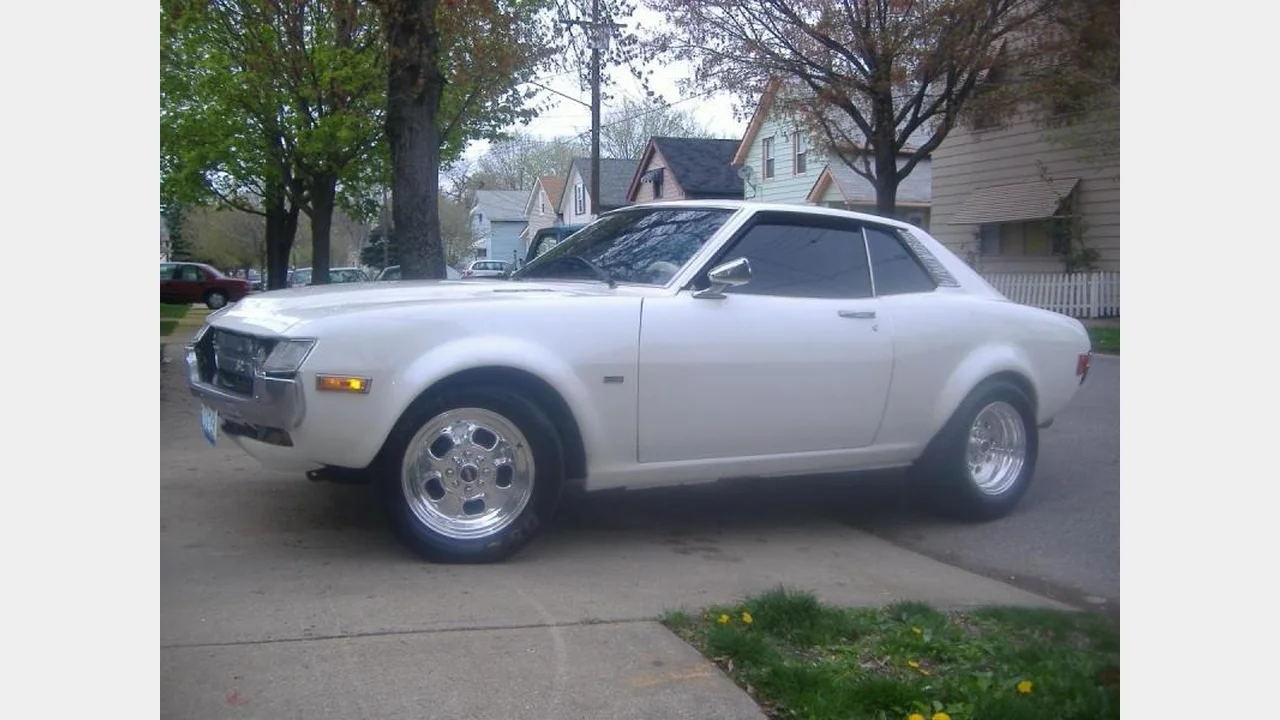
A Toyota Celica can be an appealing first car for a new driver who wants a compact coupe with straightforward mechanical bones and a distinctive personality. The nameplate spans several model generations and production periods, so a buyer is really evaluating a range of vehicles rather than one fixed design. Common threads include a front-engine powertrain layout, relatively light construction, and accessible controls, but condition, factory specification, and ownership history matter more than the badge. Understanding how the car evolved and what to inspect helps turn enthusiasm into a sensible first-car decision.
Essential answer
The Celica works best as a first car when the shopper values a nimble two-door coupe and accepts that age, previous repairs, and local availability will shape the experience. Because the model was sold across several design generations, no single description fits every example. A clean, unmodified car with a known maintenance history is generally better suited to daily learning than a heavily modified or neglected one.
For a first-time buyer, the Celica's appeal often comes from its low seating position, direct steering, and modest footprint, which can make parking and low-speed maneuvering feel manageable. However, coupe body styling reduces rear-seat space and outward visibility compared with many sedans. The essential answer is therefore qualified: a Celica can be a good first car if the specific example matches the driver's budget, climate, and willingness to handle the upkeep of an older vehicle.