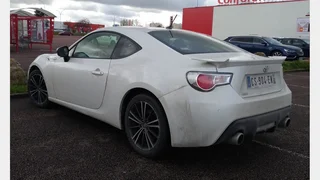
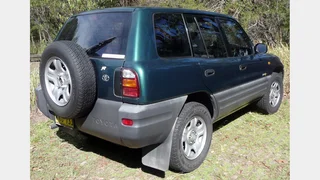
Toyota car prices in 2015
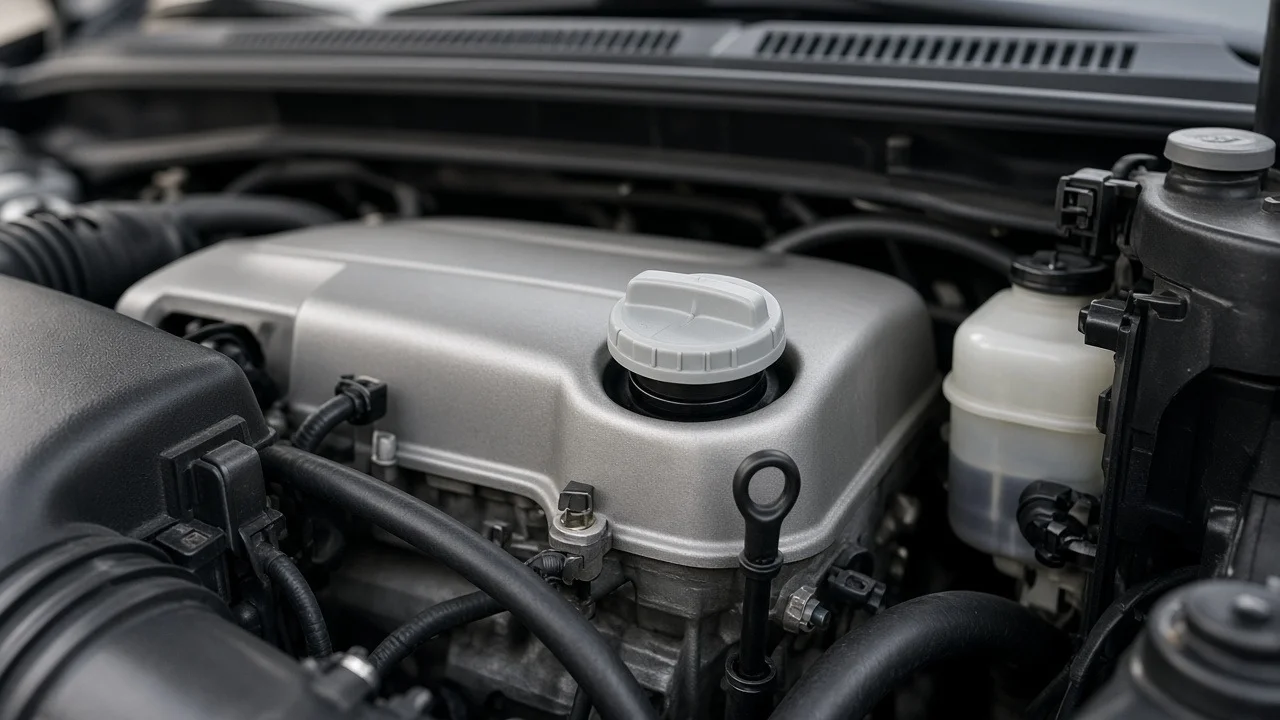
Shopping for a used Toyota means looking past the advertised figure to understand what actually shaped that number in 2015. A posted price reflected the model year, trim level, mechanical and cosmetic condition, and the regional market where the car was offered. Even identical-looking sedans, trucks, and hybrids could sit thousands of dollars apart once included charges and local demand were considered. Buyers researching Toyota car prices in 2015 should treat each listing as a starting point, not a final market valuation. The useful next step is comparing realistic comps before making an offer.
The direct answer
There is no single 2015 Toyota price. The number depended on which model and model year a buyer selected. A 2015 Corolla had a different market position than a 2015 Tacoma or Highlander, and an older Camry listed in 2015 was not priced like a current-year version. Condition changed the value further: a clean one-owner car with service records commanded more than a similar vehicle with accident history, worn tires, or past-due maintenance. Because no confirmed figures are supplied, treat any exact dollar claim from memory or an old advertisement as evidence to verify against the car's actual equipment and history.
Trim level was another major lever. A base LE sedan and a loaded XLE or Limited example could look alike from a distance but carry very different original equipment and resale value. Options such as navigation, a sunroof, leather seating, or an upgraded audio system raised the realistic ask in 2015, while missing factory features lowered it. Regional market conditions also mattered. A four-wheel-drive truck held stronger money in snowy or mountain states, and a fuel-efficient hybrid often drew more interest where gas prices were high. Buyers comparing prices needed to match trim, body style, mileage, and location rather than compare only the Toyota badge.
Included charges were easy to overlook. A low online price could grow after documentation fees, dealer preparation costs, or state taxes and registration were added. Those line items meant two cars advertised at similar amounts could leave the lot with different total costs. Vehicle condition affected that final value too. Signs of rust, repainted panels, interior wear, or fluid leaks reduced what a smart buyer should pay, even if the listing repeated a typical 2015 range. Without a confirmed source for exact prices, the practical answer is to inspect the specific vehicle and use it to build a defensible offer, not rely on a generalized model-year number.