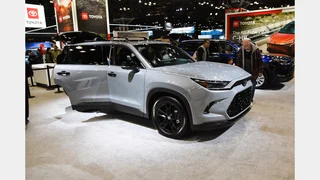
Toyota car price increases
A Toyota car price increase can change a purchase plan quickly, especially when the window sticker or online quote differs from what a buyer expected. Higher transaction prices often reflect a combination of model year updates, trim level changes, regional market demand, vehicle condition on used lots, added included charges, and shifting market valuation. For someone comparing Corollas, Camrys, RAV4s, or Tacomas, the practical question is less about a single national number and more about which portion of the quoted increase is negotiable, which portion reflects added equipment, and which portion comes from local supply pressure. Reading a quote line by line usually reveals more than a headline price movement does.
The direct answer
A Toyota price increase is not one uniform event. It may appear as a higher MSRP on a new model year, a mid-year adjustment on a popular trim level, or a rise in the out-the-door figure caused by destination fees, dealer-installed accessories, or regional inventory shortages. Because Toyota pricing varies by market, a reported increase in one state does not automatically apply to the same build in another. The direct answer is to treat every quoted increase as a starting point and compare the itemized selling price, not just the monthly payment or the listed online price.
On a used vehicle, the same wording can describe a different mechanism. A dealer may raise the asking price after reconditioning, after observing strong local demand for a specific model year and trim level, or after adjusting the advertised price to match current market valuation tools. In that case, the increase is often a retail pricing decision rather than a factory change. Buyers should ask whether the vehicle condition, included charges, or added accessories justify the new figure, and whether a lower-mileage or differently equipped example in the same regional market offers a more stable comparison.