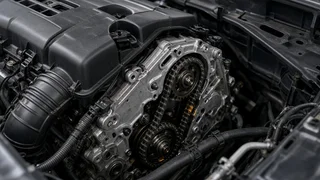
Toyota 2ZR Timing Chain
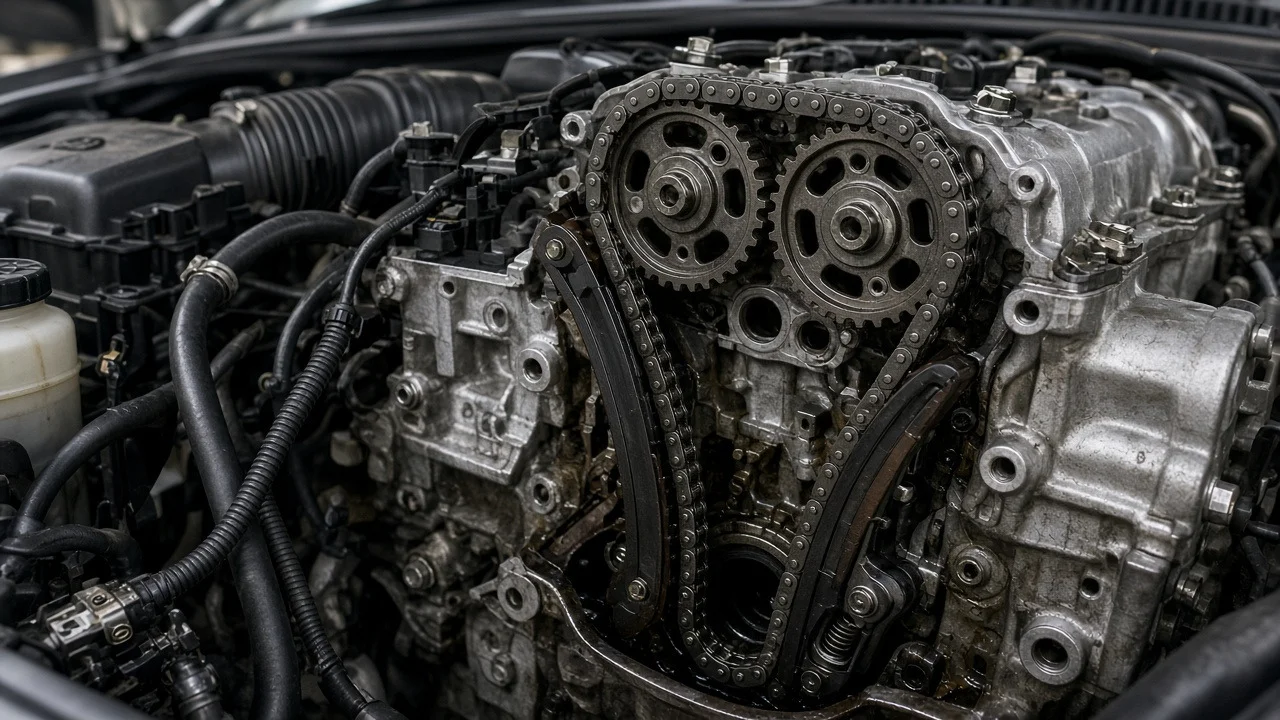
A timing chain question on a Toyota 2ZR engine usually starts with an unusual noise, a diagnostic code, or simply a search for whether this engine uses a belt or a chain. The 2ZR is a modern inline-four engine configuration found in several compact Toyota models, and it uses a metal timing chain rather than a rubber belt. Understanding how that chain operates, what symptoms indicate wear, and how service history affects diagnosis helps separate normal operation from a real concern. The information here explains the essential answer and the practical reasoning behind it.
Essential answer
The 2ZR engine family uses a timing chain, not a timing belt. This chain synchronizes the crankshaft and camshafts so the intake and exhaust valves open at the correct point in each cylinder’s cycle. Because the chain is metal and runs inside the engine, it is designed for long service life and typically does not appear on a fixed replacement schedule the way many rubber belts do. The engine configuration places the chain under a front cover, where it receives lubrication from engine oil. That design is a key reason the 2ZR is generally considered low-maintenance in this area.
A timing chain can still develop problems, but the presence of a diagnostic code or a single symptom does not prove the chain has failed. Stretched chains, worn guides, failed tensioners, or low oil pressure can produce similar noises or timing-related fault codes. Manufacturer-dependent codes require vehicle-specific confirmation before any component is condemned. Inspection of the chain, guide, tensioner, and sprocket alignment is usually needed to interpret the evidence correctly. The essential answer is therefore that the 2ZR uses a chain, while the specific condition of that chain depends on observable symptoms and inspection rather than assumption.