Towing With an Electric or Hybrid Car: Capacity, Range, and Safe Recovery
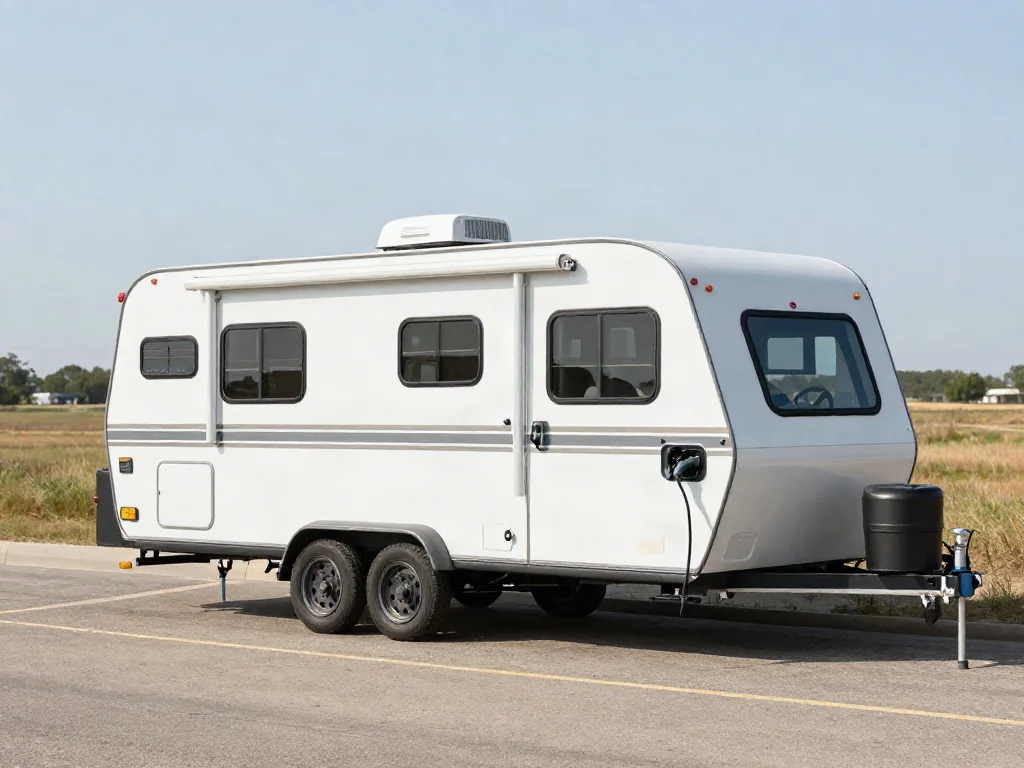
Choosing an electric or hybrid car for towing starts with the trailer you actually haul, not a badge or hitch. Hybrid car towing capacity and electric car towing capacity vary by model year, trim, and equipment, and towing with a hybrid car or towing with an electric car also changes range and charging access. Separate rules apply when towing an electric car itself, including when a flatbed is required.
Find an EV or Hybrid Approved for Your Trailer
The best hybrid car for towing is the one whose manufacturer documentation matches your loaded trailer, passengers, cargo, route, and charging needs. An electric car for towing, or any electric towing car, must be confirmed the same way: by the exact model year, trim, powertrain, and required towing package, not by a hybrid badge, hitch receiver, or electric motor torque. Owner's manuals and towing guides state whether that vehicle is approved and under what conditions.
Permission to tow exists only when the maker publishes an explicit tow rating for that configuration. If documentation is silent, lists the vehicle as not approved, or requires equipment you do not have, do not tow. An available hitch still does not grant permission. When an electric car with towing capacity is the goal, verify the rating after options are installed, then size the trailer to that limit rather than stretching a vehicle that was never certified for the load.
Check Tow Rating, Payload, and Loaded Trailer Weight
Hybrid car towing capacity and electric car towing capacity are not a single number. The trailer weight limit is one ceiling; the vehicle's own weight ratings, axle limits, and gross combined weight rating are others. All must be satisfied together. Loaded trailer weight is the actual mass of the trailer plus water, gear, and supplies, not the empty brochure figure. When that mass is uncertain, a public scale is the practical check before a trip.
Payload is the remaining capacity for people, cargo, hitch hardware, and trailer tongue weight after the vehicle is equipped. Occupants and camping gear consume that budget first, so tongue weight can push a rear axle or the vehicle over its limit even when the trailer is under the published tow rating. Hitch ratings and any required trailer brakes must also be met. Those limits work as a set; a strong hitch does not raise the vehicle's payload or combined rating.
Prepare an Electric or Hybrid Car for Towing
Approved electric car towing still depends on the equipment the maker specifies, which can include a particular hitch, wiring, and a trailer brake controller. Towing with a hybrid car or an electric vehicle may also require a dedicated towing mode that changes cooling, power delivery, or stability settings. Follow that guidance rather than assuming a sport or similar drive mode is enough. If the manual requires trailer brakes above a stated weight, regenerative braking does not substitute for them.
Before departure, confirm trailer lights, specified tire pressures, the coupling, and safety connections according to their instructions. Strong acceleration from an electric motor does not prove the combination can stop, stay stable, or remain within capacity. Allow more stopping space, keep speeds conservative, and treat dashboard warnings as a reason to stop and inspect. Trailer brakes remain part of the braking system when required; regen can help the tow vehicle, but it does not replace that hardware.
Plan for Towing Range Loss and Energy Use
Towing range shrinks because a trailer adds aerodynamic drag, rolling resistance, and mass that the powertrain must move through hills, wind, and temperature extremes. Climate control, speed, and headwinds raise energy use further. There is no single percentage that describes range loss for every trailer and route, so plan conservatively for that combination rather than borrowing a number from an unladen trip. Electric car towing on a hot, windy climb can consume far more energy than the same vehicle on a calm highway.
After the first stretch, read observed energy consumption and revise remaining towing range and charging stops while keeping a reserve. Do not wait until the estimate looks optimistic in still air. Hybrid and plug-in hybrid energy use also depends on operating mode and battery charge; electric-only range does not describe a full towing trip once the engine or a charge-sustaining strategy takes over. Treat displayed range as a starting point, then update it from real consumption on that trailer and route.
Choose Charging and Rest Stops That Accommodate a Trailer
Charging access while towing is a site problem as much as a connector problem. Confirm that a station is available, that the plug matches the vehicle, that there is approach room, and whether the trailer may remain attached. Some sites have tight stalls, curbs, or shared lanes that make a trailer combination unusable even when the charger itself works. Identify backup stops along the route so an occupied or out-of-service unit does not leave the combination stranded with a critically low charge.
If unhitching is required to reach a charger, do it only in a designated safe location and secure the trailer using the trailer manufacturer's procedure. Do not improvise on a shoulder or in a live traffic lane. Use rest stops to observe tires, lights, and connections before fatigue hides a developing problem. Persistent warnings, unusual handling, heat, or visible damage are reasons to stop and seek professional help rather than continuing toward the next planned charge.
When the Electric or Hybrid Car Itself Needs Towing
Towing an electric car, or towing a hybrid that cannot proceed under its own power, is recovery, not trailer hauling. Consult that vehicle's emergency towing instructions before any move. A flatbed is often specified for electric vehicles, but approved methods and any dolly requirements depend on the exact model. Neutral is not permission for wheels-down towing. Driven wheels rotating during an unapproved tow can damage drivetrain components. Transport mode is a service setting, not blanket permission for road towing.
Give the recovery operator the vehicle identity, drivetrain layout, displayed warnings, and whether the car can power on. Leave loading, attachment points, and any transport-mode activation to trained personnel following manufacturer instructions. After a collision, smoke, heat, or suspected battery damage, wait in a safe location and request emergency assistance rather than attempting high-voltage handling or improvised recovery. Flatbed recovery remains the default expectation until the specific instructions say otherwise for that disabled electric or hybrid vehicle.