Torque Converter Automatic vs CVT
Choosing between a torque converter automatic transmission and a CVT shapes how a vehicle accelerates, cruises, and responds to driver input. A conventional automatic uses a fluid coupling to transfer engine power through planetary gears and stepped ratios, while a continuously variable transmission adjusts drive ratios across a range instead of shifting between fixed gears. Both transmission types work well in daily driving, but they feel different under load, on hills, and during passing maneuvers. The right choice depends on driving style, expected responsiveness, vehicle application, and how the transmission has been maintained over time.
Direct answer
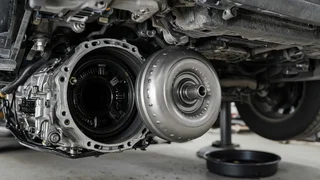
A torque converter automatic is generally the more familiar and predictable choice for drivers who want strong off-the-line response and conventional stepped shift behavior. Its fluid coupling multiplies torque during initial acceleration, which helps the vehicle feel confident from a stop. The planetary gear sets then provide distinct ratio changes that many drivers associate with normal automatic operation. This design tends to be well suited to towing, heavier vehicles, and situations where a direct mechanical feel under load is useful.
A CVT is typically the smoother and more efficiency-focused option. Instead of stepping between ratios, the system varies the drive ratio continuously, keeping the engine near its most effective operating range during steady acceleration. That can reduce the familiar shift sensation and improve fuel consumption in mixed driving. However, the lack of fixed shift points can feel less engaging, and under hard acceleration the engine may hold high rpm until vehicle speed catches up. Neither design is universally superior; the better choice depends on how the vehicle is used.