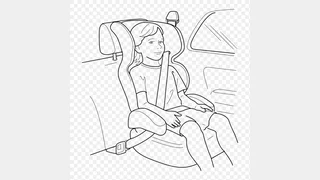
Toddler car seat requirements
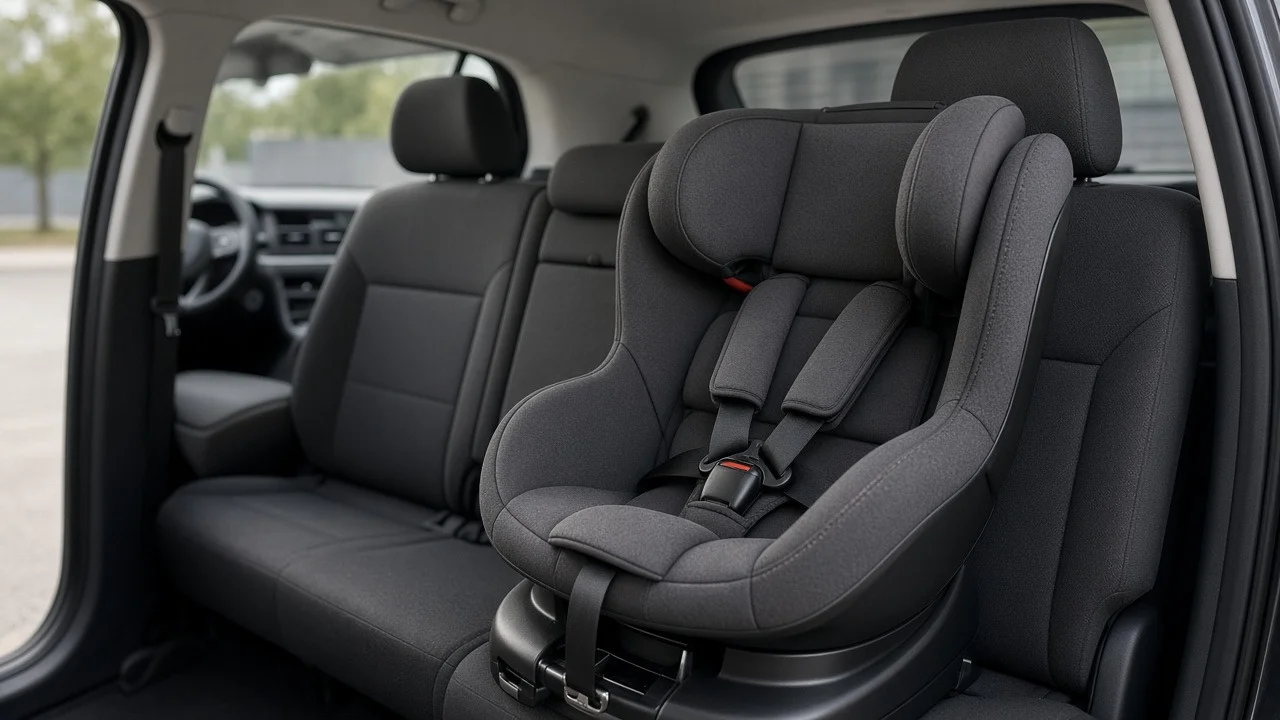
Selecting and using a toddler car seat involves more than choosing a model that fits the back seat. The essential requirement is a child restraint system matched to the child’s current weight, height, and developmental stage, installed according to both the seat maker and the vehicle manufacturer. For parents researching toddler car seat requirements, the practical goal is a secure harness fit and correct seat belt routing or lower anchor connection. A forward-facing seat with an internal harness and a top tether is a common next step after the rear-facing infant seat is outgrown, but the transition should follow the limits printed on the specific seat rather than age alone.
Essential answer
The core requirement is to use a child restraint that fits the toddler’s current measurements and has not yet been outgrown by height or weight. Toddlers typically move from a rear-facing convertible or infant carrier into a forward-facing seat with a five-point harness, but this change should occur only after the child exceeds the rear-facing limit stated by the seat manufacturer. The label on the shell and the instruction manual define those limits, which vary between models. Keeping the child rear-facing as long as allowed is generally considered safer because the seat shell supports the head, neck, and spine during a frontal impact, reducing relative movement that a young body cannot control.
A proper installation depends on using either the vehicle’s lower anchors or the seat belt, never both together unless the manufacturer explicitly permits it because that can change how crash forces are distributed. The lower anchor system, often called LATCH, has a weight limit that includes the child and the seat, so many families eventually switch to a seat belt installation with the top tether. The top tether is especially important for forward-facing seats because it limits the forward rotation of the child’s head. The harness should be routed through the correct reinforced slots, and the chest clip should sit at armpit level. The goal is a restraint that moves less than one inch when pulled at the belt path, with straps snug enough that no harness webbing can be pinched horizontally at the child’s shoulders. Manufacturer instructions remain the final authority because anchor locations, tether points, and allowable installation methods differ by vehicle and seat design.
Because no single code or regulation creates universal fitment, each vehicle and child restraint combination requires a check of both manuals. A caregiver should confirm that the selected seating position has the needed top tether anchor, that the seat base sits flatly on the vehicle cushion, and that the occupant’s shoulders are at or below the highest harness slot for forward-facing use. Toddler car seat requirements are therefore not a fixed list of features, but a set of conditions that must be true at the time of each ride: the child is within the seat’s stated range, the harness is positioned and tightened correctly, and the seat is secured by an approved method that fits that vehicle.
Consistency matters more than having the most expensive restraint. A seat that is correctly installed and properly adjusted provides protection that an incorrectly used premium seat cannot. When a toddler grows, the harness height, crotch buckle position, and recline angle may need adjustment even if the same seat remains technically usable. Requirements also include checking that the vehicle seat belt locks in the necessary way for the chosen installation path, because some belts require a locking clip or a switchable retractor. Ultimately, the essential answer is a child-specific harnessed restraint installed by the manual’s approved lower anchor or seat belt method with a top tether, used every trip until the child meets the stated limit for the next stage.